
Trail Running for Beginners

How to Start with Confidence
Trail running for beginners can feel both exciting and intimidating. Unlike road running, trails introduce uneven terrain, changing elevations, and natural obstacles—but they also offer quieter paths, beautiful scenery, and a deeper connection to the outdoors. The good news is that you don’t need elite fitness, expensive gear, or years of experience to get started. With the right mindset and a few practical tips, trail running can quickly become one of the most rewarding ways to move your body outside.
What Makes Trail Running Different?
Trail running simply means running on natural surfaces like dirt paths, forest trails, desert routes, or mountain singletrack. Compared to pavement, trails are softer underfoot and often easier on the joints, but they demand more attention and adaptability. Roots, rocks, sand, mud, and hills are all part of the experience.
One of the biggest differences beginners notice is that trails slow you down naturally. That’s not a flaw—it’s a feature. Trail running engages more muscles, challenges balance, and keeps your mind active as you navigate the terrain. Runners may find it more mentally refreshing than road running because you’re focused on where you are, not just how fast you’re moving.
For trail running for beginners, it’s helpful to think less about performance and more about exploration.
Start Slower Than You Think You Should
One of the most important principles of trail running for beginners is slowing down. Trails reward patience. Shorter strides, relaxed effort, and a willingness to adapt your pace to the terrain will help you stay upright, efficient, and injury-free.
Hills deserve special attention. Walking steep climbs is not only acceptable—it can be smart. Even experienced trail runners may hike uphill sections. On trails, steady effort matters far more than continuous running.
If you’re coming from road running, expect your average pace to drop. That doesn’t mean you’re losing fitness; it means you’re learning a new skill.
Choose Beginner-Friendly Trails
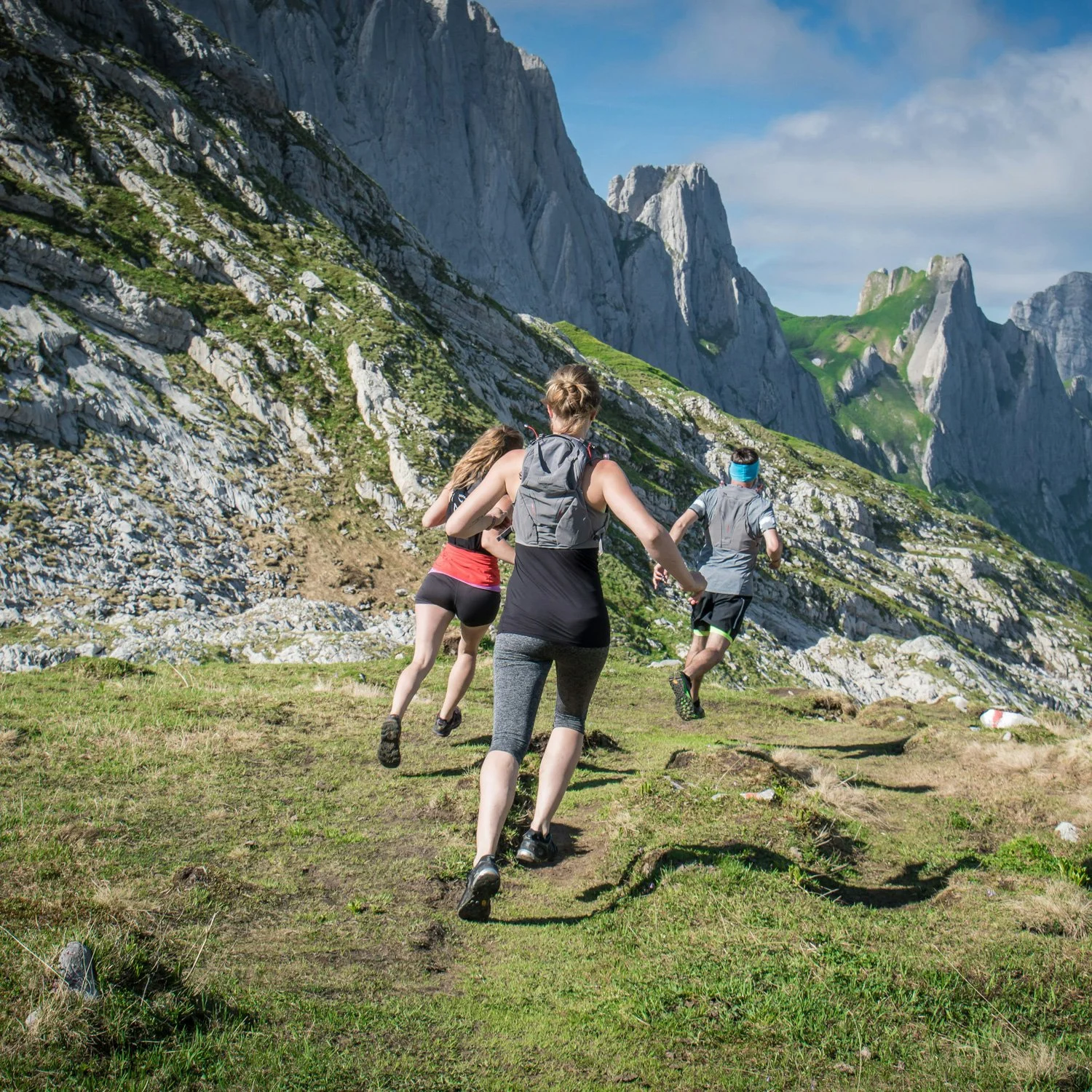
Not all trails are created equal, especially when you’re just starting out. For trail running beginners, look for routes that are well-marked, relatively smooth, and not overly steep. Park trails, wide dirt paths, and multi-use trails are great places to build confidence.
Trails with rolling hills are ideal early on—they introduce elevation change without being overwhelming. Extremely rocky or narrow trails can come later, once you’re comfortable with footing and pacing.
It’s also helpful to familiarize yourself with the route ahead of time. Knowing roughly how long the trail is, where it climbs, and where it flattens out removes a lot of uncertainty and makes your run feel more manageable.
Focus on Effort, Not Distance or Pace
One of the biggest mindset shifts in trail running for beginners is letting go of pace goals. Trail terrain changes constantly, which means your pace will too.
Instead, run by effort. Aim for a level where you can breathe steadily and recover quickly if needed. Many trail runners also plan runs by time instead of mileage, especially when starting out. A 30- or 45-minute trail run can feel very different from covering the same distance on the road—and that’s okay.
Some days you’ll run most of the trail. Other days you’ll mix running and hiking. Both count.
Wear the Right Shoes (But Keep It Simple)
You don’t need the most aggressive or technical shoes on the market, but footwear does matter. Trail running shoes typically offer better traction, a more secure fit, and a bit of protection from rocks and roots.
For beginners, comfort and confidence matter. A shoe that grips well and feels stable underfoot will make a noticeable difference, especially on uneven terrain. Road shoes can work on smooth dirt paths, but they often struggle once things get rocky or muddy.
Beyond shoes, keep gear minimal. Dress for the conditions, consider moisture-wicking fabrics, and bring layers if the weather might change.
Learn to Watch the Trail Ahead
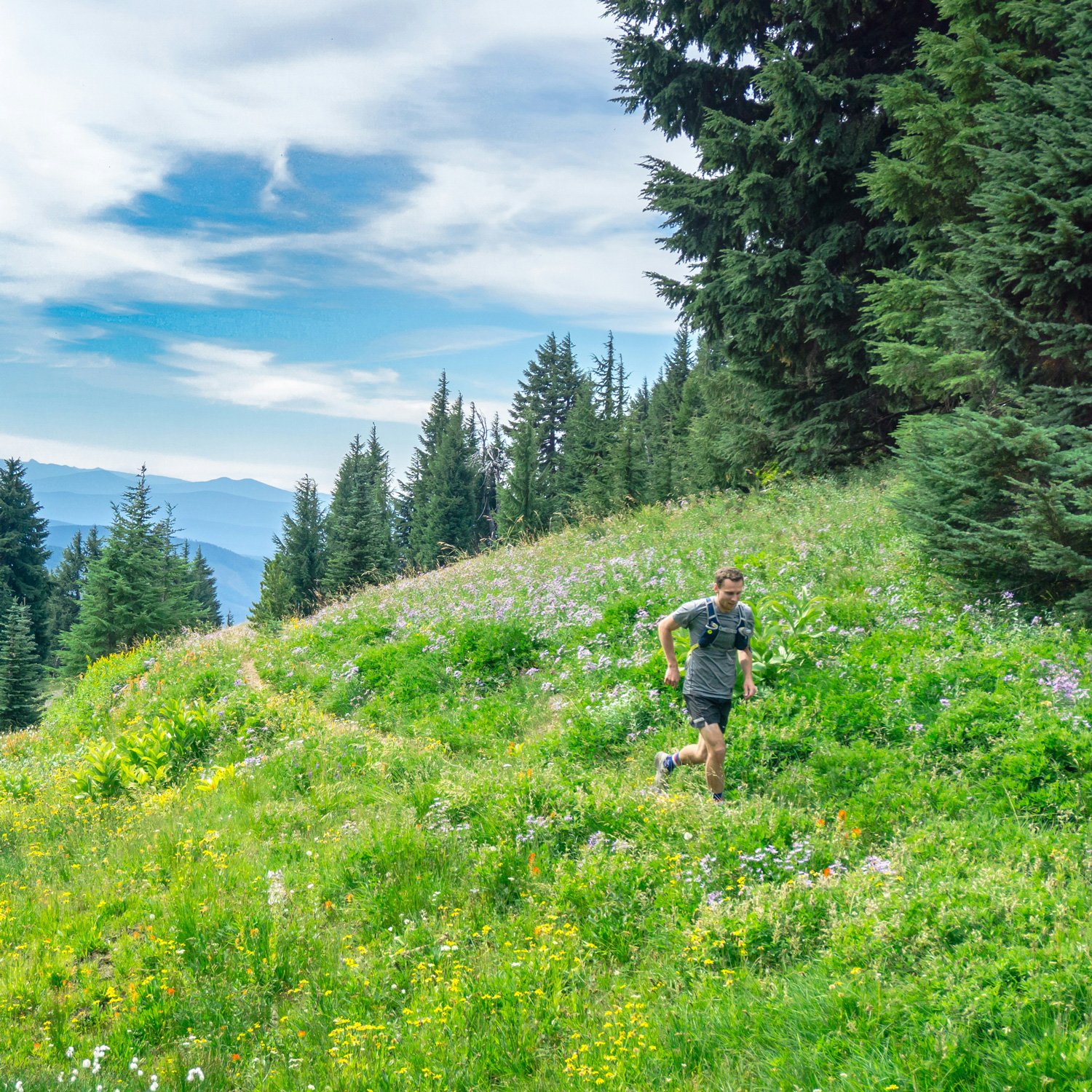
Trail running requires consistent visual awareness. Instead of zoning out, keep your eyes scanning a few steps in front of you while occasionally glancing farther down the trail.
This habit helps you anticipate obstacles, adjust your stride, and stay balanced. Shorter, quicker steps often work better than long strides, especially on technical sections. Over time, your foot placement and confidence will improve naturally.
Many beginners may be surprised by how mentally engaging trail running feels—and that focus is part of what makes it so enjoyable.
Fuel, Hydrate, and Stay Safe
Trail runs often take longer than expected, especially when you factor in elevation and terrain. Bringing water is a smart idea. Handheld bottles or small hydration packs are popular options.
Safety matters too, particularly when you’re new. Let someone know where you’re going, carry a phone, and start on familiar or well-traveled trails. Weather can change quickly on trails, so be prepared with an extra layer if needed.
Build Gradually and Listen to Your Body
Trail running uses muscles differently than road running, especially stabilizers in your ankles, hips, and core. It’s normal to feel soreness in new places at first. Keep early runs short, allow recovery days, and increase duration gradually.
Strength will come with consistency. There’s no rush. Trail running for beginners is about building durability and comfort over time, not pushing limits immediately.
Embrace the Mindset of Exploration
At its core, trail running for beginners is about curiosity and connection. Trails invite you to slow down just enough to notice the sound of your breath, the rhythm of your movement, and the environment around you.
Some days you’ll feel strong and fluid. Other days you’ll take more walk breaks or stop to take in the view. That flexibility is part of the appeal. Trail running isn’t about conquering the trail—it’s about moving through it.
Trail Running Safety for Beginners (or anyone really)
Trail running is safe, but it requires your awareness—of the terrain, the conditions, and your own limits. When you’re starting out, stick to familiar, well-marked trails and let someone know where you’re going and when you expect to return—especially if you’re running solo. Bring the basics like water and a phone, and be mindful of weather, trail conditions, and daylight, which can change quickly on the trail.
Pay close attention to footing, particularly on downhills where many injuries happen. Shorten your stride, slow your pace, and walk steep or technical sections when needed. Stay aware of other trail users and wildlife, and trust your instincts—if conditions feel off or fatigue sets in, turning back is always a smart choice.

A Simple 4-Week Trail Running Plan for Beginners
If you’re new to trail running, the goal of your first month isn’t speed or distance—it’s building comfort, confidence, and consistency. This four-week plan for trail running beginners focuses on time, effort, and learning the terrain.
Important note:
This plan assumes you’re comfortable being active and can jog short distances. If not, start with more walking and less jogging. Use walk–jog intervals and gradually work toward jogging on the trail 2–3 times per week.
-
Run 2–3 days per week
Prioritize effort and awareness, not speed
Walk hills freely
Rest days matter—take them seriously
Trails should feel challenging but manageable
-
Focus: Footing, awareness, and comfort
Runs: 2
Time: 20–30 minutes each
This week is about learning how trails feel under your feet.
Choose smooth, beginner-friendly trails with minimal elevation. Run at an easy effort where you can breathe comfortably and look around.
How to structure each run:
Begin with 5 minutes of easy walking
Jog easy sections of trail
Walk hills and technical areas
Alternate jogging and walking as needed
End feeling like you could do more
What to pay attention to:
Shorter strides and light steps
Looking 5–10 feet ahead on the trail
Relaxed arms and upright posture
Optional: Add a third day of trail walking or hiking to build familiarity without impact.
-
Focus: Flow and consistency
Runs: 2–3
Time: 25–35 minutes
You’ll start to find a natural rhythm this week.
Choose similar trails to Week 1, but allow yourself to run slightly longer sections if it feels natural. Don’t force it—let the terrain guide your effort.
Suggested structure:
5-minute walk warm-up
Jog easy stretches of trail
Walk steeper climbs
Practice steady effort on flat or rolling sections
Cool down with walking
Skill emphasis:
Staying relaxed over uneven ground
Letting pace change without frustration
Building trust in your footing
If running three days, make one run shorter and very easy.
-
Focus: Hills and endurance
Runs: 3
Time: 30–40 minutes
This week introduces more variety.
Choose trails with rolling elevation or one longer hill. Expect effort to fluctuate—this is where trail running starts to feel different from road running.
One run this week should include:
A sustained climb (walk if needed)
A longer continuous effort section
A relaxed descent where you stay controlled
Key reminders:
Walk steep climbs without guilt
Keep descents controlled, not rushed
Effort should feel “comfortably hard” at most
Recovery is critical here. If soreness lingers, shorten a run instead of pushing through.
-
Focus: Confidence and exploration
Runs: 3
Time: 35–45 minutes
You’re no longer just “trying” trail running—you’re practicing it.
Design one run this week as an exploration run:
A new trail
Slightly longer distance
More elevation or varied terrain
The other two runs should feel easier and familiar.
What to notice this week:
Improved balance and stability
Less hesitation on uneven terrain
Greater comfort with changing pace
If something feels off, scale back. Progress comes from consistency, not hero days.

Time to Get Out There
Trail running doesn’t require perfection. It rewards presence, patience, and a willingness to adapt. If you’re new, give yourself permission to go slow, take breaks, and learn as you go.
Trail running for beginners isn’t about mastering the terrain right away. It’s about stepping onto the trail, building confidence one run at a time, and discovering a new way to experience the outdoors—one stride at a time.