
All About Camping
Introduction to Camping
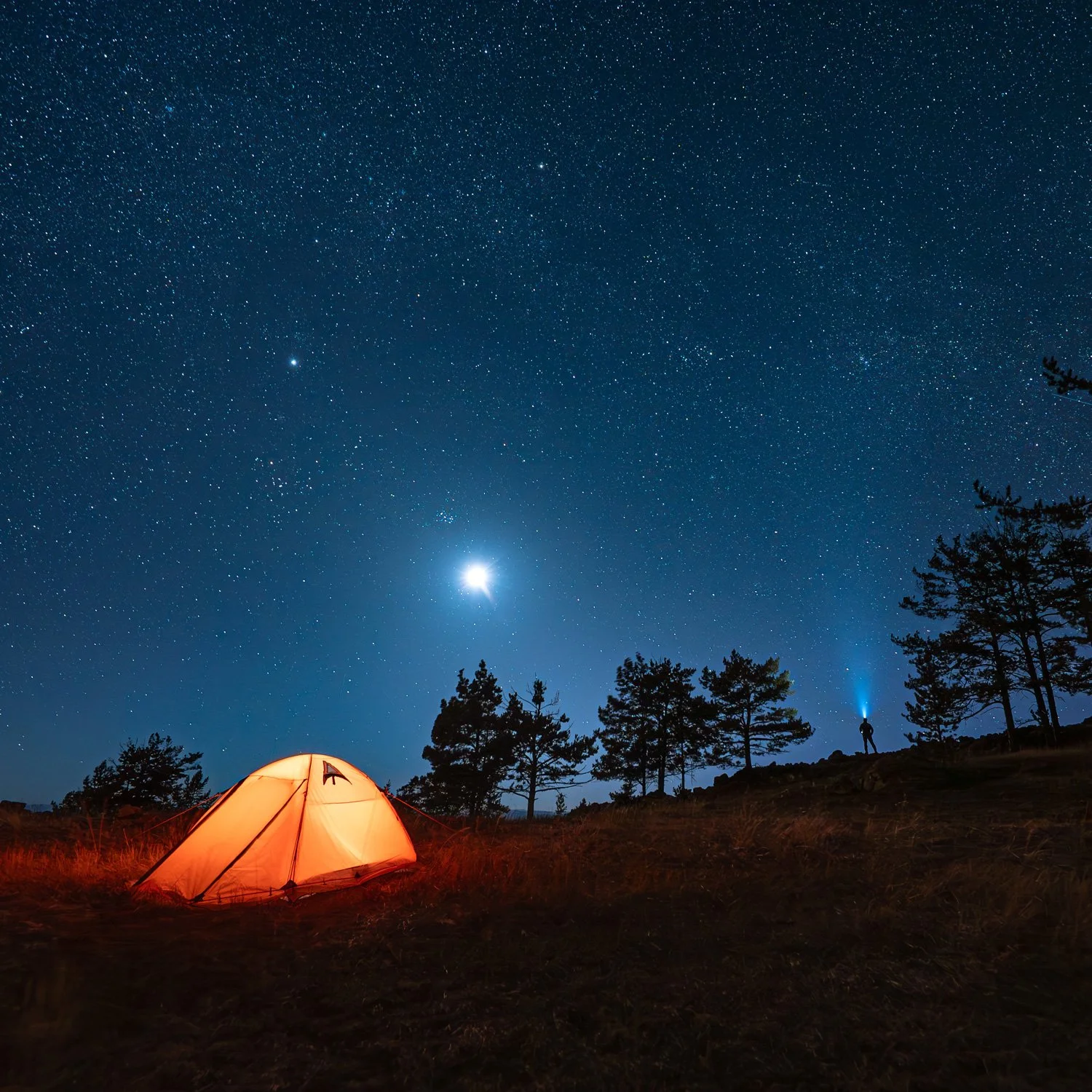
Camping has a way of meaning different things to different people. For some, it’s a quiet night under the stars and a slow morning with coffee. For others, it’s kids laughing around a campfire, a car packed with gear, or a long walk into the backcountry. That flexibility is part of what makes planning a camping trip so appealing—and sometimes overwhelming.
This guide covers many camping basics, from backyard setups to backpacking trips, from camping with dogs to camping with kids. It’s designed to help you understand your options, reduce uncertainty, and approach camping in a way that feels doable rather than intimidating. Camping doesn’t have to be extreme to be meaningful. It just needs to fit your life.
Table of Contents
What Is Camping, Really?
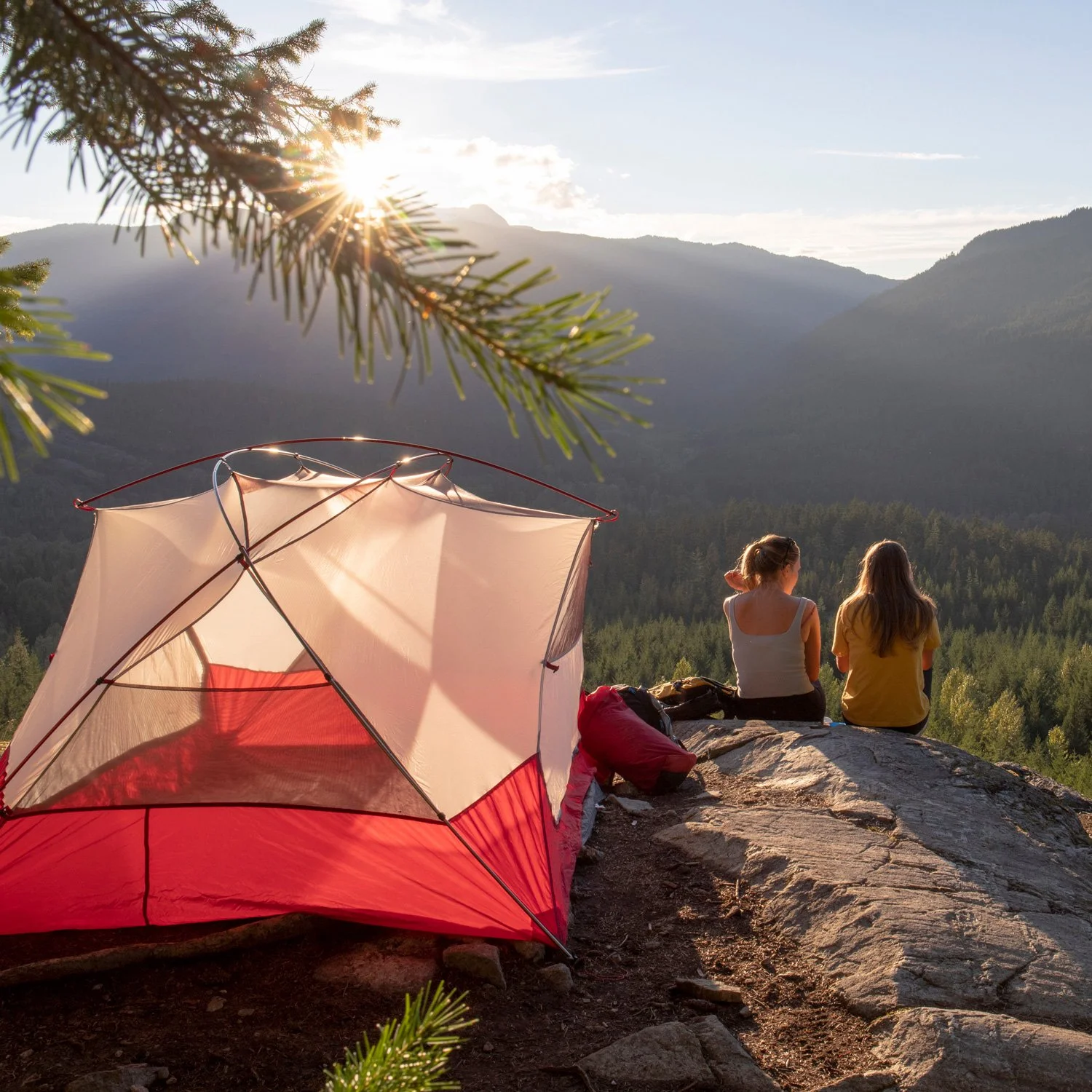
At its core, camping is about spending time outdoors with fewer barriers between you and your environment. It’s a shift away from constant convenience and toward presence, even if only slightly. That shift looks different for everyone, depending on comfort level, season of life, and personal goals.
Camping can be close to home or far away, carefully planned or loosely structured, comfortable or intentionally simple. There is no single definition that everyone has to follow. Camping works best when expectations are realistic and the experience is allowed to be imperfect.
Camping in the Backyard
Backyard camping is one of the most approachable ways to start, especially for beginners or families with young kids. It removes many of the unknowns—travel, reservations, unfamiliar environments—while preserving the essence of camping itself.
Sleeping outside, managing evening routines, and waking up to morning air all happen without pressure. Backyard camping is also a great way to test gear, practice setting up a tent, or see how kids respond to sleeping outdoors. It builds confidence in a low-stakes way and reinforces that camping doesn’t have to involve distance to be worthwhile.
Car Camping
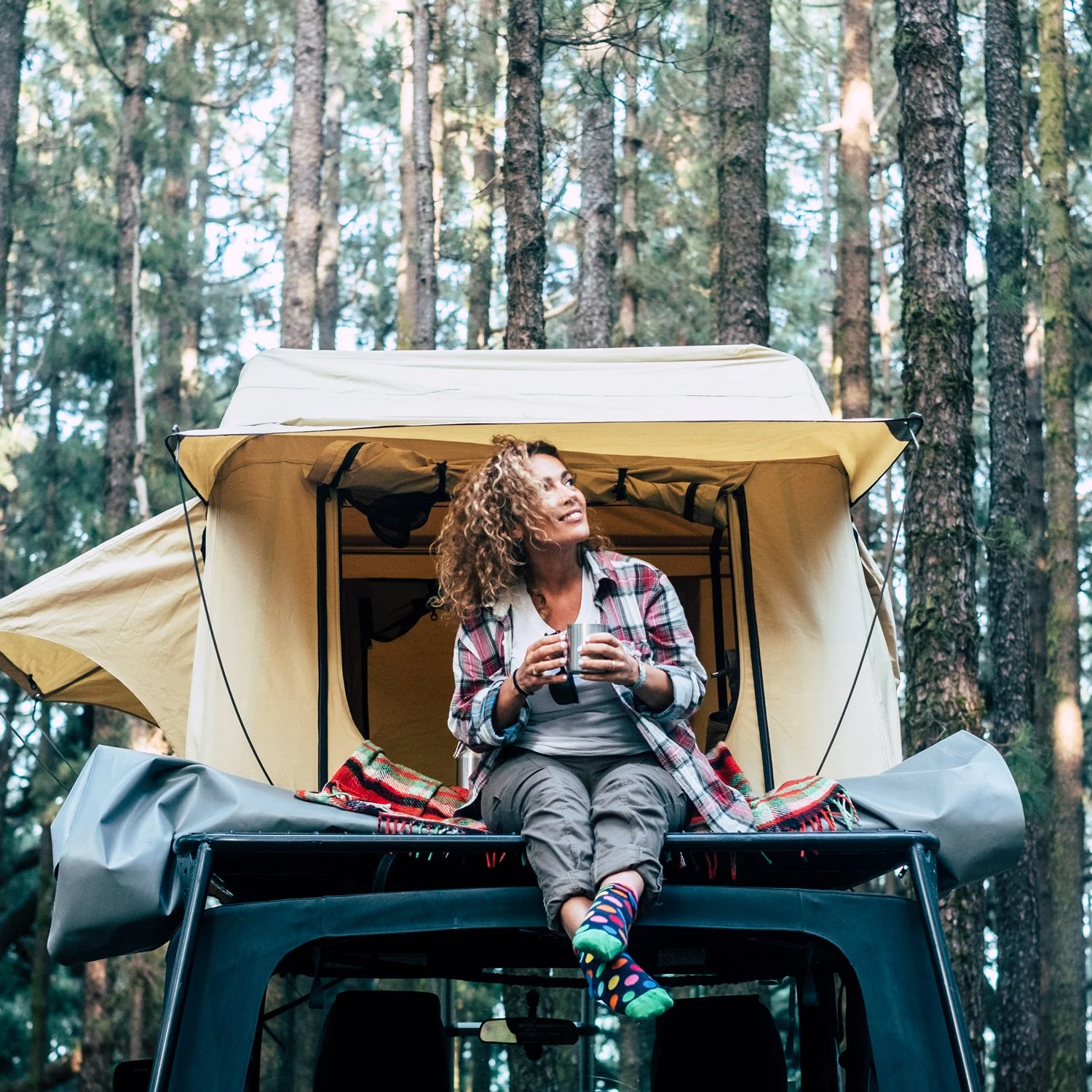
Car camping is often the bridge between backyard camping and more remote trips. You drive to a campground, park nearby, and set up camp with your vehicle close at hand. This makes logistics simpler and allows for flexibility if plans change.
Because your car is nearby, you can bring extra layers, real pillows, cooler-based meals, and backup supplies. Many campgrounds offer bathrooms, picnic tables, and fire rings, which lowers the learning curve. For camping beginners, car camping often provides the first sense of ease and enjoyment that makes them want to keep going.
Camping Tips for Beginners
If you’re new to camping, preparation matters—but overplanning can work against you. The goal isn’t to anticipate every possible issue, but to cover the basics so surprises feel manageable rather than stressful.
Start with a short trip. One night is enough to learn what works without feeling exhausted or overwhelmed.
Choose a familiar or well-established campground for your first few trips to reduce unknowns.
Check the weather, but plan for variation by bringing layers and rain protection.
Set expectations low and flexible—discomfort and small mistakes are part of the learning process.
Arrive with daylight so you can set up camp calmly and choose a good campsite.
Keep meals simple, especially the first night when energy is usually low.
Bring more snacks than you think you’ll need; hunger shows up faster outdoors.
Focus on staying warm, dry, and rested—comfort matters more than gear or activities.
Practice setting up your tent at home before your trip to avoid frustration at camp.
Remember that a “successful” camping trip doesn’t need to be impressive—it just needs to be enjoyable enough to want to go again!
Choosing a Campsite
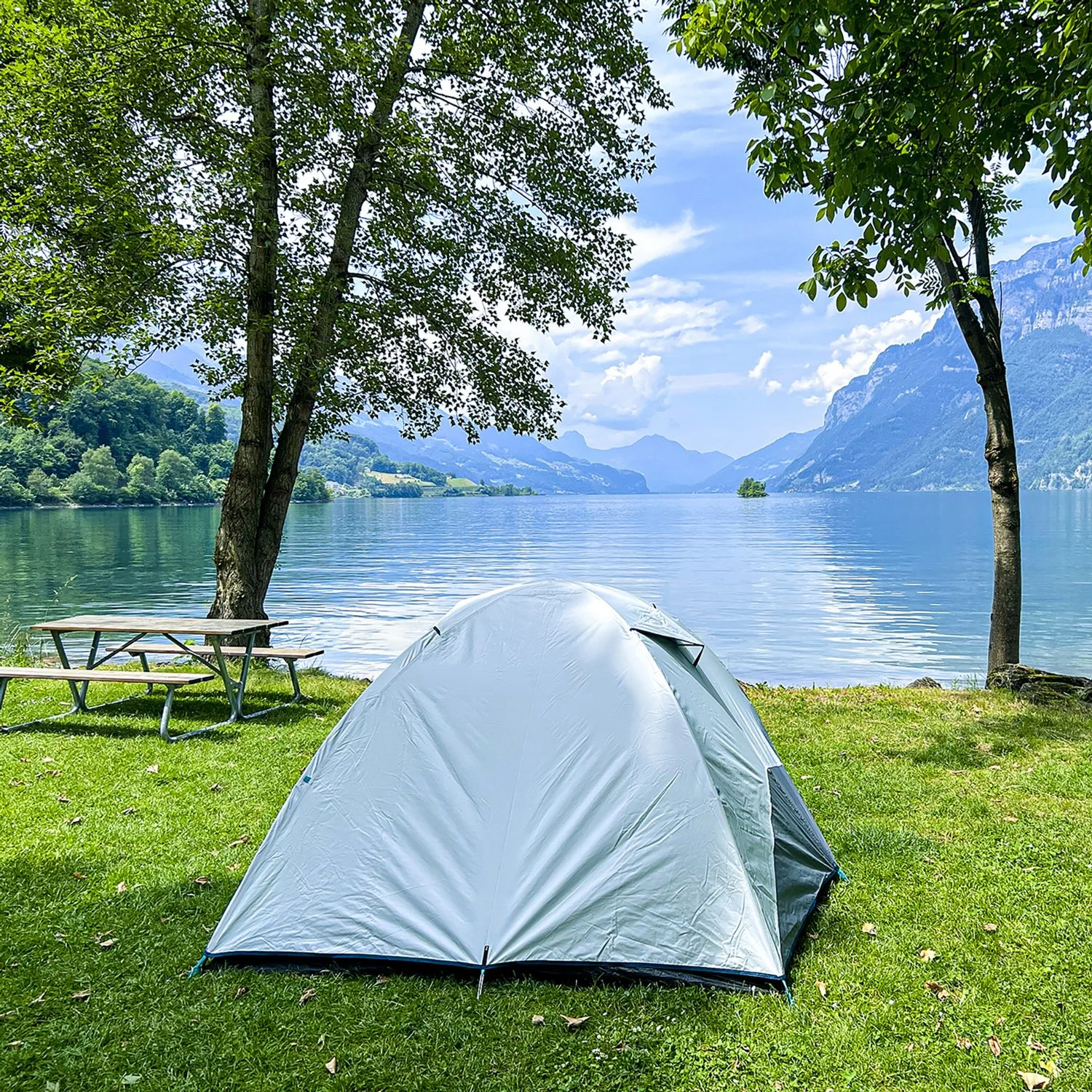
Choosing where to set up camp has a bigger impact on your experience than almost any piece of gear. A good campsite supports rest, safety, and comfort, while a poor one can make the night feel long and unsettled. Taking a few extra minutes to choose thoughtfully often pays off far more than rushing to the first open spot.
Flat ground is one of the most important factors, especially for sleeping well. Even a slight slope can cause discomfort throughout the night. Look for areas that are naturally level and free of rocks or roots. Shade is another consideration, particularly in warmer weather, as it can make afternoons more comfortable and help regulate tent temperature.
Safety matters just as much as comfort. Avoid setting up directly next to dead or damaged trees, which can drop branches without warning—especially during wind or storms. Be aware of your surroundings, including loose rocks, low spots that could collect water if it rains, and areas exposed to strong wind.
Many areas have guidelines for how far to camp from water, and following them usually improves both comfort and environmental impact.
Arriving with daylight gives you the chance to evaluate these factors calmly. When you take the time to choose a campsite that feels settled and safe, the entire trip tends to slow down in a good way. Learning how to choose a campsite is a key part of your camping setup, and it’s a skill that improves quickly with experience.
What to Bring Camping
But first—this isn’t an exhaustive camping gear list. While it covers many of the essentials, every trip has its own needs, and some situations may require gear that isn’t mentioned here.
Packing for camping can feel overwhelming at first, especially when you see long gear lists online. In practice, most camping trips come down to a small set of essentials that support sleep, warmth, food, and safety. Once those basics are covered, everything else is about comfort and preference.
Rather than thinking in terms of “gear,” it helps to think in terms of needs. What helps you sleep, eat, stay warm, and feel settled outside will vary slightly depending on whether you’re backyard camping, car camping, or backpacking.
Core Camping Essentials
Shelter (tent, tarp, or vehicle setup)
Sleeping bag appropriate for the season
Sleeping pad for insulation and comfort
Pillow or clothing used as a pillow
Headlamp or flashlight
Extra batteries or charging option
Clothing and Layers
Weather-appropriate daytime clothing
Warm layer for evenings and mornings
Rain jacket and wind shell
Sleep clothes
Extra socks
Comfortable shoes for camp
Food and Water
Meals planned for the length of the trip
Snacks for in-between meals
Drinking water or water filtration method
Cooler and ice (for car camping)
Camp stove or cooking method
Simple cooking utensils and dishes
Campsite Basics
Camp chairs or ground seating
Trash bags
Paper towels or cloths
Hand sanitizer or wipes
Small repair or multi-use tool
Safety and Personal Items
First-aid kit
Medications and personal items
Sunscreen and insect protection
Map and offline navigation option
Phone and charging cable or battery pack
Most people bring more than they need at first, then slowly simplify with experience. That refinement is part of learning about camping—not by getting it perfect, but by noticing what actually helps you enjoy your time outside.
Sleeping Comfort: How to Actually Rest While Camping
Sleep often determines whether someone wants to camp again.
Sleep plays a much bigger role in camping than most people expect. How well you sleep often determines how the next day feels—and whether you’re excited to camp again. Many first-time campers assume discomfort is unavoidable, but small adjustments can make a meaningful difference.
One of the most important factors in sleeping well outdoors is insulation from the ground. A sleeping pad provides both cushioning and warmth. Even in mild conditions, the ground pulls heat away from your body, which can lead to restless sleep if you’re unprepared.
Temperature management is another common challenge. Using a sleeping bag rated for the right temperature, wearing appropriate sleep layers, and adjusting your setup based on conditions can help regulate warmth throughout the night.
Sleep while camping is different from sleep at home, and adjusting expectations helps. Outdoor sounds, uneven ground, and early light can interrupt rest, especially at first. Bringing familiar items like a pillow, wearing earplugs, or establishing a simple bedtime routine can help your body settle more easily.
Camping with kids adds another layer to sleep comfort. Bedtimes may shift, and nights may be more restless. Planning for earlier evenings, allowing extra time to wind down, and keeping routines loosely familiar often leads to better rest for everyone.
With experience, sleeping outdoors becomes more intuitive. You learn how your body responds to different conditions and what adjustments make the biggest impact. Learning about camping includes recognizing that good sleep is not a luxury—it’s a key part of enjoying time outside.
Camping Food: What to Eat and How to Keep It Simple
Food anchors the camping experience. Meals provide rhythm, energy, and some of the most memorable moments of a trip.
The most common mistake beginners make is planning meals that are too complicated. Camping food works best when it’s familiar, flexible, and easy to prepare. Simple breakfasts, no-fuss lunches, and straightforward dinners reduce stress and cleanup.
Snacks matter more than expected, particularly when camping with kids. Hunger shows up faster outdoors, and having food ready prevents small issues from becoming big ones.
Food storage is also important. Keeping food sealed and stored properly protects it from animals and helps keep campsites safe and clean.
Camping meals don’t need to impress. They just need to work.
Camp Setup and Daily Rhythm
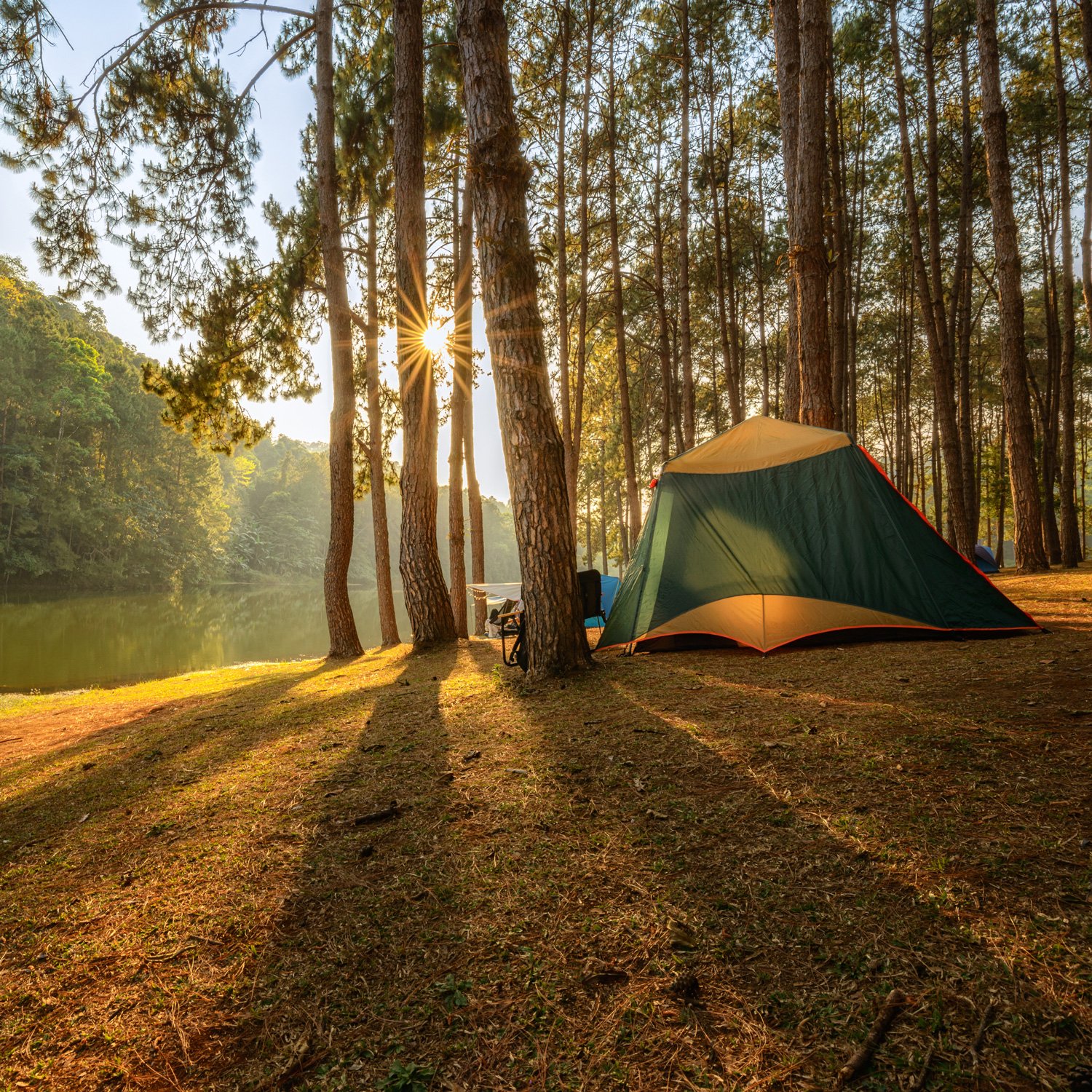
Camping days tend to follow a natural rhythm shaped by light and weather. Evenings slow down earlier, and mornings often begin sooner than at home. Understanding this rhythm helps reduce friction.
Arriving early enough to set up calmly makes a big difference. Evenings feel more relaxed when camp is already established. Planning fewer activities and allowing the day to unfold often leads to better experiences. Camping rewards simplicity and presence.
Camping With Kids
Camping with kids shifts the focus from accomplishment to experience. A successful trip isn’t measured by distance traveled, activities completed, or how closely things go according to plan. It’s measured by whether everyone feels safe, nourished, and able to settle into the day.
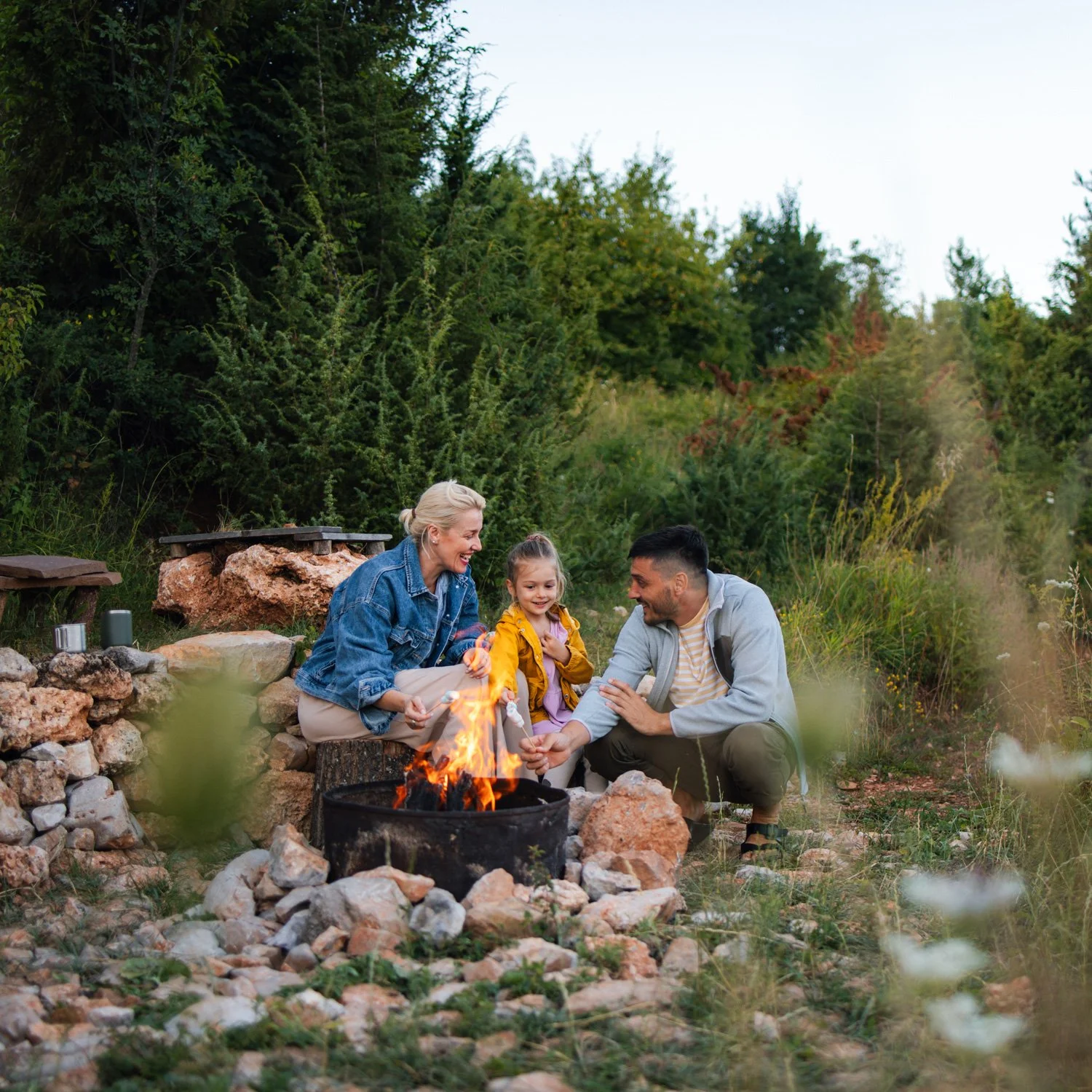
Children often experience camping more through moments than milestones. Sleeping in a tent, roasting marshmallows, collecting sticks, or watching a fire fade into embers may leave a bigger impression than extensive hikes or schedules. Because of this, simpler trips often work better than ambitious ones, especially early on.
Familiarity plays a big role in how kids handle camping. Bringing familiar foods, keeping meal and sleep routines somewhat predictable, and allowing for downtime helps kids feel grounded in an unfamiliar environment. Shorter trips and closer destinations also reduce pressure, making it easier to adjust plans if energy levels dip or weather changes.
Flexibility is essential when camping with kids. Moods can shift quickly outdoors, especially when kids are tired, hungry, or overstimulated. Building extra margin into the day—more snacks, earlier dinners, slower mornings—often prevents small challenges from becoming bigger frustrations.
Camping can also be a powerful way for kids to develop independence and confidence. Simple responsibilities like helping gather firewood, setting up camp, or packing snacks give them a sense of ownership without pressure. When kids feel involved, they’re often more engaged and relaxed.
Over time, camping with kids tends to get easier—not because everything goes perfectly, but because expectations adjust. Parents learn what works for their family, kids grow more comfortable with the rhythm of outdoor life, and trips become less about managing logistics and more about being together.
Camping Games for Kids
Camping doesn’t require constant entertainment, but it helps to have a few simple camping games for kids ready. Nature provides much of the engagement when kids are given time and space.
Scavenger hunts, storytelling, card games, and observing animals or plants encourage curiosity without screens. Allowing boredom to exist briefly can also be valuable. It often leads to creative play and deeper engagement with the environment.
Camping With Dogs
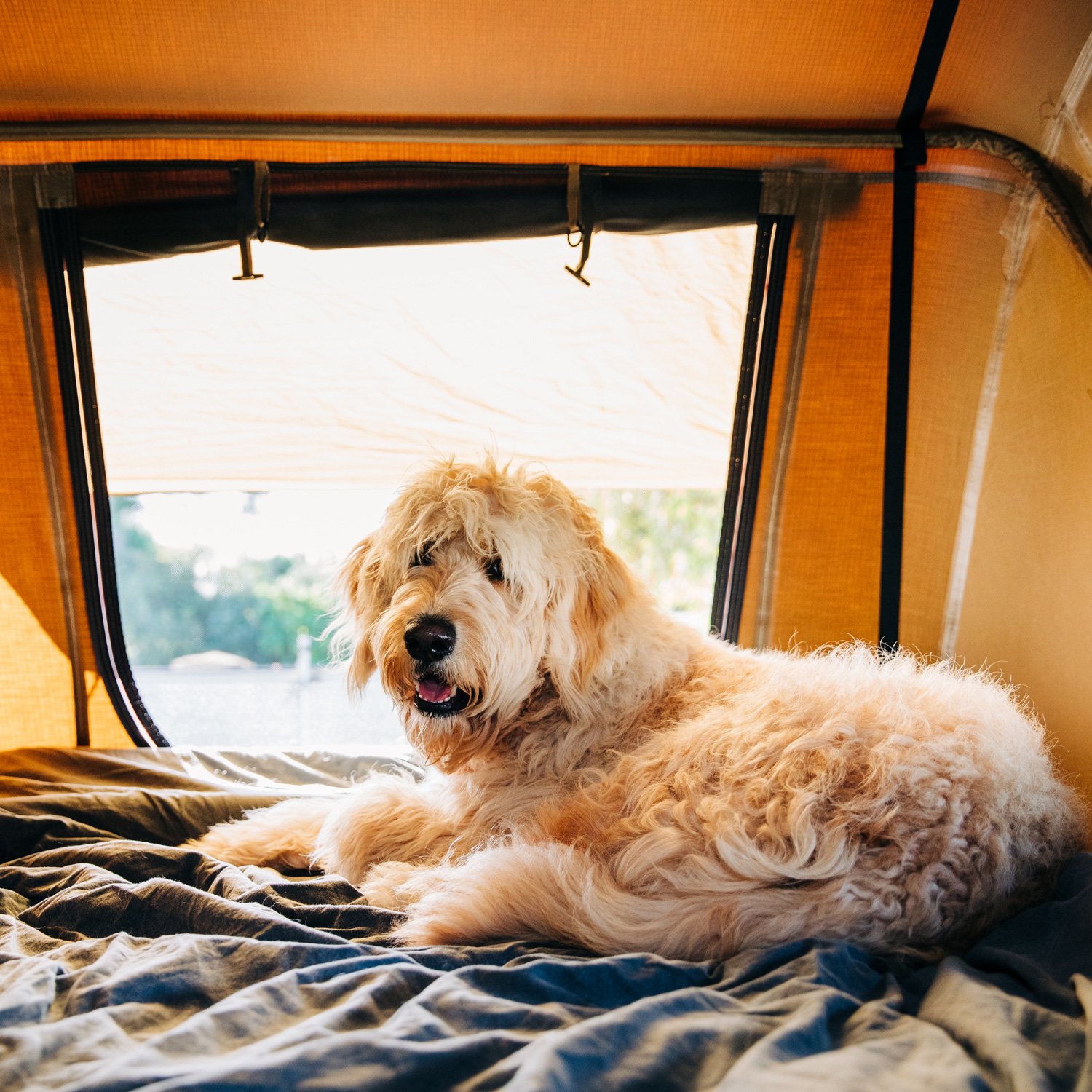
Camping with dogs can be a great way to include them in outdoor time, but it works best with a bit of forethought. Not every dog enjoys camping in the same way. Some love long walks, new smells, and sleeping outside. Others may find unfamiliar environments stressful or overstimulating. Paying attention to your dog’s temperament, energy level, age, and health helps set realistic expectations before you go.
Shorter trips are often a good place to start. Campgrounds close to home allow you to see how your dog handles sleeping in a tent, hearing new sounds at night, and being around other people or animals. Keeping routines somewhat familiar—regular meals, familiar bedding, and predictable downtime—can help dogs settle more easily at camp.
Preparation matters when camping with dogs. Bring enough food and water, a leash even if your dog is well-trained, and a way to keep them warm or shaded depending on conditions. Many campgrounds and public lands have specific rules about dogs, including leash requirements and restricted areas, so it’s important to check regulations ahead of time. Proper food storage is also key, since pet food can attract wildlife just as easily as human food.
When camping with dogs goes well, it often deepens the experience. Slower mornings, relaxed walks, and quiet time outside tend to suit dogs naturally. Success isn’t about doing more—it’s about creating an environment where everyone, including your dog, can be comfortable and present.
Dispersed Camping vs. Campgrounds
Where you camp shapes the entire experience.
Campgrounds offer predictability. Defined sites, amenities, and clear rules make them especially helpful for beginners and families. The tradeoff is reduced privacy and the need for reservations during busy seasons.
Dispersed camping offers freedom and solitude. There are no services, which means fewer people and more flexibility—but also more responsibility. You must manage waste, follow land rules, and be comfortable without amenities.
Many campers move between both depending on the trip, the season, and who they’re with. Neither is better—they simply offer different experiences.
Camp Etiquette and Being a Good Neighbor
Camping is a shared experience, even when it feels quiet. Being mindful of noise, respecting quiet hours, and caring for shared spaces helps everyone enjoy their time outdoors.
Teaching kids simple campsite etiquette early builds habits that last. Leaving a campsite better than you found it is about awareness and respect.
Backpacking
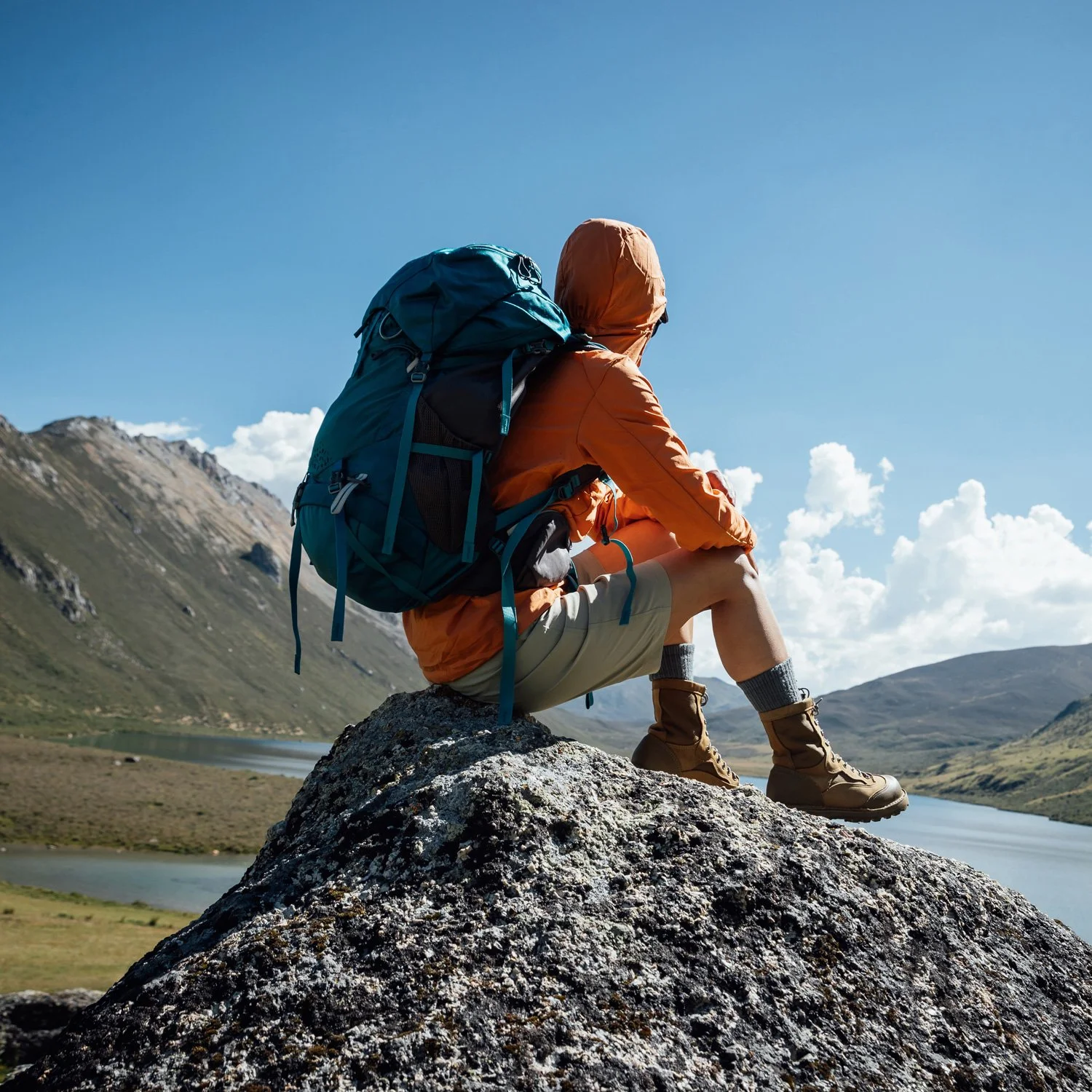
Backpacking is camping where you carry everything you need with you, which changes both how you plan and how you experience time outside. Because you’re moving under your own power, backpacking naturally simplifies things. Every item has a purpose, and every decision—how far to walk, where to stop, when to rest—becomes more intentional.
This style of camping often appeals to people looking for quiet, immersion, and a sense of self-reliance. Without a car nearby, distractions fall away quickly. Days tend to revolve around walking, eating, resting, and observing what’s around you. For many, that rhythm is deeply grounding.
Backpacking does require more preparation than car camping. Distance, elevation, weather, and water availability all matter. Food choices need to be lightweight and calorie-dense. Gear needs to balance comfort with weight. That planning can feel intimidating at first, but it becomes more intuitive with experience. Starting with short, well-traveled routes and one-night trips helps build confidence without overwhelming the experience.
Physical effort is part of backpacking, but it doesn’t need to be extreme. Backpacking isn’t about speed or mileage—it’s about sustainability. Moving at a pace that allows you to notice your surroundings and still enjoy camp at the end of the day often leads to better trips than pushing limits too quickly.
Backpacking also brings you closer to environmental awareness. Campsite selection, waste management, and food storage become essential skills rather than abstract concepts. Many backpackers develop a stronger appreciation for Leave No Trace principles because they’re directly responsible for everything they carry in and out.
Like other forms of camping, backpacking evolves over time. Early trips often focus on logistics and comfort. Later ones tend to feel more fluid, with less overthinking and more trust in your ability to adapt. Understanding camping includes recognizing that backpacking isn’t a destination—it’s simply another way of engaging with the outdoors when you’re ready for it.
If you’re new to backpacking you may appreciate our article on Backpacking for Beginners.
Weather, Safety, and Adaptability
Weather influences nearly every part of a camping trip, from what you pack to how your days unfold. Checking the forecast before you go is essential, but it’s only a starting point. Conditions can change quickly and planning with flexibility in mind often matters more than predicting exact outcomes.
Being prepared for weather means thinking beyond temperature. Wind amplifies cold, and rain can quickly change both campsite conditions and gear performance. Heat affects hydration, energy levels, and sleep. Packing layers, rain protection, and sun coverage allows you to adapt as conditions shift rather than feeling stuck when they do.
Safety in camping is largely about awareness rather than fear. Understanding local regulations, including fire restrictions and wildlife considerations, helps prevent problems before they start. Proper food storage, especially in areas with active wildlife, protects both people and animals. Carrying a basic first-aid kit and fire starter and knowing how to use them provides confidence, even if you never need them.
Adaptability is one of the most valuable camping skills. Plans change. A hike might be shorter than expected. A storm might keep you in camp longer than planned. Learning to adjust without frustration often leads to better experiences. Some of the most meaningful moments in camping come not from perfect conditions, but from responding calmly when things unfold differently than expected.
Camping rewards those who pay attention and adjust. When weather, safety, and adaptability are approached together, they create a foundation that allows the experience itself to remain the focus—rather than the challenges around it.
Leave No Trace
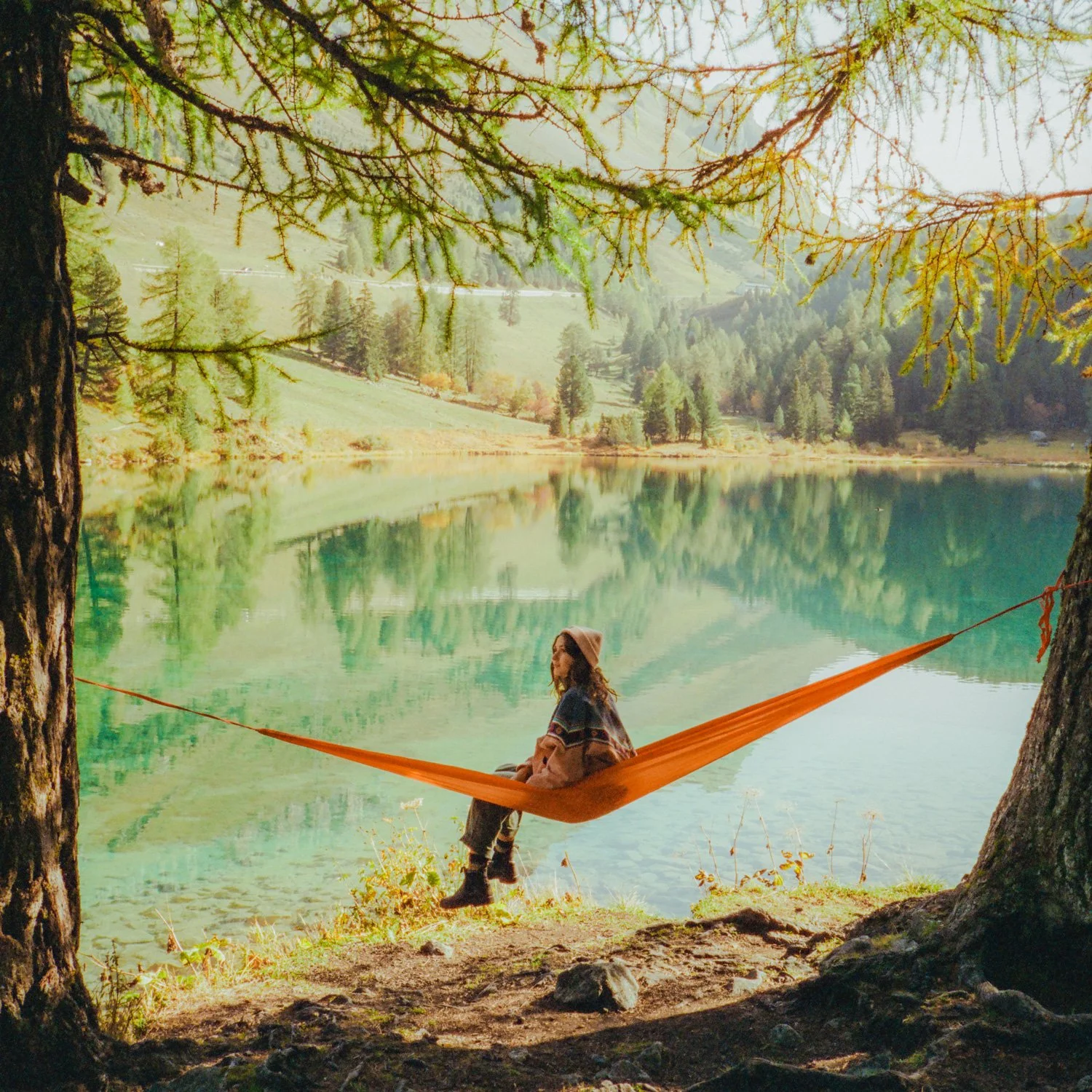
Leave No Trace is about responsibility, not restriction. It’s a set of principles that guide how we move through outdoor spaces so they remain healthy, usable, and welcoming for others—now and in the future.
At its core, Leave No Trace means being mindful of your impact. That includes packing out everything you bring in, minimizing disturbance to plants and wildlife, staying on durable surfaces, and managing waste properly. These practices protect natural areas from erosion, overcrowding, and long-term damage.
Leave No Trace also asks for awareness beyond your immediate campsite. Noise, food storage, and campfire use all affect the environment and other people nearby. Choosing appropriate places to camp, following fire regulations, and respecting wildlife boundaries help preserve the experience for everyone.
When these habits become routine, they fade into the background and allow the outdoors to remain the focus.
Common Camping Mistakes
Most people’s first camping trips don’t go exactly as planned. That’s not a sign you’re doing it wrong—it’s part of learning how camping actually works outside of theory. Many common mistakes come from trying to recreate life at home instead of allowing the experience to be different.
One of the most frequent mistakes is overpacking. New campers often bring too much gear, too many clothes, and too many “just in case” items. While it feels safer to be prepared for every scenario, excess gear can make setup, breakdown, and organization more stressful. Over time, most campers learn that comfort comes from thoughtful choices, not from having everything.
Another common issue is overplanning. It’s easy to feel like a camping trip needs an itinerary to be successful, especially when traveling with others or with kids. In reality, too much structure can create pressure and disappointment when plans change. Camping works better when there’s room for flexibility—weather shifts, energy levels change, and some of the best moments happen when nothing is scheduled.
Food planning is another area where mistakes show up quickly. New campers often plan meals that are too complex or time-consuming, especially for evenings when energy is low. Simple, familiar meals tend to work better and leave more time to relax. Running short on snacks is also common, and hunger outdoors often arrives faster than expected.
Weather-related mistakes are almost inevitable. Underestimating how cold nights can get, how much wind affects warmth, or how quickly conditions can change catches many people off guard. These experiences usually lead to better preparation on future trips, from packing layers to choosing campsites more carefully.
Finally, many campers expect themselves—or their kids—to behave differently outdoors. Tiredness, overstimulation, and disrupted routines can lead to frustration. When things feel harder than expected, it doesn’t mean camping isn’t working. It means you’re in the middle of learning.
Most experienced campers didn’t get there by avoiding mistakes. They got there by realizing that mistakes are manageable, temporary, and often the fastest way to understand what actually matters on a trip.
How Camping Changes Over Time
Camping evolves as life does. Early trips might focus on comfort and simplicity, while later ones seek quiet, distance, or challenge.
Some people move toward backpacking, while others circle back to easy car camping or backyard nights. There’s no final version of camping you’re supposed to reach. The goal isn’t mastery—it’s alignment.
Conclusion: All About Camping
If there’s one thing to remember about about camping, it’s this: camping isn’t a test. It’s a practice.
You don’t need perfect gear or perfect conditions to begin. You can start small, stay close to home, bring kids, or explore slowly. Camping meets you where you are—and grows with you from there.