
The Ultimate Guide to Hiking: Tips, Gear, and Planning
An Introduction to Hiking
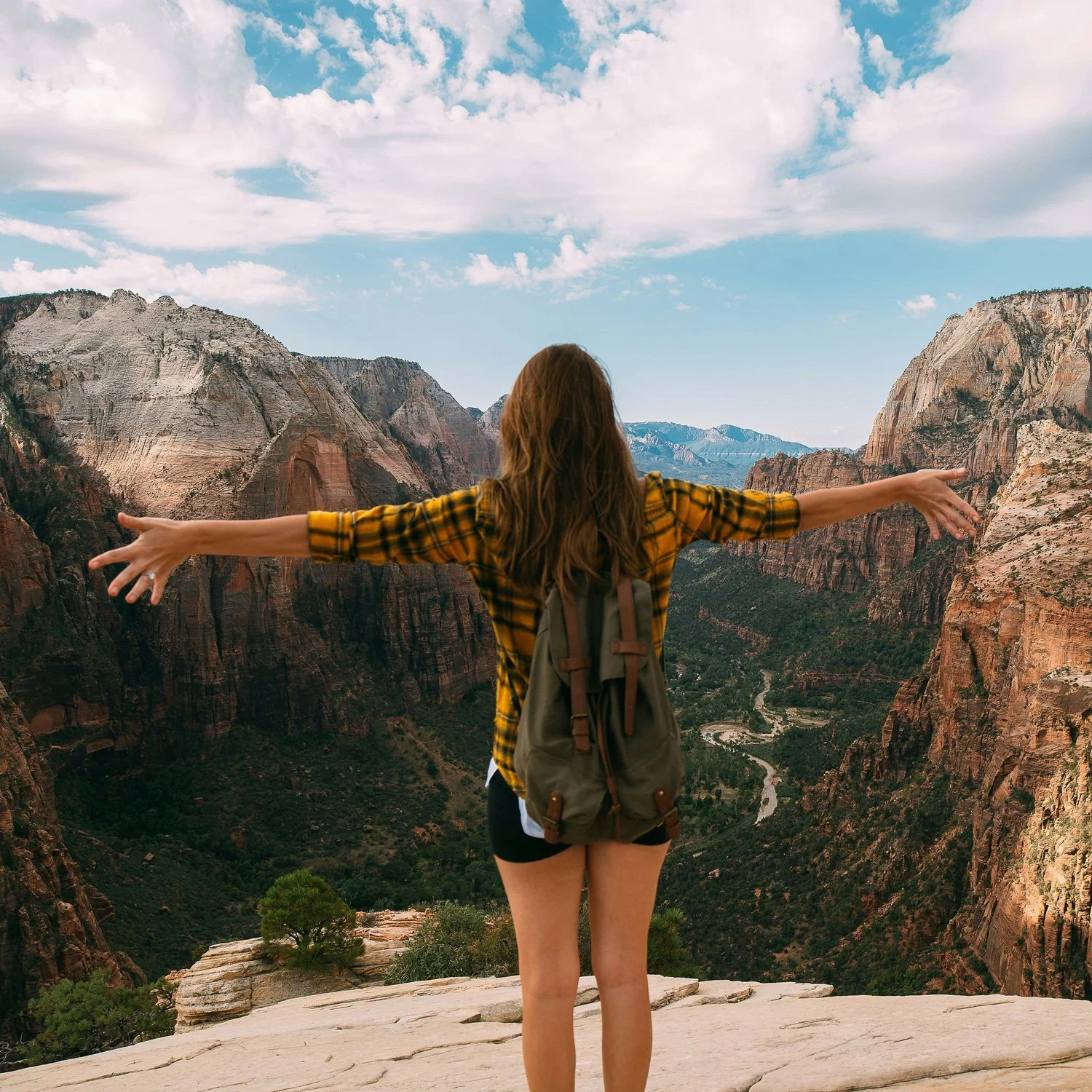
Hiking is one of the most approachable ways to experience the outdoors, yet it’s also one of the most expansive. With little more than a trail and a willingness to move, hiking opens the door to exploration, physical health, mental clarity, and deeper connection. It can be casual or challenging, spontaneous or carefully planned, solitary or shared with others.
This guide is designed to be a comprehensive resource—covering what hiking is, why people are drawn to it, how to prepare, and how hiking can evolve over time. Whether you’re stepping onto a trail for the first time or returning to one you’ve walked for years, hiking has a way of meeting you exactly where you are.
Table of Contents
Why People Are Drawn to Hiking
Fitness and Preparation for Hiking
The Mental and Emotional Benefits of Hiking
What Clothes to Wear for Hiking
Common Hiking Mistakes to Avoid
Trail Etiquette and Leave No Trace
Hiking With Others vs. Hiking Solo
Seasonal Hiking Considerations
Hiking Gear: What to Wear and Why It Matters
What Is Hiking?
Hiking is the act of walking through natural environments, usually on trails, footpaths, or unpaved terrain. While it may sound simple, hiking spans a wide range of experiences—from gentle forest paths and rolling foothills to steep mountain climbs and rugged desert routes.
What defines hiking isn’t difficulty, but intention. It’s the choice to move through nature rather than rush past it. More often than not, hiking is less about reaching a destination and more about the experience of the journey itself—requiring little more than curiosity and a willingness to take the next step.
Why People Are Drawn to Hiking
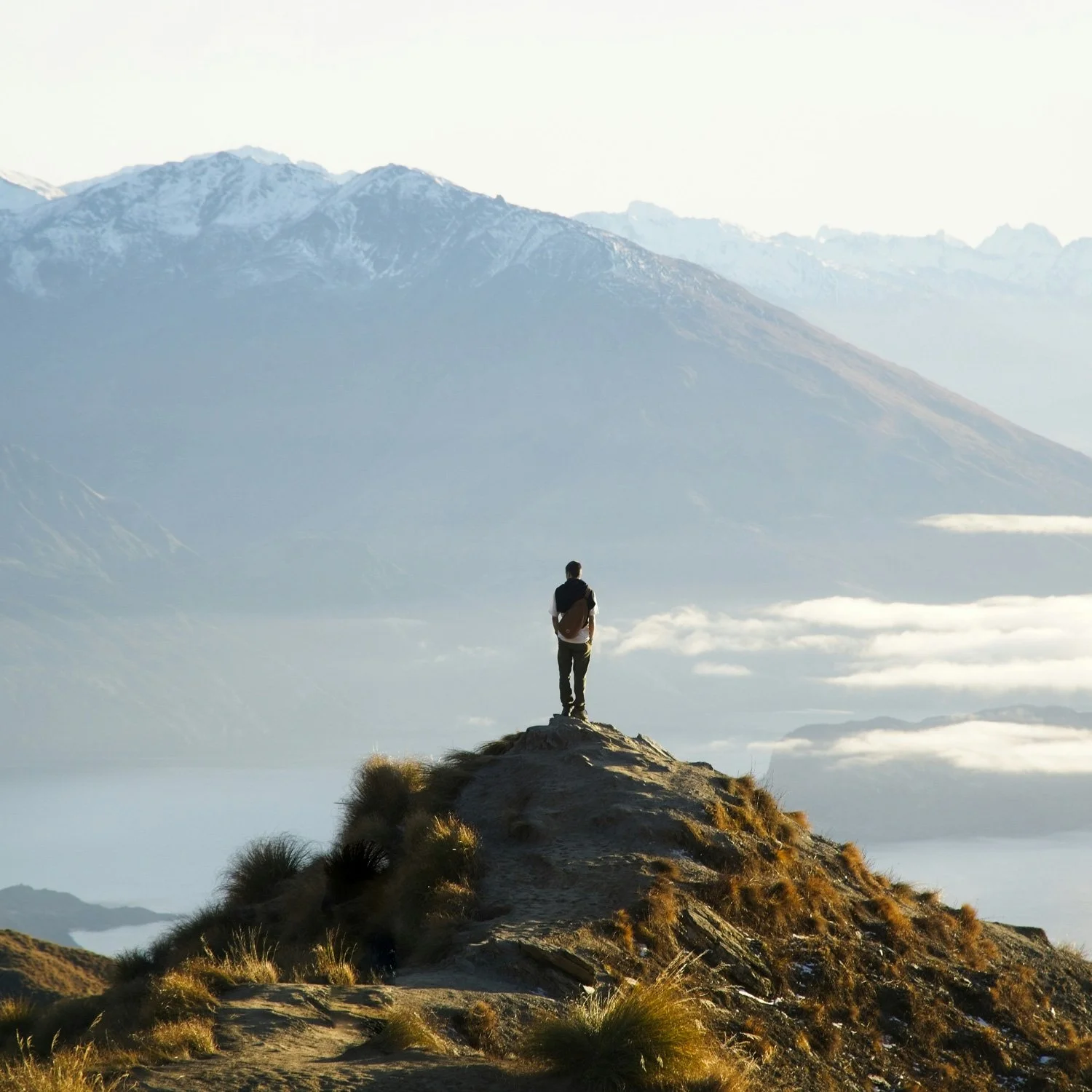
People are drawn to hiking for different reasons, and those reasons often shift over time. Some come for the physical benefits, appreciating the way hiking strengthens the body while feeling less rigid than structured workouts. Others are drawn to hiking for mental clarity, finding that time on the trail helps quiet distractions and organize thoughts.
There’s also a quieter pull at work. Hiking allows people to move through landscapes at a natural pace, noticing details that are easy to miss in everyday life. Over time, many hikers discover that what they value most isn’t the distance or elevation, but the feeling of being present in a natural environment.
Is Hiking a Hobby?
So, is hiking a hobby? For many people, hiking becomes one of the most enduring hobbies they have. It’s something they choose to return to not out of obligation, but because it consistently adds value to their life. Hiking fits naturally into the definition of a hobby because it offers enjoyment, personal growth, and a sense of rhythm.
Unlike many hobbies, hiking doesn’t require constant progression or expensive upgrades to remain fulfilling. Some hikers track miles and summits, while others return to the same familiar trail week after week. Both approaches reflect hiking as a hobby rooted in personal meaning rather than external validation.
Different Types of Hiking
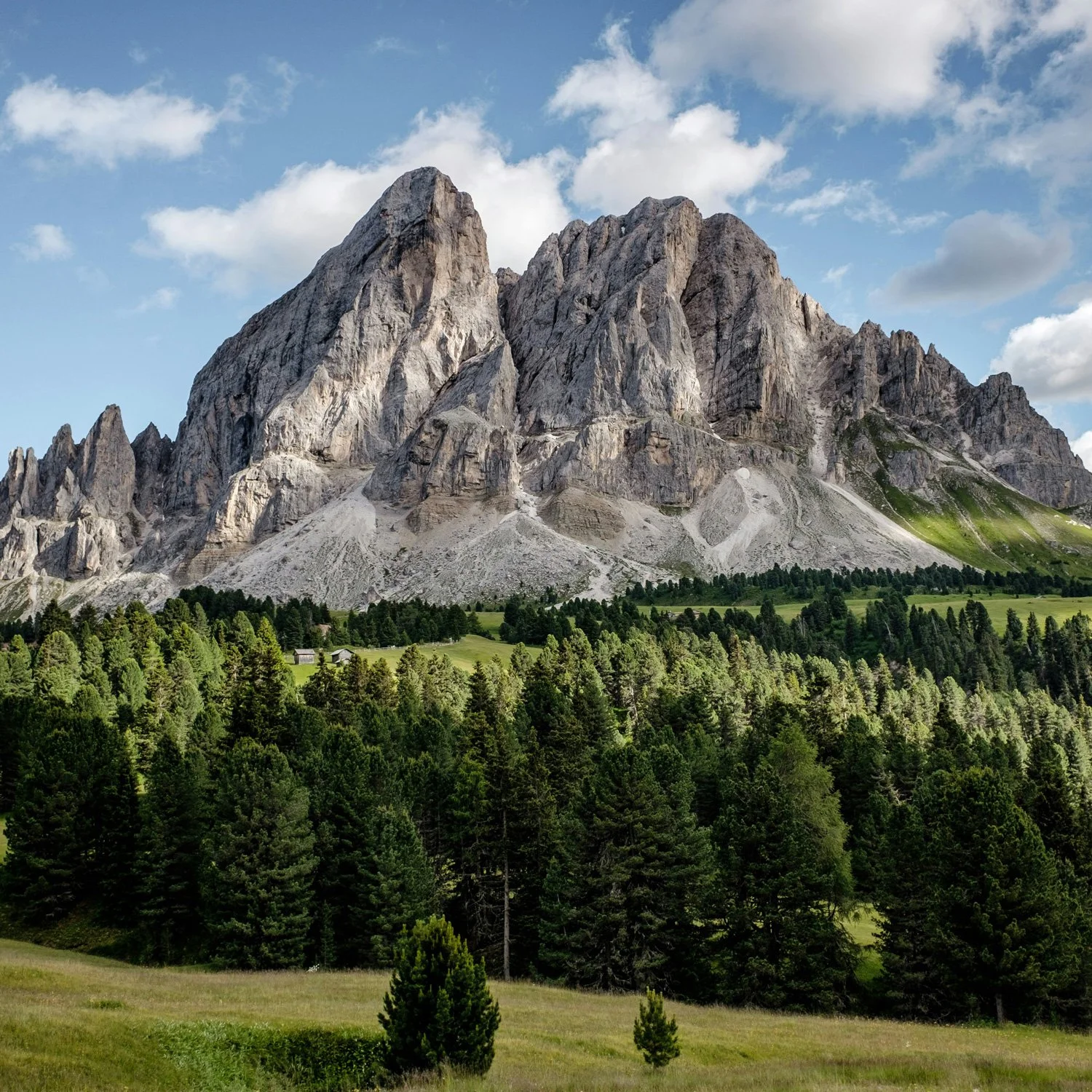
Hiking isn’t a single activity—it’s a broad category with many expressions.
Day hiking is the most common form, allowing people to explore trails and return home the same day.
Urban hiking blends parks, greenways, and pedestrian paths into a more accessible version of trail walking.
Mountain hiking introduces elevation gain, variable weather, and a greater physical challenge.
Backpacking takes hiking further by extending it across multiple days, requiring hikers to carry food, shelter, and sleep systems in a pack. Long-distance hiking, including thru-hiking, emphasizes endurance and planning over extended periods of time.
Each type of hiking invites a different pace and mindset, but all share the same core experience: moving intentionally through outdoor spaces.
Fitness and Preparation for Hiking
Hiking doesn’t always require peak fitness, but a basic level of preparation can make the experience far more enjoyable. Because hiking involves uneven terrain, elevation changes, and sustained movement, it uses muscles and energy systems that everyday walking may not.
Preparing your body helps reduce fatigue, prevent injury, and build confidence on the trail. With a little intentional preparation, hiking becomes less about pushing through discomfort and more about staying present and capable.
Building Hiking-Specific Fitness
Hiking primarily challenges the lower body, core, and cardiovascular system. Strong legs help manage climbs and descents, a stable core supports balance on uneven ground, and cardiovascular fitness support greater endurance.
One of the best ways to train for hiking is simply to hike more. Regular walking—especially on trails or hills—builds the specific strength and stamina hiking requires. As you feel stronger, you can gradually increase distance, elevation, or pack weight. Also, simple strength movements like squats, lunges, step-ups, and calf raises can further support trail readiness by mimicking real hiking motion.
Preparing for Elevation and Terrain
Elevation gain is often what surprises new hikers the most. Even short trails can feel challenging if they climb steadily, particularly for those accustomed to flat ground. Building tolerance for climbing helps both your legs and lungs adapt to sustained effort.
Hiking on real hills and trails is the most effective preparation. When that isn’t available, incline walking—such as stairs or treadmill elevation—can help build climbing strength, though it doesn’t fully replicate trail conditions. Uneven terrain also requires balance and coordination, so practicing ankle stability and mindful foot placement improves confidence and reduces missteps.
Preparing Your Body Before the Hike
Preparation starts before you reach the trailhead. A brief warm-up helps loosen muscles and joints, especially on cooler days. Hydration and a simple pre-hike meal support steady energy, while adequate sleep improves focus and endurance.
Starting rested, fueled, and hydrated makes hiking feel smoother and more enjoyable from the first steps.
Mental Preparation and Expectations
Hiking fitness is mental as well as physical. Trail conditions, weather, and energy levels vary, and not every hike will feel the same. Setting flexible expectations helps you adapt without frustration.
Turning around early, slowing your pace, or taking extra breaks isn’t failure—it’s good judgment. This mindset reflects the JoyWild approach: prepare so you can be present, not pressured.
The Mental and Emotional Benefits of Hiking
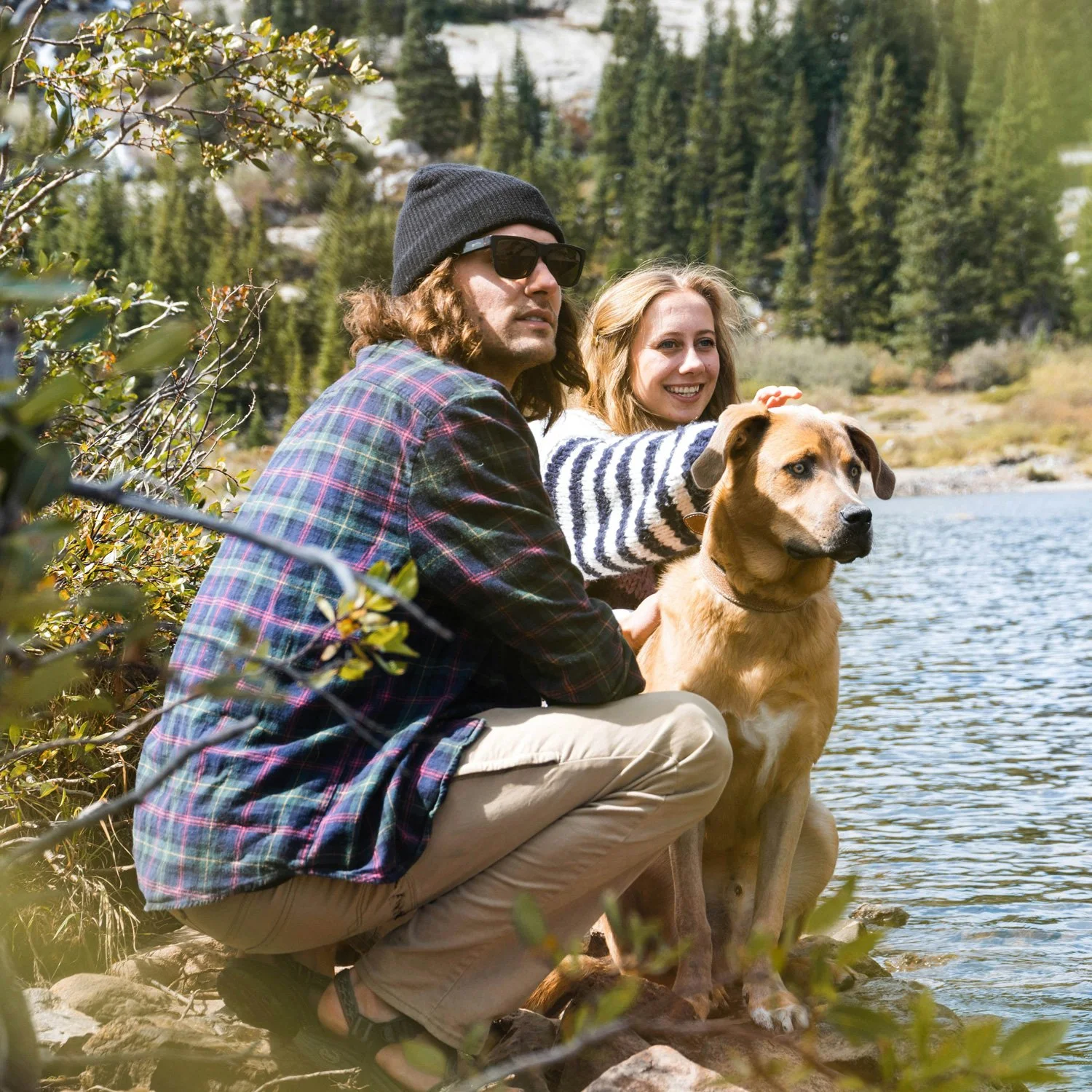
Hiking offers mental and emotional benefits that extend well beyond physical exercise. Time spent outdoors can help reduce stress, improve mood, and support overall mental well-being. The rhythm of walking combined with natural surroundings creates a calming effect that’s difficult to replicate indoors.
Hiking also provides space for reflection without forcing it. Thoughts tend to surface and settle naturally while walking, often leading to clarity or renewed perspective. Even short hikes can noticeably improve mood and mental focus.
Hiking and the JoyWild Ethos
At JoyWild, we see hiking as more than an activity—it’s a way of engaging with the world. Hiking invites you to slow down without stopping, to move with intention rather than urgency. It encourages awareness over efficiency and curiosity over control.
You don’t need epic views or long distances for hiking to matter. A familiar trail after work, a quiet morning walk, or an unplanned wander all embody the JoyWild belief that meaningful moments often come from simple, intentional choices. Hiking becomes a way to reconnect—with nature, with your body, and with the pace of life itself.
How to Plan a Hiking Trip
Knowing how to plan a hiking trip removes unnecessary stress and helps you enjoy the experience itself. Planning starts with choosing a trail that matches your available time, fitness level, and comfort with terrain.
How to Choose the Right Hiking Trail
Choosing the right trail is one of the most important parts of a good hiking experience. Distance alone doesn’t tell the whole story—elevation gain, terrain, and trail conditions all affect how challenging a hike will feel.
Pay attention to elevation gain, especially if you’re hiking at higher altitudes. Rocky or uneven terrain can slow your pace and require more energy than smooth paths. Seasonal factors also matter; a trail that’s easy in summer may be muddy, snowy, or icy at other times of year.
Trail apps, park websites, and guidebooks are helpful tools for understanding what to expect. When in doubt, start with a trail that leaves room in your energy tank rather than one that pushes your limits.
How to Pack a Hiking Backpack
Learning how to pack a hiking backpack improves comfort and efficiency, especially on longer hikes or backpacking trips. Most hiking and backpacking packs can be organized into three functional zones, each serving a purpose.
The bottom zone is ideal for bulky but lighter items, such as a sleeping bag or extra layers you won’t need right away. The core zone, closest to your back, should hold heavier items like food or cooking gear to keep weight centered and balanced. The top and outer zones are best for frequently used items—snacks, water bottles, rain layers, navigation tools, and first-aid supplies.
Even on shorter hikes, thinking in zones helps you stay organized and reduces unnecessary stops on the trail.
What Clothes to Wear for Hiking
Knowing what clothes to wear for hiking is primarily about understanding layering. Conditions can change quickly due to weather, elevation, or exertion level, and layering allows you to adapt without discomfort.
A proper layering system includes:
A base layer that wicks moisture away from your skin
A mid-layer that provides insulation when temperatures drop
An outer layer that protects against wind and rain
This approach keeps you warm without overheating and dry without carrying unnecessary bulk. Comfortable footwear and well-chosen layers allow you to stay present on the trail rather than distracted by discomfort.
Timing Your Hike and Managing Daylight
One common mistake hikers make is underestimating how long a trail will take. A simple planning approach is to factor in both distance and elevation, allowing extra time for climbs, breaks, and slower terrain.
Starting early, keeping an eye on daylight, and turning around when needed are all signs of good judgment. A well-timed hike feels relaxed instead of rushed.
Hiking Safety and Awareness
Hiking is generally safe, but awareness plays a crucial role. Staying on marked trails, pacing yourself, and monitoring weather conditions reduce the likelihood of issues. Listening to your body and recognizing early signs of fatigue or dehydration helps prevent small problems from becoming bigger ones.
One of the most important safety habits is to tell someone where you’re going and when you expect to return. Carrying water, navigation tools, and basic essentials adds confidence. Hiking safely isn’t about fear—it’s about respect for the environment and your own limits.
Common Hiking Mistakes to Avoid
Even experienced hikers make mistakes from time to time. Being aware of the most common ones can help you stay safer, more comfortable, and enjoy your time on the trail a lot more.
One of the biggest mistakes is underestimating the trail. Distance and elevation can feel very different on dirt than on pavement, especially at higher elevations. A hike that looks short on a map may take longer than expected once climbs and terrain are factored in.
Another common issue is not checking the weather closely enough. Conditions can change quickly, and failing to prepare for wind, sun, or sudden storms can turn an enjoyable hike into an uncomfortable one. Always check the forecast and pack layers, even on short outings.
Many beginners also make the mistake of not bringing enough water or food. Dehydration and low energy sneak up faster than people expect, particularly on warm days or uphill routes. Carrying extra water and simple snacks is a small step that makes a big difference.
Wearing the wrong clothing is another frequent problem. Cotton clothes and unsupportive shoes can lead to blisters, chafing, and discomfort as conditions change. Choosing moisture-wicking layers and proper footwear helps you stay comfortable throughout the hike.
It’s also easy to rely too heavily on a phone for navigation. Batteries die, service drops, and screens can be hard to read in bright light. Download maps ahead of time and carry a physical backup so you’re not caught off guard.
Finally, many hikers make the mistake of pushing past their limits instead of turning back. There’s no shame in ending a hike early if the weather shifts, daylight fades, or your body needs a break. Knowing when to turn around is part of hiking wisely.
Trail Etiquette and Leave No Trace
Trail etiquette ensures that hiking remains enjoyable for everyone. Staying on established trails protects fragile ecosystems and prevents erosion. Packing out everything you bring in helps preserve the natural beauty of outdoor spaces.
Respecting wildlife, yielding appropriately to other trail users, and keeping noise levels reasonable all contribute to a positive trail culture. Leave No Trace principles aren’t rules for restriction—they’re practices that make continued access possible.
Hiking With Others vs. Hiking Solo
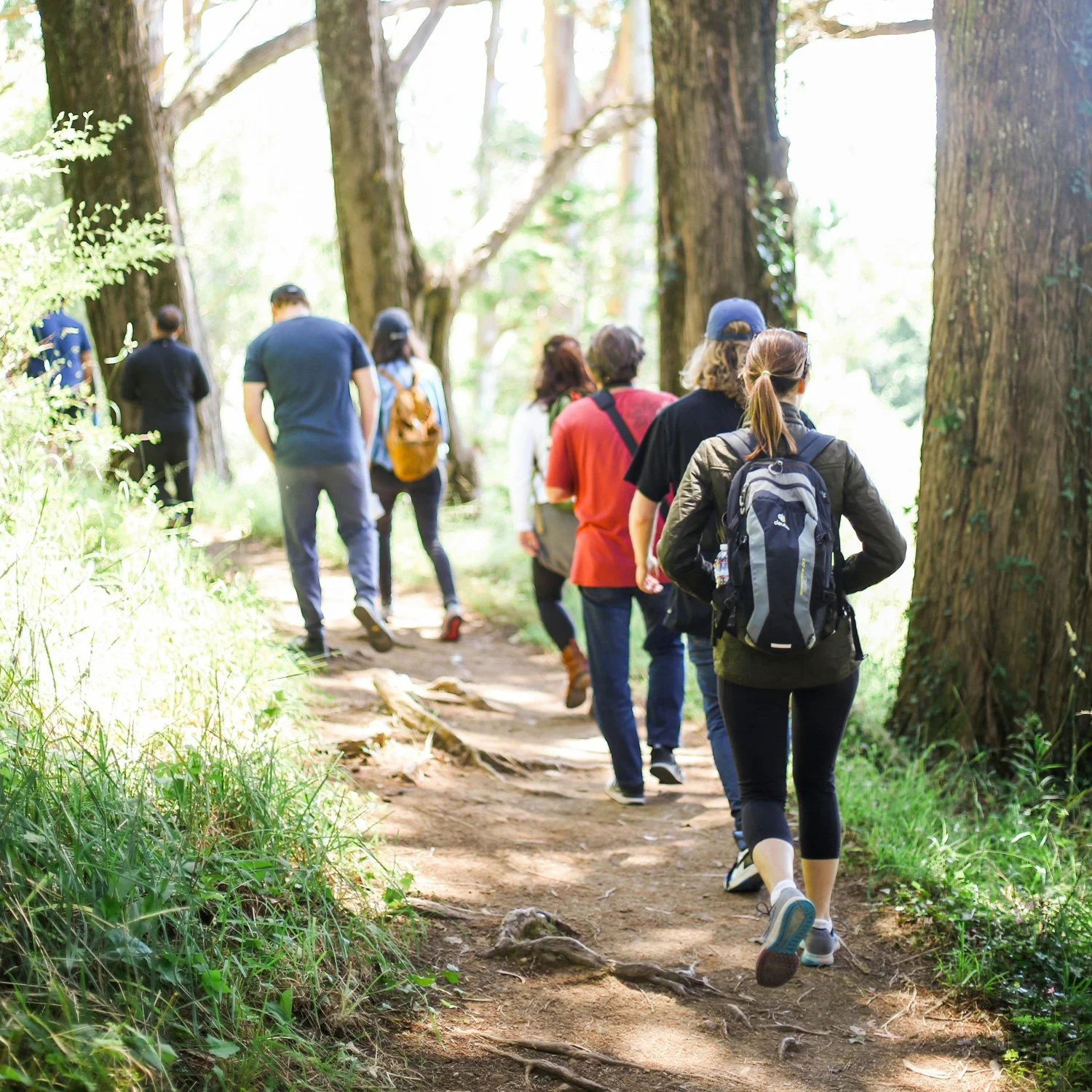
Hiking with others creates shared experiences and natural conversation. Moving side by side often leads to deeper connections without the pressure of constant interaction. Group hikes can also provide encouragement and shared motivation, especially on longer or more challenging routes.
Solo hiking offers something different. It allows for reflection, self-paced movement, and uninterrupted connection with the environment. Many hikers find value in both and choose based on mood, intention, or season.
Hiking Date Ideas
Hiking date ideas offer a relaxed alternative to traditional dates. Walking together creates a low-pressure environment where conversation flows naturally. Scenic but manageable trails work best, allowing both people to focus on the experience rather than the challenge.
Hiking dates emphasize shared presence over performance. When planned thoughtfully, they can feel both adventurous and comfortable, making them a meaningful way to connect.
Hiking With Kids and Families
Hiking with kids shifts the focus from distance to discovery. Short trails, frequent breaks, and curiosity-driven exploration help keep children engaged. Family hikes work best when expectations are flexible and the pace is unhurried.
A few helpful tips for hiking with kids:
Choose trails shorter than you think you need
Let kids help lead or choose rest spots
Build in time for play, not just walking
Bring snacks and water and take breaks more often than usual
These experiences build confidence and comfort in the outdoors over time.
Seasonal Hiking Considerations
Each season brings unique hiking experiences and challenges. Spring hiking may include muddy trails and unpredictable weather, requiring patience and flexibility. Summer hiking demands attention to heat, hydration, and sun exposure.
Fall often offers ideal hiking conditions, with cooler temperatures and changing landscapes. Winter hiking requires additional preparation, traction, and respect for conditions. Adapting your approach by season keeps hiking enjoyable year-round.
10 Hiking Tips for Beginners
These beginner tips provide a strong starting point.
Start with the right trail. Choose a route that matches your fitness level, distance comfort, and elevation experience—shorter and flatter is always a good place to begin.
Plan before you go. Check the trail conditions, weather, and daylight hours so you’re not surprised once you’re out there.
Wear proper footwear. Supportive hiking shoes or boots with good traction will keep your feet comfortable and reduce the risk of slips and blisters.
Dress in layers. Weather can change quickly on the trail, so lightweight, breathable layers help you stay comfortable in shifting conditions.
Bring more water than you think you’ll need. Dehydration sneaks up fast—especially at elevation—so always pack extra water.
Pack simple, energizing snacks. Trail mix, bars, fruit, or other easy snacks help maintain steady energy throughout your hike.
Pace yourself. Hiking isn’t a race—steady movement and regular breaks make the experience more enjoyable and sustainable.
Know where you’re going. Download maps ahead of time and carry a physical map in case you lose service.
Tell someone your plan. Let a friend or family member know where you’re going and when you expect to return.
Leave no trace. Pack out what you bring in and respect the trail so others can enjoy it after you.
For additional insights check out our article on 10 Hiking Tips for beginners.
Hiking Gear: What to Wear and Why It Matters
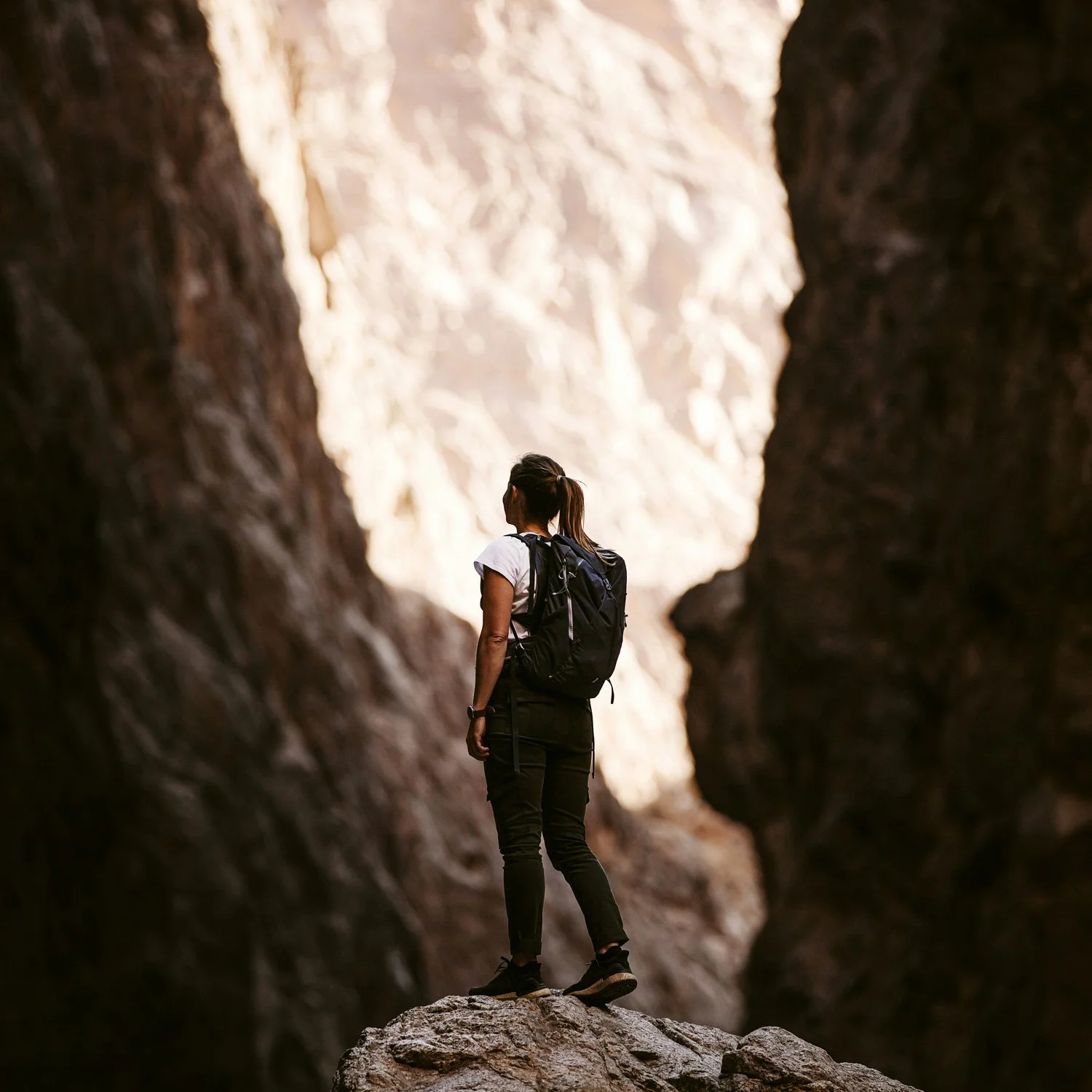
Hiking gear doesn’t need to be complicated, but it does need to be intentional. The right gear supports comfort, safety, and enjoyment on the trail, while poor gear choices can quickly turn an otherwise great hike into an uncomfortable experience. Understanding why each piece of gear matters is more important than owning the most gear.
Footwear forms the foundation of every hike, while proper socks, layered clothing, and a well-fitting backpack support comfort over time. Knowing what clothes to wear when hiking—especially how to layer for changing conditions—can make a significant difference in how long and how comfortably you’re able to stay on the trail. Accessories like hats, sunglasses, and sun protection can further improve longer outings.
Basic essential hiking gear includes:
Please note: this isn’t an exhaustive hiking gear list. While it covers many of the essentials, every trip has its own needs, and some situations may require gear that isn’t mentioned here.
Comfortable, broken-in hiking shoes or boots
Moisture-wicking socks (wool or synthetic)
Weather-appropriate layers (base layer, insulating layer, outer layer)
A well-fitting backpack
Water and a way to carry it
Snacks or simple food
Sun protection (hat, sunglasses, sunscreen)
A basic navigation option (map, app, or downloaded route)
At JoyWild, we believe gear should support presence, not distract from it. When your gear fits well and does its job quietly, it fades into the background—allowing the hike itself to take center stage and making it easier to return to the trail again and again.
Using Trekking Poles and Optional Gear
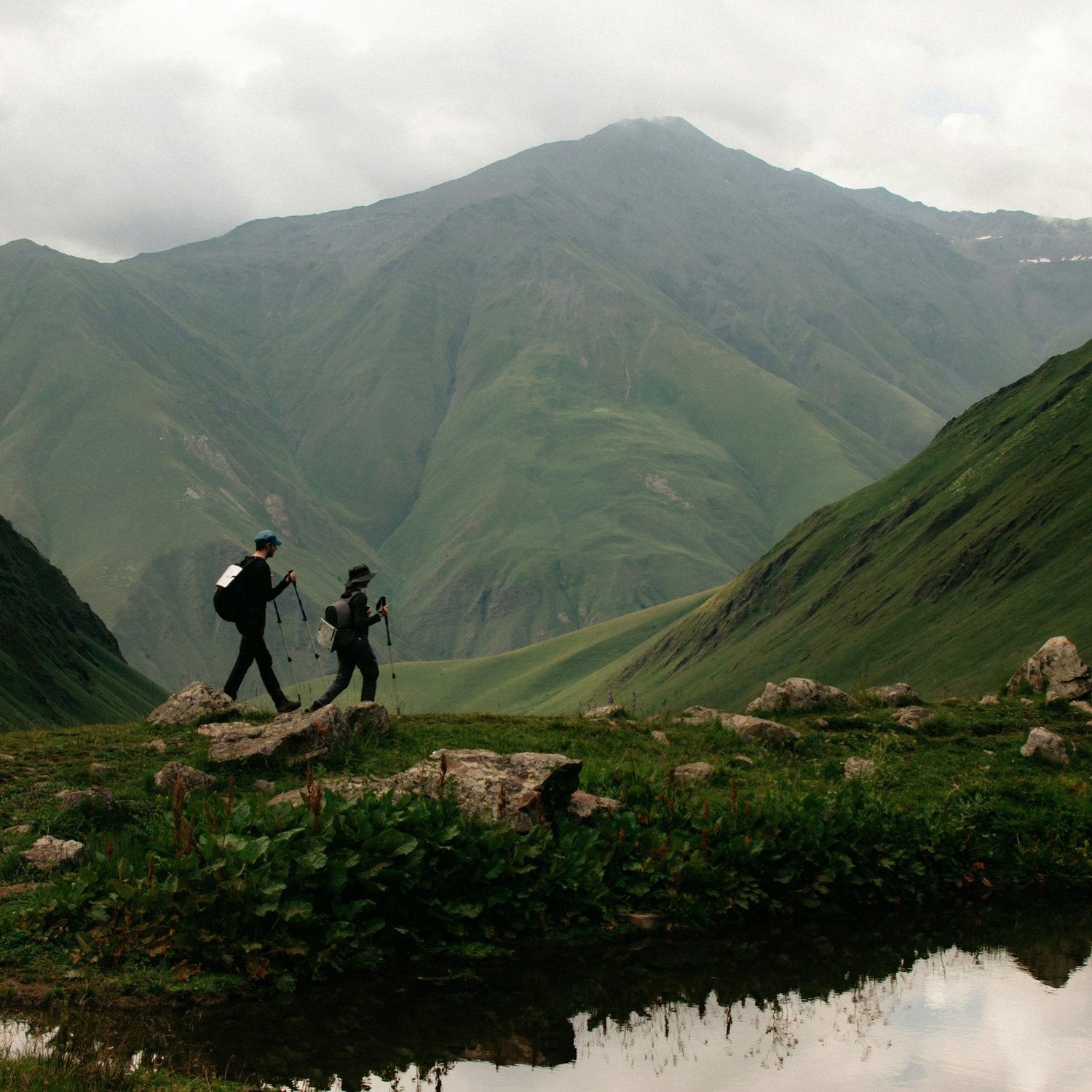
Some hiking gear is optional, but can make a noticeable difference in comfort and stability. Trekking poles are a good example—they help with balance, reduce strain on knees during descents, and provide extra support on uneven or slippery trails.
Poles are especially helpful on longer hikes, steep terrain, or when carrying a heavier pack. Like most gear, they’re a personal preference, but many hikers find they improve endurance and confidence over time.
Optional gear should support your experience, not complicate it. The goal is to move comfortably and enjoy the trail.
Hiking as a Practice, Not a Performance
Hiking doesn’t need to be optimized, tracked, or shared to be meaningful. Some of the most restorative hikes are ordinary on paper—familiar trails, average weather, no milestones. These are often the hikes that ground us the most.
This idea aligns closely with the JoyWild ethos. Hiking as a practice means showing up consistently, without expectation or comparison. It’s about choosing presence over performance and allowing time outdoors to shape you quietly, over time. Hiking grows alongside you. What starts as short walks may turn into longer routes, new environments, or simply more frequent time outdoors. Your reasons for hiking may change as seasons of life shift.
The trail remains a constant invitation.
Why Hiking Continues to Matter
Hiking endures because it’s simple, grounding, and deeply human. It reminds us that we don’t need elaborate plans or perfect conditions to step outside. A trail, a little time, and a willingness to move are often enough.
If you’ve been curious about hiking, consider this your invitation. Start small. Choose a nearby trail. Let the experience be exactly what it is. Getting outside and experiencing hiking for yourself is often the first step toward a deeper relationship with the outdoors.