
Suffering and Mountains
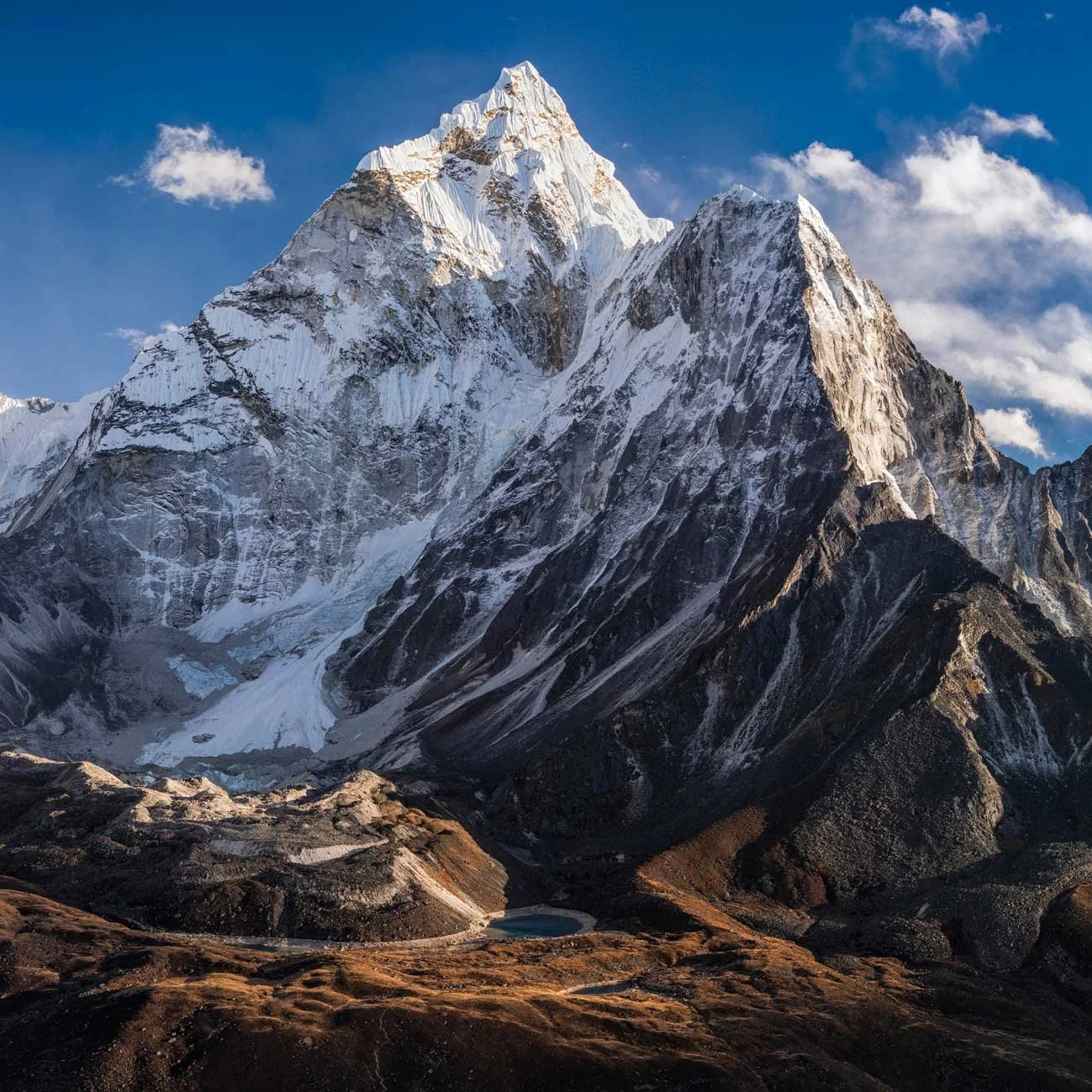
There’s a particular kind of clarity that only comes at elevation.
You climb for an hour.
Your lungs burn.
Your legs protest.
Then you crest the ridge—and the world opens.
The valley stretches for miles. The ridgelines layer into the distance. Clouds float like slow ships above peaks that were there long before you arrived and will remain long after you leave.
And suddenly, whatever felt enormous in your mind begins to shift.
Not because it disappears.
But because it is no longer the only thing in view.
The Honest Weight of Suffering
Suffering is all too real.
Painful loss.
Strained relationships.
Financial pressure.
Health concerns.
The quiet anxieties that wake you up at 3 a.m.
None of it is trivial. And pretending it is would be dishonest.
But suffering often becomes overwhelming because it fills the entire frame of our attention. When we live only within our own immediate concerns, everything feels absolute. Urgent. All-consuming.
Nature—especially mountains—widens the frame.
Scale Changes the Story
Stand at the base of a mountain and look up.
Its face rises thousands of feet above you. Rock formed over millennia. Snow shaped by seasons you didn’t witness. Wind carving its edges long before your worries existed.
The scale is humbling.
Your problem doesn’t vanish—but it shrinks relative to something larger.
This is not dismissal. It’s recalibration.
The mountain doesn’t mock your pain. It simply reminds you:
You are small.
Time is long.
Life is layered.
This moment is not the whole story.
Perspective isn’t the same as denial. It’s context.
Beauty and Hardship
Mountains hold a timeline you can feel.
They have endured:
Violent storms that split trees and triggered avalanches.
Long winters that buried everything in silence.
Lightning strikes, rockslides, and relentless winds.
Seasons of drought and seasons of abundance.
Spring thaws that flooded valleys below.
Wildflowers blooming across alpine meadows in brief, brilliant summers.
Thousands of quiet, majestic sunrises and sunsets.
They have known both brutality and beauty.
Erosion that would seem catastrophic in the short term—cracks in the rock, pieces breaking away—has, over centuries, carved faces and ridgelines that people now travel across the world to see.
What looked like loss became form.
What felt destructive became design.
Hardship and beauty are not opposites.
They often shape one another.
The mountain has seen collapse and renewal.
Barren winters and vibrant summers.
Damage and restoration.
And it’s still standing.
Silence Has a Way of Sorting Things
There’s another gift in high places: quiet.
Away from traffic and notifications, your thoughts settle. What felt chaotic begins to untangle. Problems that seemed intertwined start to separate into parts.
Some of them are real and require action.
Others are amplified by proximity.
Distance helps reveal the difference.
A mountain won’t solve your conflict, but it offers a quiet whisper toward steadiness—one that calls for clearer judgment and steadier hands.
You Are Small—And That’s Good News
Modern life constantly tells us that everything depends on us.
Our performance.
Our productivity.
Our ability to hold everything together.
But standing before a vast range reminds you that the world is not resting on your shoulders.
It never was.
You are part of something larger—something ordered, expansive, and not easily shaken.
There is relief in that.
Smallness, in this context, isn’t insignificance.
It’s freedom from thinking you control everything.
The Paradox of Perspective
Here’s the paradox:
When you feel small in nature, your inner world often feels steadier—not smaller.
The mountain doesn’t belittle your suffering. It accepts it without panic or judgement.
The suffering is still there.
But it is no longer the entire landscape.
Hope often begins quieter than we expect. It is not always certainty or clarity or immediate relief. It is simply the possibility that this pain is not the whole story.
There is Hope
Mountains don’t rush you toward solutions or demand optimism. They don’t pretend the storm wasn’t real. They simply stand.
And in their standing, they suggest something steady: this is not the first hard thing, and it will not be the last. They do not promise easy endings or quick healing.
But they remind you that strength can coexist with fracture. You can be weathered and still be standing.
The mountain invites you to let the suffering loosen its grip.
You are part of something bigger.
You are more than your suffering.
And even if this season is not okay, you can still be okay within it.
Your story is still being shaped.
There is hope.