
What to Bring to a Picnic
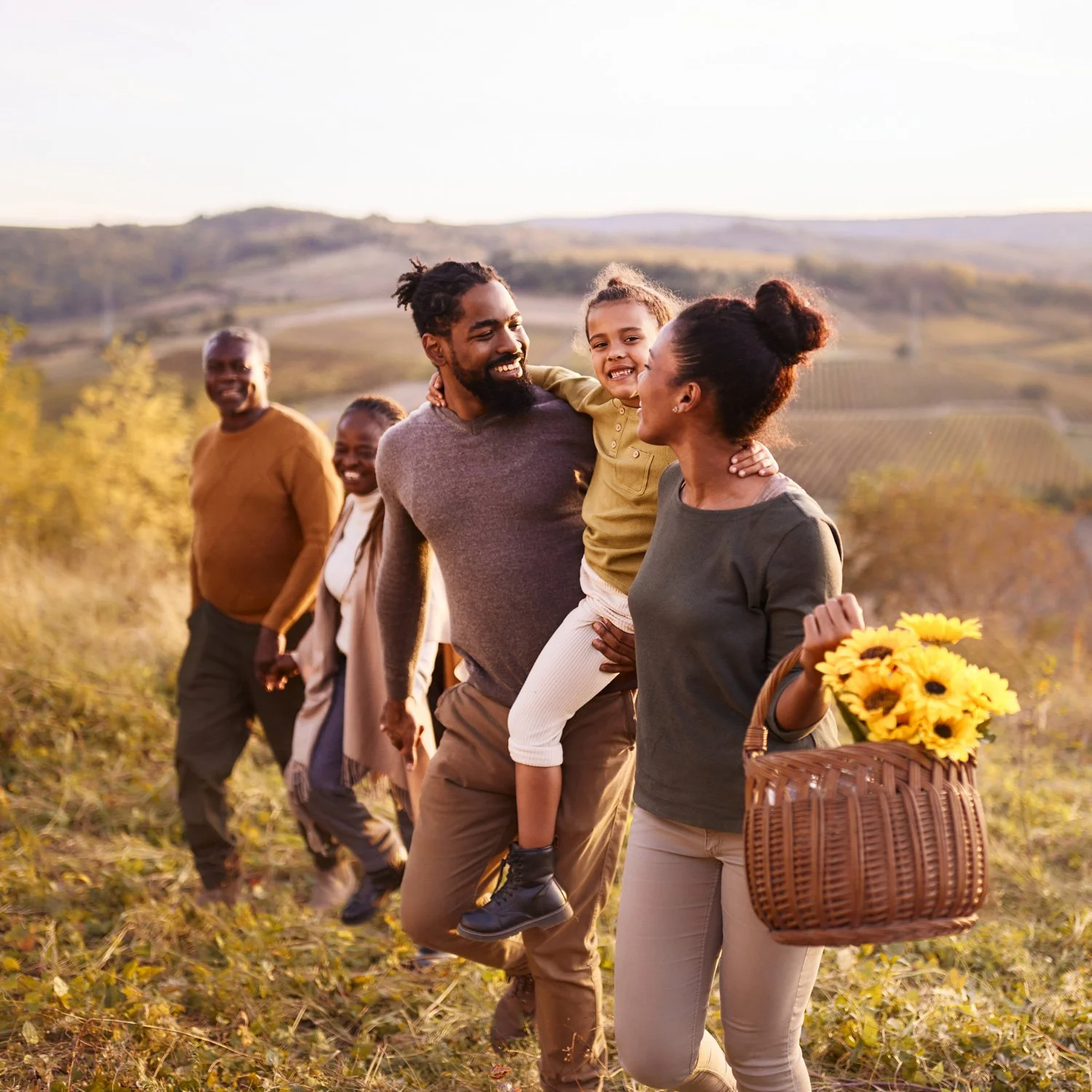
Don’t Overthink It
A picnic is one of those ideas that sounds effortless—until you start planning it. What begins as “let’s eat outside” can quickly turn into decisions about menus, containers, timing, and whether you’ve packed enough to make it feel worth it.
At JoyWild, we try to pull things back to their essence. A picnic doesn’t need to be impressive to be enjoyable. It’s simply a way to change your setting, slow your pace, and share a moment outdoors. This guide to what to bring to a picnic is meant to help you feel ready without turning a simple idea into something complicated.
Start With the Intention, Not the Checklist
Before packing anything, it helps to decide what you want the picnic to feel like. Is it a quick break in the middle of the day? A slow afternoon with friends? A quiet date that blends food and movement?
That intention should guide what you bring. A short lunch picnic doesn’t need backup options or extra gear. A longer afternoon might call for a bit more comfort. When you start with the experience instead of a checklist, it becomes much easier to keep things simple.
The Core Pieces That Make a Picnic Work
Every picnic, no matter how small, rests on the same foundation. You need a place to sit, food that’s easy to eat, something to drink, and a way to clean up afterward.
A blanket, towel, or jacket is usually enough. Food should be ready to eat when you arrive—no cooking, assembling, or balancing required. Drinks matter more than people expect, especially if you’re in the sun or walking beforehand. And a few napkins and a small bag for trash go a long way toward keeping the space pleasant for everyone.
If you have those things, you’re not missing anything essential.
Where to Have a Picnic
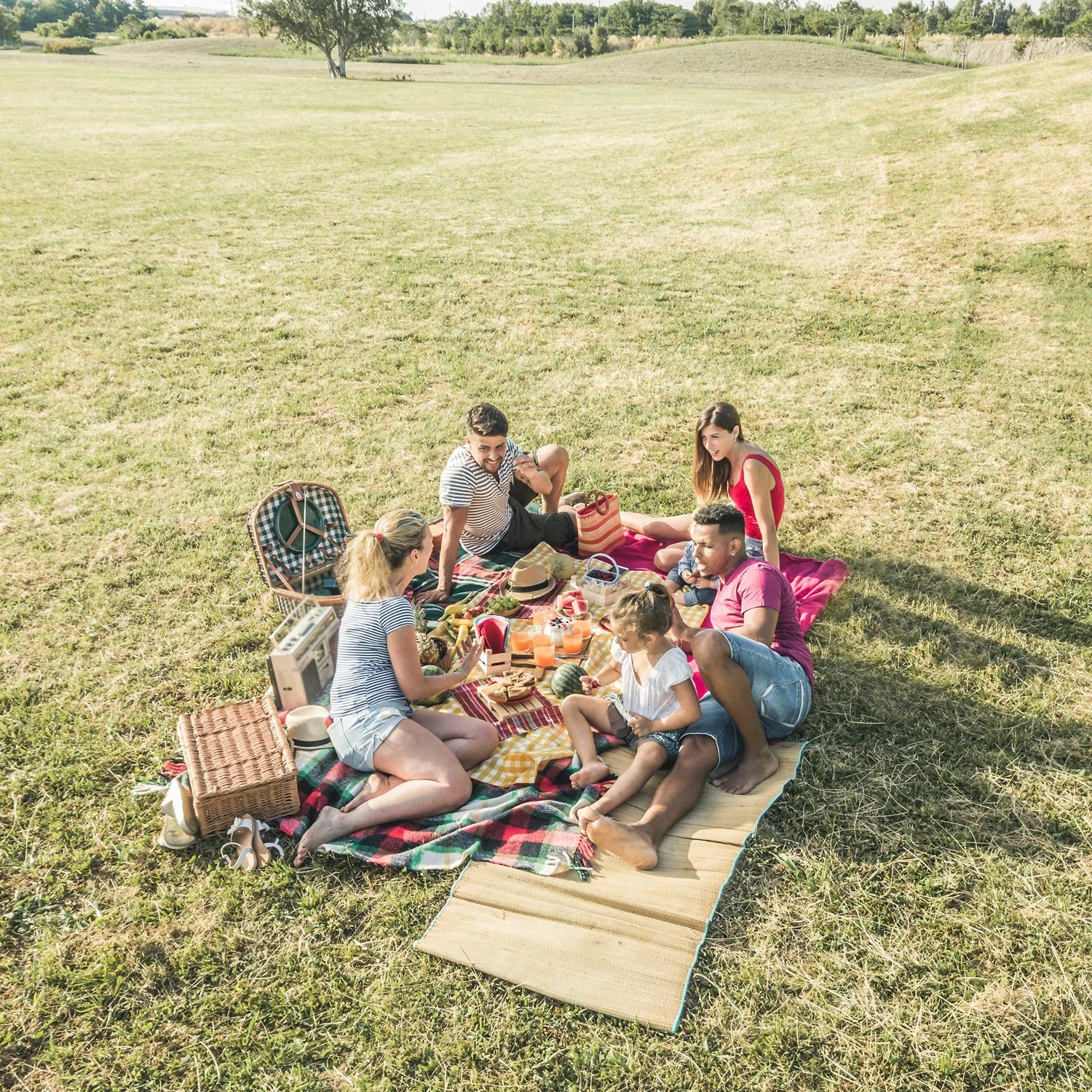
You don’t need a “perfect” place, but the right kind of place can quietly make the experience better. That said—the best picnic spots aren’t always the most scenic or planned. They’re the ones that make it easy to pause and stay awhile.
A local park is often the simplest option. You don’t need a destination park or a famous overlook. A patch of grass, a bench under a tree, or a quiet corner away from the path is more than enough. Familiar places work well because they remove friction—you already know how to get there, where to sit, and how long it takes.
Picnics also pair naturally with movement. A short walk, bike ride, or hike can lead into a picnic, turning the meal into a natural break rather than the main event. Trailheads, lakesides, and open spaces along a route are ideal for this kind of rhythm: move, pause, eat, continue.
Don’t overlook everyday places. A backyard, front porch, balcony, or even an open tailgate can become a picnic spot. Eating outside doesn’t require leaving town or carving out hours. Sometimes changing the setting by just a few feet is enough to shift how the moment feels.
The best place to have a picnic is wherever it feels easy to stop paying attention to the clock. If you can sit down, take a breath, and forget what’s next for a few minutes, you’ve found the right spot.
Food That Travels Well and Feels Right Outdoors
When thinking about what to bring to a picnic, it helps to choose food that suits being outside. Picnic food doesn’t need to be exciting—it needs to be practical.
Items that hold up without refrigeration for a while, don’t melt or spill easily, and can be eaten with your hands tend to work best.
Sandwiches or wraps
Baguette with cheese or spreads
Cut fruit (apples, grapes, berries, oranges)
Cheese and crackers
Hummus with veggies
Trail mix or nuts
Chips or pretzels
Pasta salad or grain salad
Hard-boiled eggs
Cookies, brownies, or simple pastries
Energy bars or snack bars
It’s also worth considering portions. Bringing fewer items in slightly larger quantities often works better than packing lots of different snacks. The goal is to eat, not curate.
Packing in a Way That Keeps Things Calm
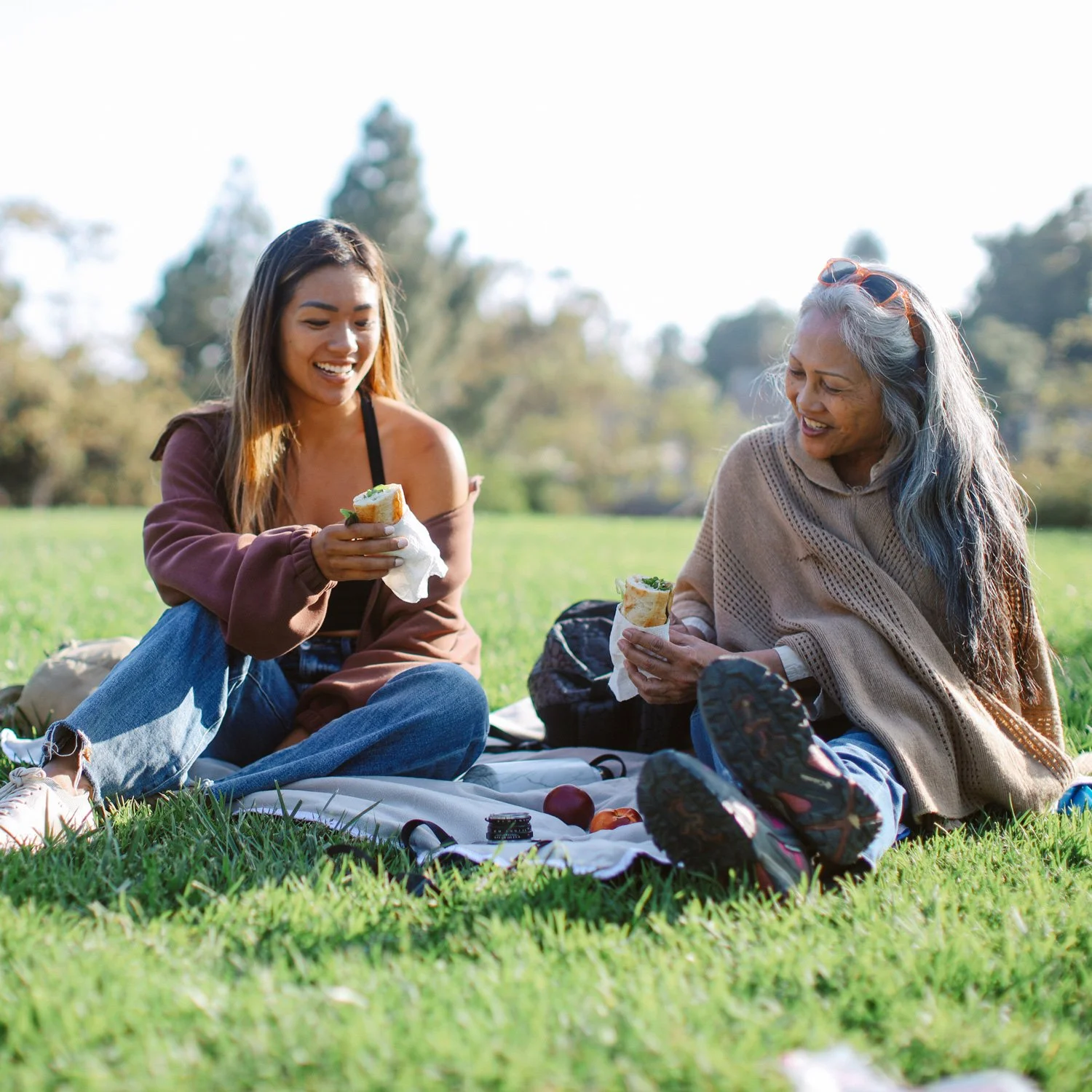
How you pack matters just as much as what you pack. Food that’s loosely tossed into a bag often arrives squished or leaking, which adds unnecessary stress to an otherwise relaxing moment.
Using sturdy containers, wrapping sandwiches tightly, and separating heavier items from lighter ones helps everything arrive in good shape. Pre-portioning snacks before you leave makes sharing easier and reduces mess once you’re settled.
A simple cooler or insulated bag can be useful if you’re bringing perishable items, but it’s not required for most short picnics. Use what you already have.
Drinks Set the Tone
Drinks often shape the mood of a picnic more than the food does. Water should always be the baseline, especially if you’re walking, hiking, or spending time in the sun.
Beyond that, think about what fits the moment. Coffee or tea can turn a picnic into a slow morning ritual. Sparkling water or lemonade feels refreshing on a warm afternoon. A shared beverage can make the experience feel intentional without adding much effort.
The key is choosing drinks that travel easily and don’t require extra equipment to enjoy.

A Few Thoughtful Additions (Only If They Add Ease)
A picnic doesn’t need extras to be enjoyable—but a few small, well-chosen items can make it feel more comfortable and unrushed. The key is bringing things that support the experience rather than distract from it.
A small knife or cutting tool can be surprisingly useful. It gives you flexibility to slice fruit, bread, or cheese on the spot and makes simple food feel a little more intentional. Along the same lines, packing food in sturdy containers or pre-portioning snacks before you leave helps everything stay tidy and easy to share, which keeps the focus on being together instead of managing mess.
Comfort matters more the longer you stay. An extra layer can make it easier to linger if the temperature drops or the sun fades. Sunscreen or bug spray can be worth packing depending on the setting—not because they’re exciting, but because discomfort is often what cuts a good moment short.
If you’re hoping to slow down, consider bringing something that invites pause. A book you don’t mind setting aside, a notebook for jotting thoughts, or even a simple camera can help you settle into the moment. They’re there to support the moment, not distract from it.
Music can work the same way. A small speaker playing quietly can set a tone, but it should stay in the background. If it starts to dominate the space or pull focus, it’s probably better left in the bag.
When in doubt, ask yourself a simple question: Will this make it easier to stay longer?
If the answer is yes, it might be worth bringing. If it adds weight, decisions, or setup, it’s likely unnecessary.
Thoughtful additions aren’t about doing more. They’re about removing friction so the picnic can unfold naturally.
What to Bring on a Picnic Date
A picnic date is less about the setup and more about the shared experience. Instead of trying to impress with an elaborate spread, bring a few things you genuinely enjoy and want to share.
One thoughtful item—like a favorite dessert, drink, or homemade treat—often feels more meaningful than a long list of options. Layers are helpful if you plan to stay through changing weather or light. Leaving room for a walk, a short hike, or unstructured time together keeps the date from feeling rushed.
Picnics pair naturally with movement, which is why they work so well alongside outdoor dates. If you like the idea of combining food with exploring, JoyWild’s guide to hiking date ideas offers inspiration for keeping things simple and connected to the outdoors.
What to Bring to a Picnic With Friends
Picnics with friends tend to unfold best when they’re loose and unstructured. Shareable food encourages people to move around, talk, and stay awhile. An extra blanket or two helps create a sense of space without assigning seats or roles.
Games, music, or activities can be fun, but they’re not required. Often, the most memorable part of a group picnic is the conversation that happens once everyone settles in and stops checking the time.
Let the gathering shape itself.
Picnics Can Be Small—and That’s the Point
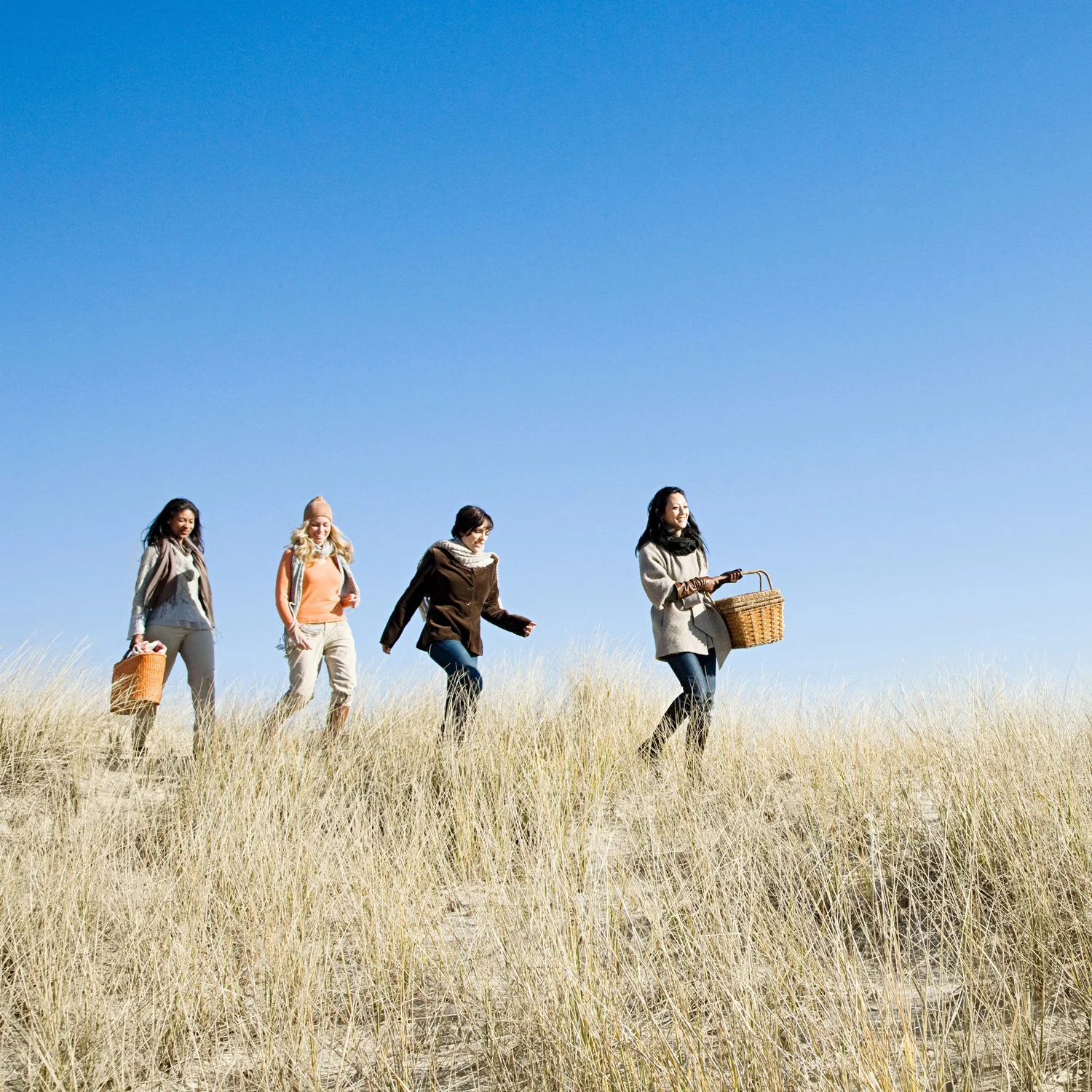
One of the most important things to remember when deciding what to bring to a picnic is that a picnic doesn’t have to be a big event.
It can be a short lunch eaten outside instead of at your desk. Coffee and a pastry on a park bench. Dinner on a blanket as the sun goes down. These small moments count just as much as planned outings.
Outdoor experiences don’t need to be grand to be meaningful. A simple picnic is one of the easiest ways to step outside, slow down, and create space for connection—without adding another thing to manage.
Bring less. Stay longer. Enjoy where you are.