
20 Micro Adventures You Can Do After Work

Adventure Doesn’t Have to Wait
Most days don’t end with a burst of energy or inspiration. They end quietly—laptops closing, lights dimming, dinner decisions being made. That’s exactly why adventure so often gets postponed. We assume it requires lots of time, planning, or a lighter calendar.
But adventure doesn’t have to wait.
Micro adventures you can do after work are small, intentional experiences that fit into real evenings. They’re designed to work with limited time and energy, not against it. You don’t need a weekend or a reset—just a willingness to step slightly outside your routine.
What are micro adventures?
Micro adventures are short, accessible experiences that create contrast in everyday life. They usually happen close to home, last less than an hour, and don’t require special gear or preparation.
What makes them an adventure isn’t distance or difficulty—it’s intention. A micro adventure asks you to be present, curious, and open, even in familiar places. That’s why micro adventures you can do after work are so effective—they fit where real life actually happens.
Why after work is the perfect time
After work is a threshold moment. You’re already transitioning from output to rest, from structure to freedom. Your mind is ready to release the day, but hasn’t fully shut down yet.
Micro adventures work best in these in-between spaces. They help you close the workday intentionally instead of letting it bleed into the rest of the evening.

Common barriers micro adventures remove
Micro adventures succeed because they quietly remove the reasons we often default to doing nothing at all. They don’t demand too much extra time or energy, and they don’t require planning ahead. Most importantly, they challenge the idea that small moments don’t count.
Instead of waiting for ideal conditions, micro adventures meet you exactly where you are.
20 Micro Adventures You Can Do After Work
1. Sunset walk with a destination
Rather than walking just to move your body, choose a place where you can watch the sun go down. Let the changing light set the pace. This simple shift turns a routine walk into a closing ritual for the day.
2. Backyard fire
Light a fire pit, grill, or a few candles outside and sit until the light fades. Fire naturally slows attention and invites stillness without requiring effort or conversation.
3. One-hour local hike
Pick a trail close to home and set a firm turnaround time. You don’t need to reach a summit. The goal is simply to change environments and let your mind follow your body into a different rhythm.
4. Eat dinner somewhere unexpected
Take an ordinary meal and eat it outside—on a park bench, a picnic table, or even your front steps. Changing the setting often changes how the evening feels.
5. Silent errand run
Run one errand without music, podcasts, or scrolling. Pay attention to the sounds around you and the pace of your movement. What usually feels like a chore can become quietly grounding.
6. The JoyWild 30-Day Challenge
The JoyWild 30-Day Challenge offers guided micro adventures designed for busy lives. Each day includes a small, doable prompt—many of them ideal for after work—that removes decision fatigue and helps you build consistency without pressure.
7. Explore an unfamiliar neighborhood
Drive a few minutes beyond your usual radius, park, and walk without a plan. Let curiosity guide your turns. Even familiar towns hold places you’ve never really seen.
8. Evening swim or cold-water dip
If you have access to water, take a brief swim or dip. Keep it short and notice how your body feels afterward. Few experiences mark the transition from work to evening more clearly.
9. Creative time outdoors
Bring a notebook, camera, or sketchpad outside and create without goals. Being outdoors often quiets perfectionism and allows creativity to feel lighter and more playful.
10. Night walk under the stars
Walk after dark and look up often. Familiar places feel different once the sun is gone, and even short walks can feel expansive beneath an open sky.
11. Evening reset stretch outside
Step outside with a mat, towel, or just the ground and stretch slowly for ten to twenty minutes. Follow tight spots, breathe deeply, and let the light change around you. Doing this outdoors turns simple movement into a true reset.
12. Trailhead sit-and-snack
Drive to a nearby trailhead or open space and stay put. Sit, eat a simple snack, and let the environment signal that the workday is finished.
13. Slow bike ride with no route
Ride without tracking distance or speed. Turn when something catches your attention. This kind of movement emphasizes awareness over achievement.
14. Outdoor journaling pause
Spend ten or fifteen minutes writing outside. Reflection often feels easier in open air, where thoughts don’t feel as heavy or confined.
15. Dusk wildlife watching
Sit quietly near trees, water, or open land and watch what emerges as daylight fades. Stillness becomes the activity.
16. Tomorrow-preview walk
Walk tomorrow’s route—whether it’s a run, commute, or stroll—just to experience it without pressure. Familiar paths feel different when you’re not rushing through them.
17. Visit a local lookout
Find a nearby hill, bridge, or overlook and spend a few minutes with the view. Perspective has a way of shrinking stress and widening attention.
18. Barefoot grounding moment
If conditions allow, stand or walk barefoot on grass, dirt, or sand. Pay attention to texture and temperature. It’s a simple way to reconnect with your body after a long day.
19. Light-watching walk
Notice how artificial light and shadows transform familiar places. Just bring your curiosity and a willingness to slow down.
20. Do nothing outside—on purpose
Set a short timer and sit outdoors without distraction. Don’t try to relax or be productive. Let boredom arrive if it wants to. Often, it opens the door to noticing.

How to choose the right micro adventure tonight
If deciding still feels like effort, start by asking what you need most. Low energy evenings pair well with sitting, stretching, or simply being outside. Mental overload often responds to walking, water, or silence. Restlessness tends to ease through movement or exploration. Disconnection is often softened by creativity, shared meals, or presence.
Naming the need usually points you toward the right choice.
Micro adventures by time available
Even short windows are enough. Ten or fifteen minutes can be grounding. Half an hour allows for exploration or creativity. An hour opens space for movement and deeper transitions. What matters isn’t the length—it’s the intention.
Common mistakes with micro adventures
Micro adventures tend to lose their power when they’re treated like workouts, productivity tools, or content to document. Overplanning, waiting for perfect conditions, or skipping them because they feel “too small” often misses the point.
They work best when they remain simple and unmeasured.
Micro adventures and Achieving work life balance
For many people, achieving work life balance feels like a distant goal—something to figure out later, when life slows down or schedules become more reasonable. But balance rarely appears all at once. It’s built through small, repeatable choices made inside real days.
Micro adventures help because they don’t ask you to overhaul your life. They simply create boundaries. They give the workday a clearer ending and the evening a sense of intention. Instead of work bleeding endlessly into personal time, something meaningful marks the transition.
In that way, micro adventures aren’t an escape from responsibility. They’re a practice in balance by design—choosing moments of presence, movement, and rest before exhaustion forces them on you. They can also be a helpful reminder that work isn’t the only thing allowed to shape your days.
When you’re ready for longer adventures
Micro adventures often do something unexpected: they remind you that you like being outside. That you feel better when you slow down, move your body, or share time in simple ways. For many people, that curiosity eventually grows into a desire for something a little longer.
When that happens, the shift doesn’t have to be dramatic.
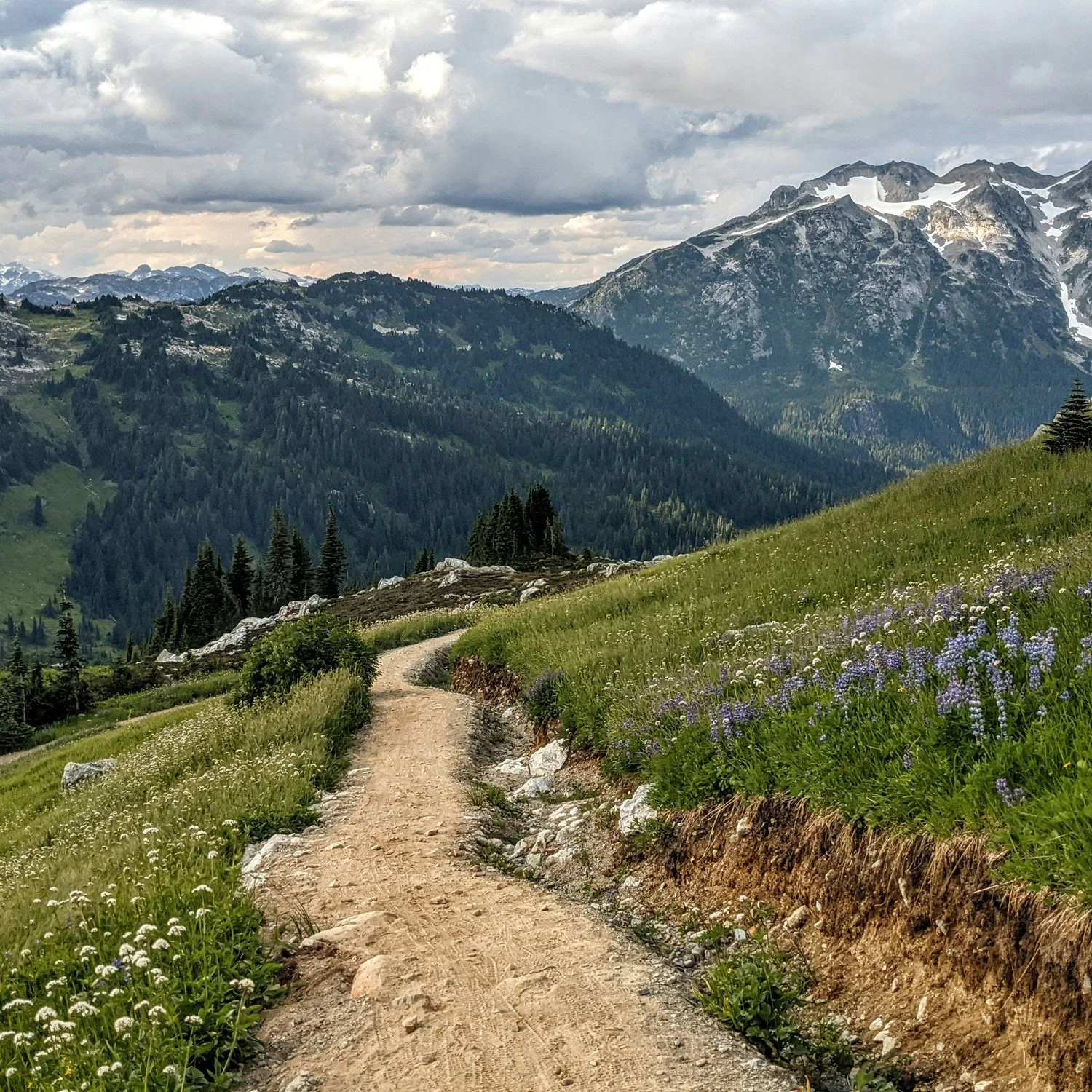
A weeknight sunset walk might turn into a weekend picnic. A short evening hike might spark interest in learning how to plan a hiking trip that feels manageable instead of overwhelming. The key is building confidence through small experiences first.
Longer adventures are easier when they stay simple. Knowing what to bring to a picnic—a blanket, easy food, water, and a flexible mindset—often matters more than finding the perfect location. The same goes for overnight trips. Most camping tips for beginners come down to comfort and preparation, not complexity: staying warm, eating well, and choosing a setup that matches your experience level.
Micro adventures aren’t a replacement for longer trips. They’re a pathway to them. They help you notice what you enjoy, what feels energizing, and what kind of adventure fits your life right now.
When you let small moments lead, bigger ones tend to follow—naturally, and in their own time.

Why micro adventures matter
Micro adventures aren’t about escaping your life. They’re about engaging with it differently.
They create contrast. They interrupt routine. They remind you that meaning doesn’t require a major reset—just a small shift in attention.
If you’ve been waiting for more time, more energy, or a perfect plan, micro adventures you can do after work offer another option: start where you are, with what you have.
And if you want help turning that intention into a habit, the JoyWild 30-Day Challenge offers a simple, guided place to begin.