10 Hiking Tips for Beginners
How to Start Strong and Enjoy the Trail
Getting into hiking doesn’t require the perfect gear, expert-level fitness, or months of preparation. It simply begins with curiosity and a willingness to step outside. Still, there are often questions about how to plan a successful hiking trip. A few practical hiking tips for beginners can make your early experiences far more enjoyable and confidence-building. Whether you’re exploring a neighborhood trail or dipping your toes into mountain hiking, these foundational tips will help you start off on the right foot.
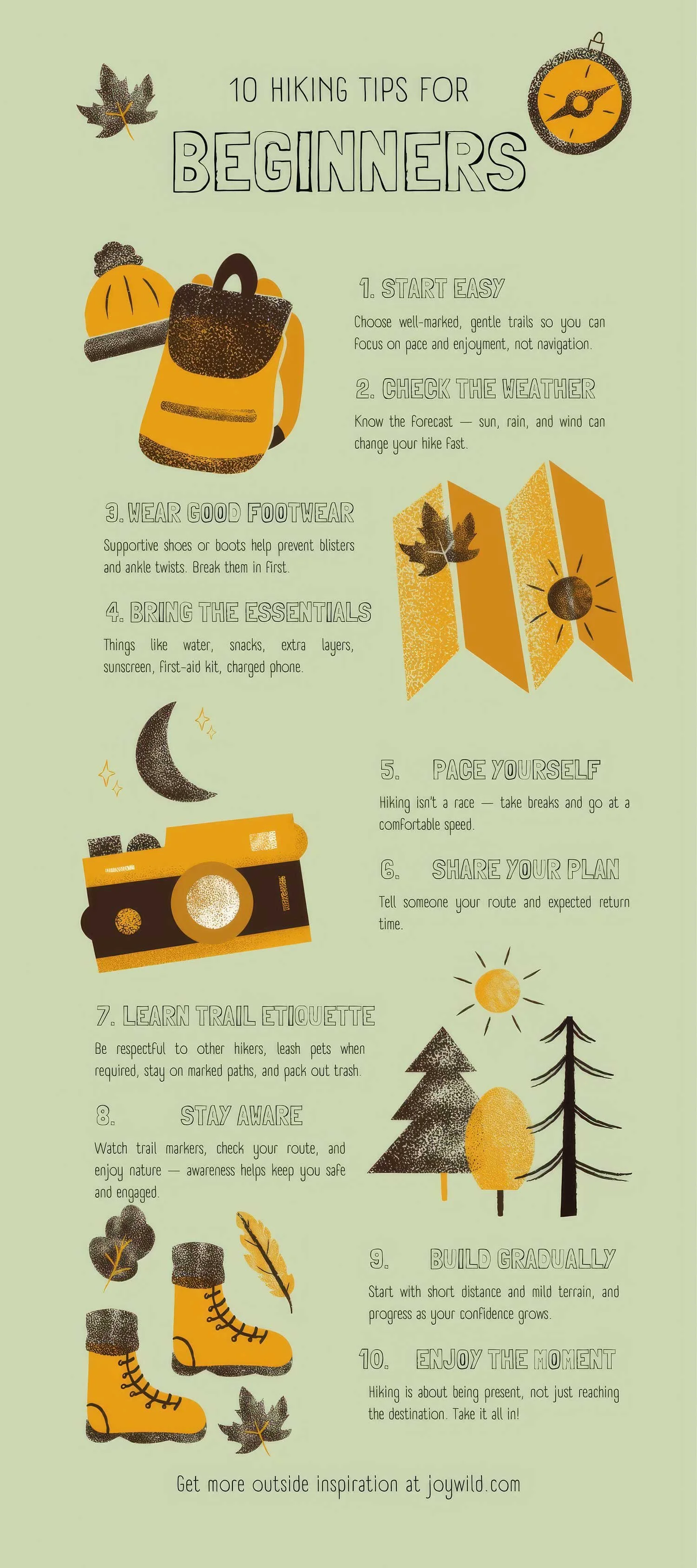
You can read the article or skip straight to the infographic.
Start with Easy, Well-Marked Trails
When you’re just beginning, choose trails that are gentle and straightforward. Shorter routes with clear signage let you relax into the movement and enjoy the landscape instead of worrying about navigation. Starting on beginner-friendly trails helps you understand your natural pace, get used to uneven terrain, and learn what types of environments you enjoy most—dense forests, open vistas, riverside paths, or wide sunny meadows. Ease is your friend early on; it sets you up for a steady, sustainable progression.
Check the Weather Before You Go
Weather plays a bigger role in your hike than you might expect. A warm day can turn uncomfortably hot on exposed ridgelines, sudden clouds can bring in cold winds, and unexpected rain can make rocks slick and roots treacherous. Checking the forecast before you leave helps you avoid unpleasant surprises and gives you the chance to adjust your clothing, pack, or route if needed. One of the simplest hiking tips for beginners is also one of the most important: respect the weather, because the environment changes quickly.
Wear the Right Footwear
Your shoes shape the entire hiking experience. They are one of the most important pieces clothing you wear while hiking. Supportive, well-fitting footwear helps prevent blisters, offers stability on uneven ground, and makes every step more comfortable. Hiking shoes or boots are often ideal, but a good pair of athletic shoes with solid tread can work when you’re starting out. Whatever you wear, break them in on shorter walks first so your first longer hike doesn’t come with painful surprises.
Bring the Essentials—Even on Short Hikes
Hiking doesn’t require a heavy pack, but having a few basics can make a big difference. Water, snacks, and an extra layer keep you prepared for changing conditions or unexpected fatigue. Sunscreen, a small first-aid kit, and a charged phone add an extra layer of safety. Even if you never need these items, having them along brings peace of mind and lets you focus fully on the moment.
Pace Yourself and Take Breaks
One of the most overlooked hiking habits—especially for beginners—is pacing. Move at a comfortable speed, take breaks whenever you need them, and give yourself permission to slow down on steeper stretches. Hiking is not a race; it’s an experience. Pausing for a sip of water or a deep breath isn’t a sign you’re struggling—it’s part of learning how your body handles the trail. And often, those pauses offer some of the best moments of the day.
Learn Basic Trail Etiquette
A welcoming trail is one where everyone feels respected. Simple etiquette—like yielding to uphill hikers, keeping dogs leashed when required, and packing out your trash—helps maintain clean, safe, enjoyable outdoor spaces. Staying on the trail protects plants and wildlife and preserves the natural beauty for others. A friendly greeting as you pass fellow hikers adds to the shared sense of community that makes hiking special.
Stay Aware of Your Surroundings
Trail awareness isn’t about fear—it’s about presence. Trails sometimes split or curve unexpectedly, and staying mindful helps you avoid wrong turns. Notice trail markers, check your map now and then, and occasionally glance back so you recognize the route on your return. Being aware of your surroundings also deepens the experience. You begin to notice textures in the landscape, shifts in light, subtle sounds, and tiny details that make each trail its own little world.
Build Up Gradually
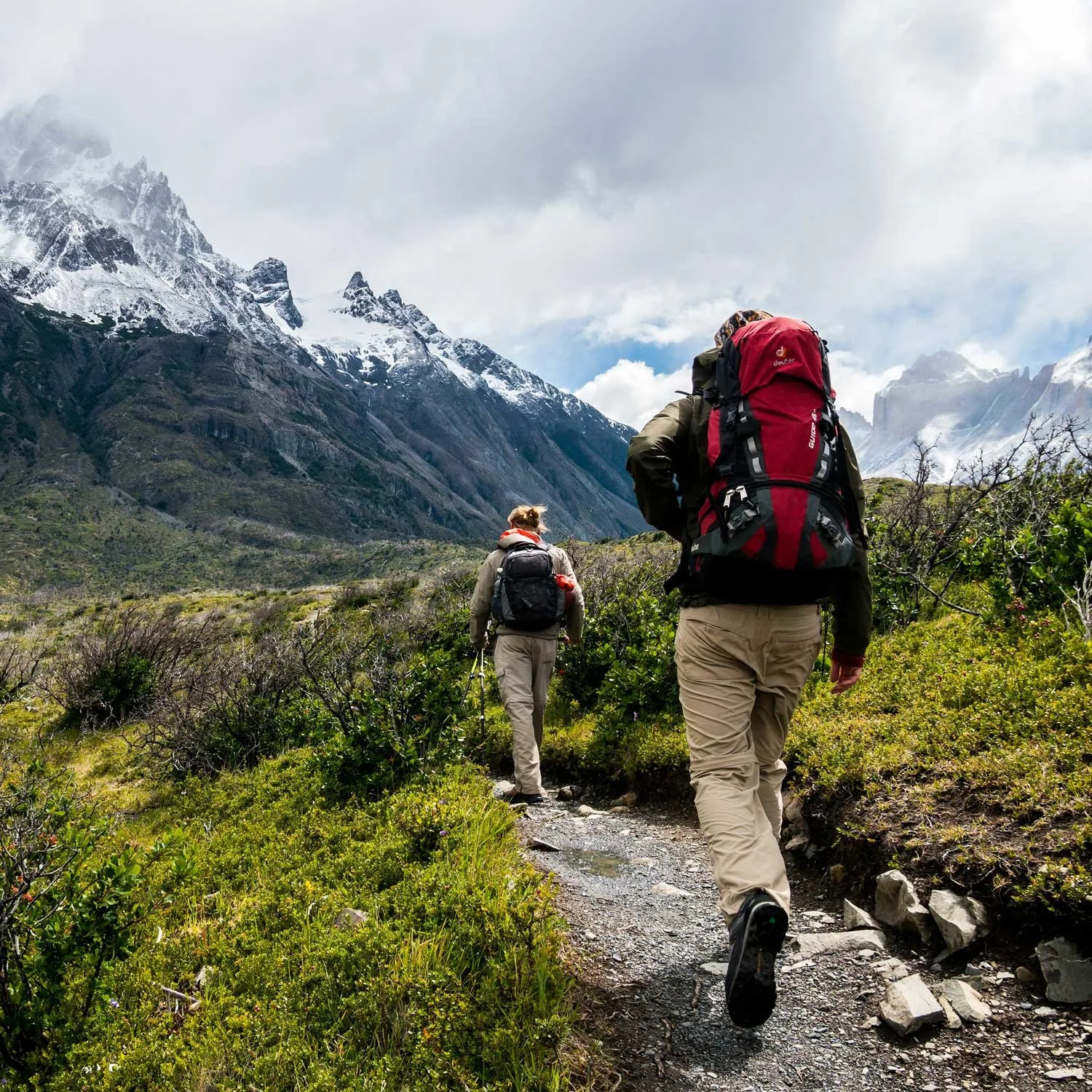
Another important hiking tip for beginners is you don’t feel pressure to tackle long or challenging hikes right away. Start small and let your comfort grow naturally. Over time, you’ll find your legs getting stronger, your balance improving, and your confidence increasing with every outing. Gradual progression helps you avoid injury and keeps hiking accessible and fun—not something you dread or push through.
Hike with a Friend or Share Your Plan
Hiking with a partner is both enjoyable and smart. If you prefer to hike alone, simply share your plan with someone you trust: where you’re going, when you’re starting, and when you expect to return. It’s a quick habit that adds an important layer of safety as you build your comfort outdoors.
Enjoy the Moment
At its core, hiking is an invitation to slow down. Let yourself take in the movement of the wind, the feel of the trail under your feet, the change in temperature as you step into the shade. Hiking becomes richer when you give yourself permission to notice the small things. The more present you are, the more this simple activity becomes a restorative one.
Hiking Tips for Beginners—Final Thoughts
These hiking tips for beginners are meant to help you approach the outdoors with confidence, curiosity, and ease. You don’t need every piece of expensive gear or extreme athleticism to get started—you only need a willingness to explore. As you spend more time outside, you’ll discover what kinds of trails energize you, what gear you prefer, and how hiking helps you reconnect with yourself and the natural world.