
What Clothes to Wear for Hiking
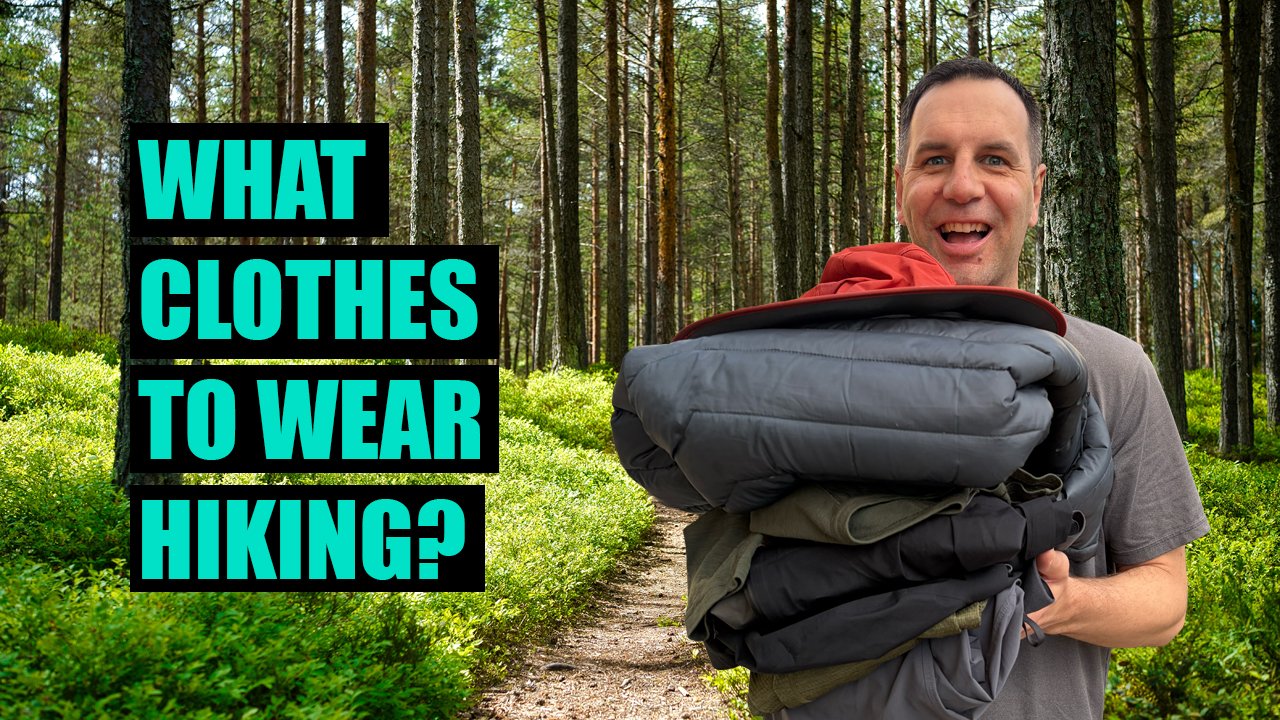
A Simple Guide to Staying Comfortable on Any Trail
If you’re new to the outdoors, figuring out what clothes to wear for hiking can feel confusing. But it doesn’t have have to be. The right outfit helps you stay comfortable, dry, and able to enjoy the trail without fuss. This simple guide walks you through what to wear, what not to wear, and why layering matters—so you feel confident every time you step outside.
Start With a Good Shirt
When choosing what clothes to wear for your next hiking trip, start with a simple shirt that dries quickly. Stay away from heavy cotton, which gets damp and stays that way. A lightweight athletic shirt or merino wool tee works well because these fabrics pull sweat away from your skin and help you stay dry.
Pick Pants or Shorts You Can Move In
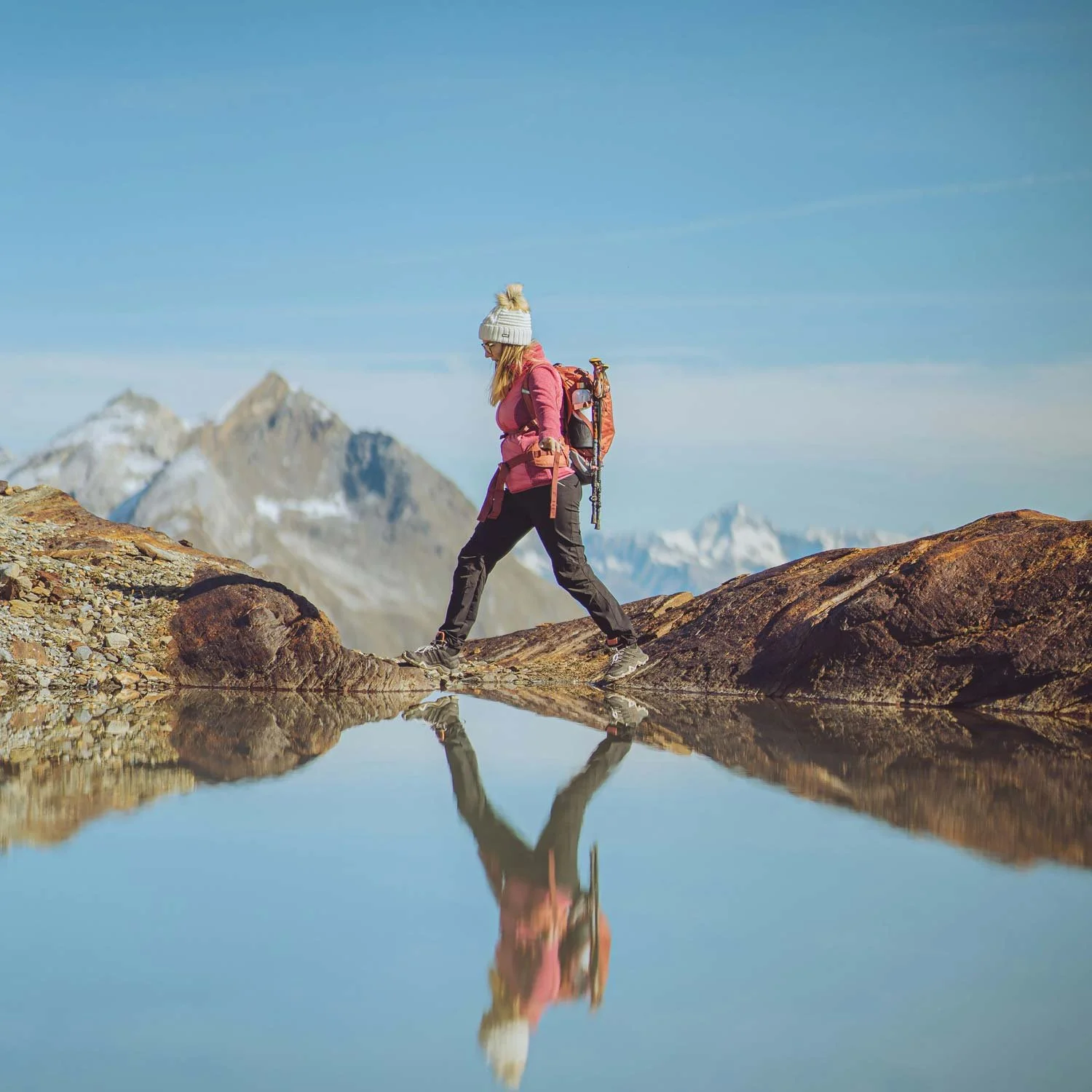
Comfort and mobility matter more than anything. Great options include:
Lightweight hiking pants
Shorts for warm days
Leggings made for exercise or outdoor use
If you expect tall grass, bugs, or scratchy brush, pants offer more protection. On open sunny trails, shorts keep you cooler. The key is choosing something that won’t weigh you down or stay wet if you sweat or get caught in a quick shower.
Bring a Warm Layer
Even on mild days, temperatures can shift quickly—especially in the shade, at higher elevation, or as the wind picks up. Thinking about what clothes to wear for hiking means always tossing in a warm layer: a fleece, light sweater, or thin puffy jacket are often good choices in moderate weather.
Pack a Jacket for Wind or Rain
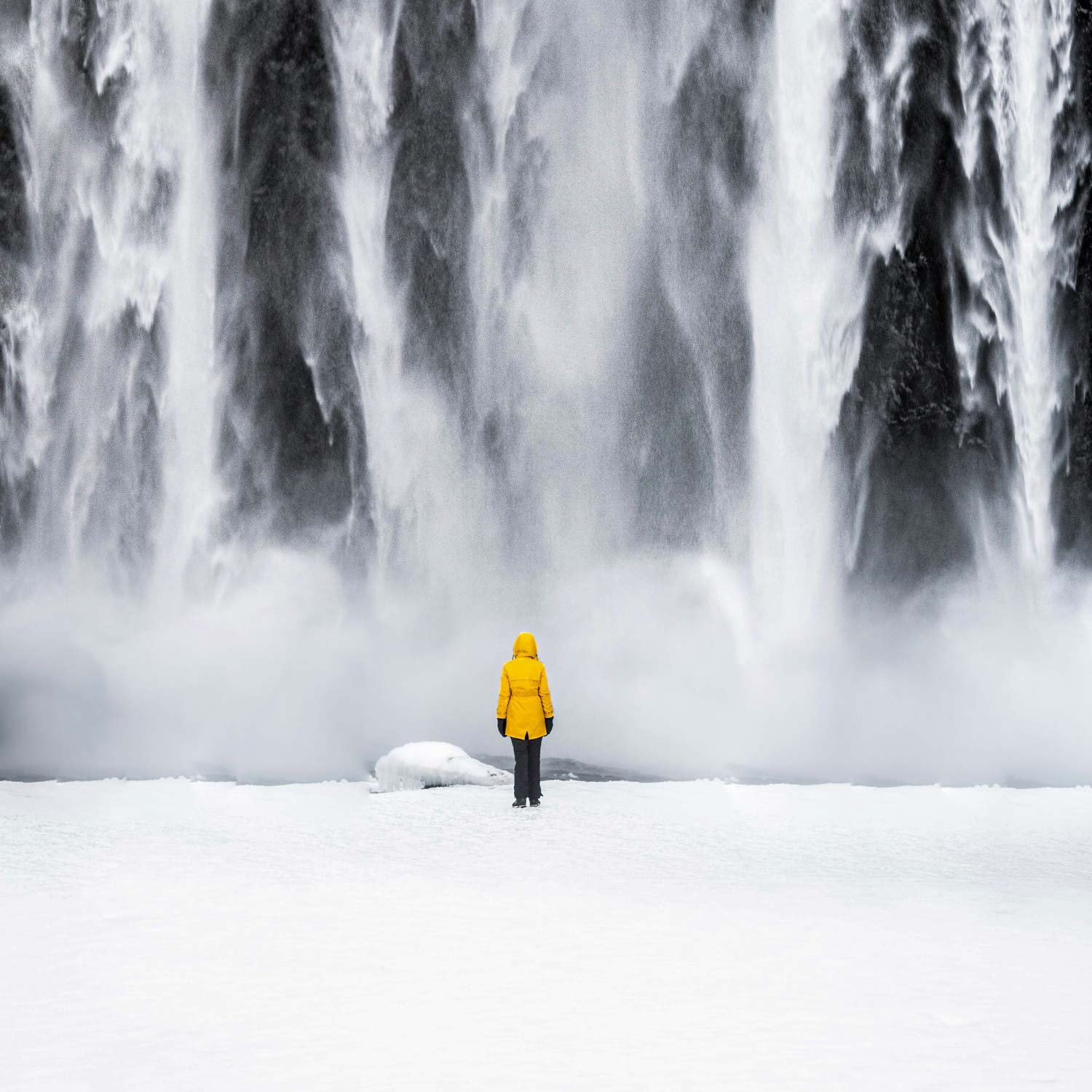
Weather in the outdoors can change in minutes. A lightweight windbreaker or rain jacket is one of the smartest things you can bring when planning your next hiking trip. Look for something that blocks wind, sheds water, and packs down small. You may not need it—but you’ll be glad you have it if the weather shifts.
The Importance of Layering
One of the most helpful things to understand when choosing what clothes to wear for hiking is layering. Instead of relying on one bulky jacket, wear a few lighter pieces you can add or remove.
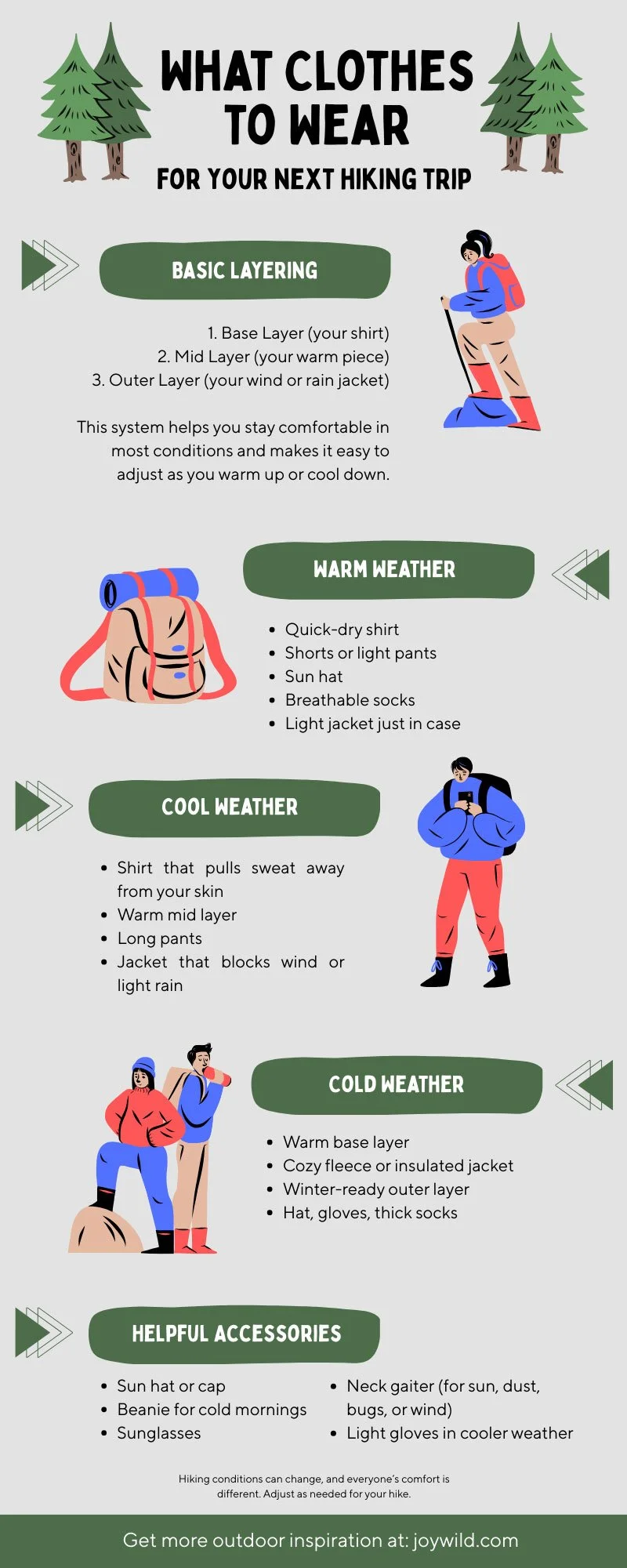
A simple layering system looks like this:
1. Base Layer (your shirt)
Keeps sweat off your skin so you stay dry and comfortable.
2. Mid Layer (your warm piece)
Adds warmth when temperatures drop.
3. Outer Layer (your wind or rain jacket)
Protects you from wind, rain, and sudden weather changes.
This system helps you stay comfortable in most conditions and makes it easy to adjust as you warm up or cool down.
Know Your Hike (A Simple But Overlooked Step)
Before choosing what clothes to wear for hiking, think about the trail itself:
Sunny, open trails: go for breathable clothes, a hat, and sun protection
Wooded or buggy trails: long sleeves and pants protect from insects and branches
Rocky or wet terrain: shoes with good traction and quick-drying clothes help a lot
Mountain or unpredictable weather: bring extra layers even on warm days
A little planning goes a long way toward a more enjoyable hike.
What NOT to Wear for Hiking
Knowing what clothes to wear for hiking is important—knowing what to avoid is just as helpful. Skip these:
Heavy cotton or jeans
They soak up moisture, dry slowly, and can make you feel cold.
Slippery or fashion sneakers
They’re great for the street, but they may not offer the grip or support you need outdoors.
Bulky jackets
Unless you really need them of course! Generally, they're heavy, hot, and hard to pack away.
Sandals without toe protection
It’s easy to stub toes on rocks and tree roots.
Clothes you care about too much
Brush, mud, and dirt happen. Don’t wear anything precious.
Jewelry or loose accessories
They can snag on branches or become uncomfortable on long hikes.
Avoiding these common mistakes helps you stay comfortable and safe.

Wear the Right Socks and Shoes
Your feet are doing the real work, so show them some love. Wearing the right footwear is one our top hiking tips for beginners.
Socks
Choose wool or synthetic blends that keep your feet dry and help prevent blisters. Avoid cotton socks.
Shoes
Trail runners, hiking shoes, or lightweight boots can all work depending on the terrain. More extreme terrain may require studier shoes. In any case, pick something with good grip and support. And if you buy new shoes, break them in on a short walk before using them on a long hike.
Helpful Accessories
These small items often make a big difference:
Sun hat or cap
Beanie for cold mornings
Sunglasses
Neck gaiter (for sun, dust, bugs, or wind)
Light gloves in cooler weather
What Clothes to Wear for Hiking by Season
Warm Weather
Quick-dry shirt
Shorts or light pants
Sun hat
Breathable socks and comfy shoes
Light jacket just in case
Cool Weather
Shirt that pulls sweat away from your skin
Warm mid layer
Long pants
Jacket that blocks wind or light rain
Cold Weather
Warm base layer
Cozy fleece or insulated jacket
Winter-ready outer layer
Hat, gloves, thick socks
The basics stay the same—you just adjust your layers to match the temperature.
Stay Comfortable and Get Outside
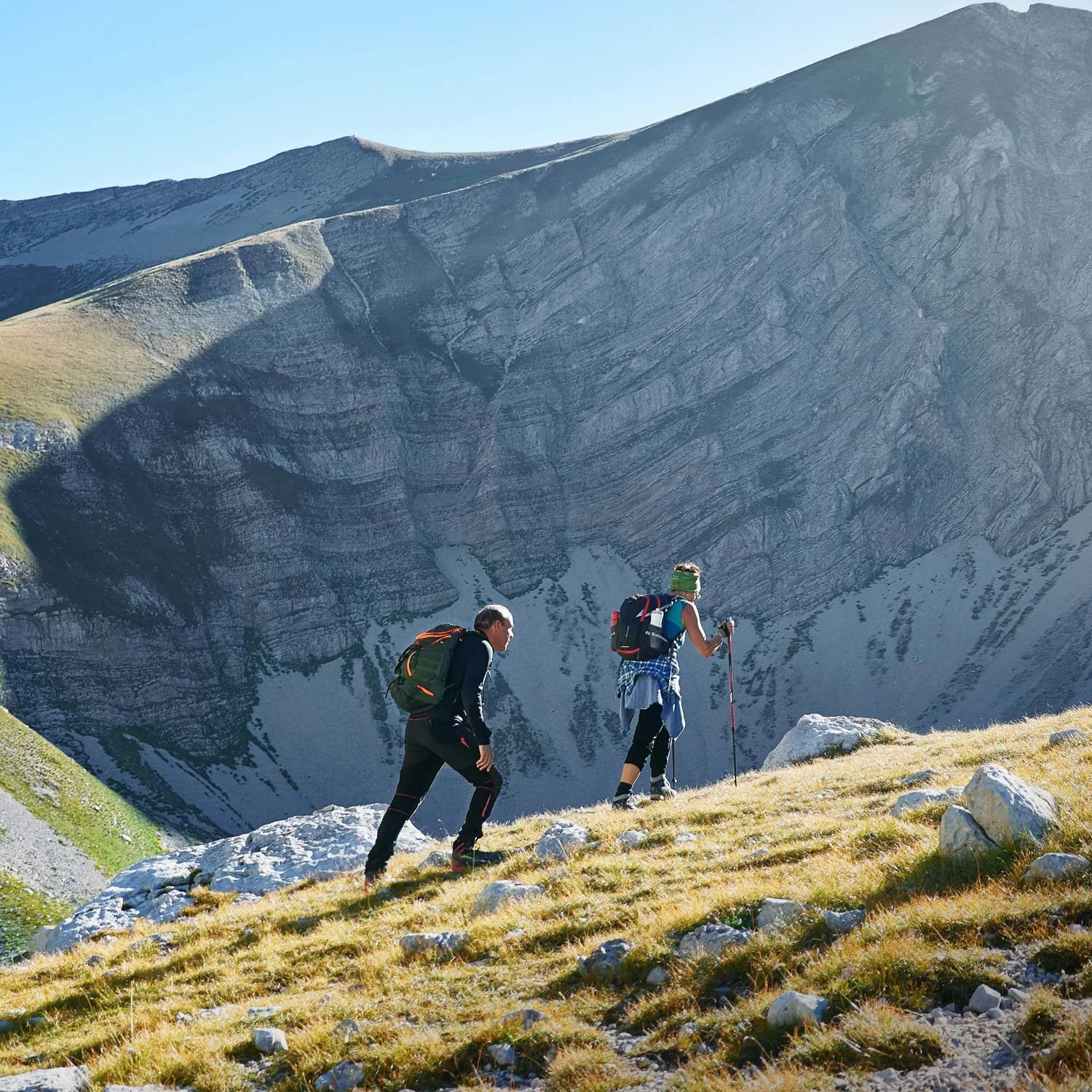
Choosing what clothes to wear for hiking is really about staying comfortable so you can enjoy your time outside. Pick clothes that dry quickly, layer so you can adapt to changing weather, and avoid anything heavy or restrictive. With the right combination, you’ll feel confident heading out on just about any trail.