How to Plan a Hiking Trip
Simple Tips for a Safe, Enjoyable Adventure
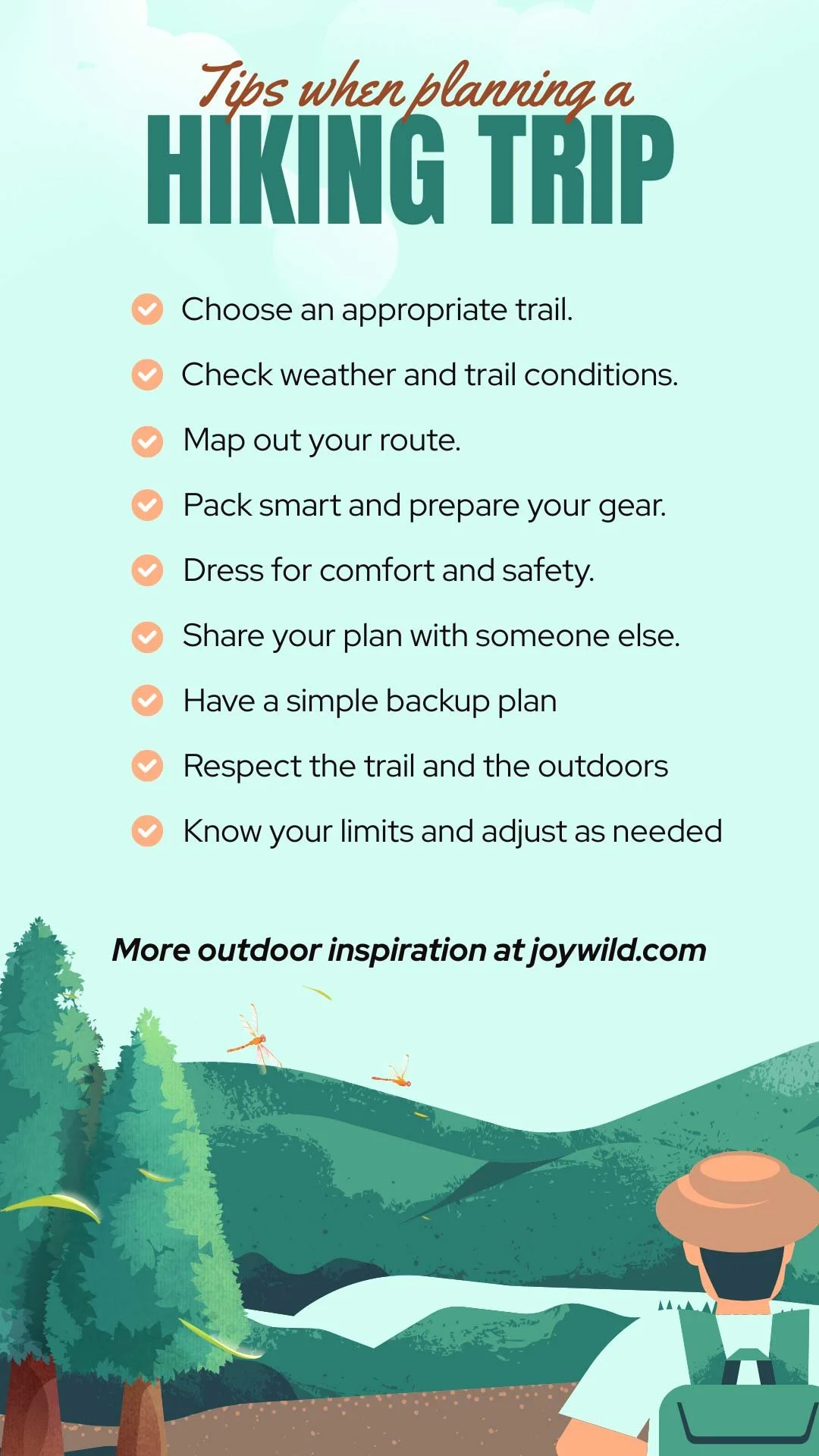
Learning how to plan a hiking trip doesn’t have to feel intimidating. With a little preparation, even your first hike can feel smooth, safe, and rewarding. Whether you’re heading out for a simple day trip or preparing for a multi-day backpacking adventure, thoughtful planning helps you get the most out of your time on the trail.
Start by Choosing the Right Trail
The first step in figuring out how to plan a hiking trip is choosing a trail that fits you. Think beyond just mileage. Consider the kind of experience you want, whether that’s a quiet route with few people or a popular path with plenty of company. Think about how you handle elevation, how long you want to be on your feet, and whether rugged terrain excites you or wears you out.
It’s also wise to match the trail to your current fitness and experience level. If you’re newer to hiking, start with easier, well-marked routes before jumping into steep climbs or rocky scrambles. Hiking is progressive—the more you do it, the more challenging trails you can take on confidently.
Season and timing matter too. Some trails only shine during certain months, while others may be unsafe depending on snowpack, heat, storms, or wildfire conditions. For backpacking trips, permits or hut reservations may shape when you can go. Many hikers find that choosing the route first—and the dates second—leads to a better experience overall.
Tips for Beginners Planning Their First Hike
If you’re just getting started, learning how to plan a hiking trip might feel like a lot, but it truly doesn’t have to be. Beginners often think they need specialized gear, advanced fitness, or complicated planning, but getting started can be very simple.
Here are some hiking tips for beginners:
Begin with short, well-marked trails that are close to home. These allow you to understand what hiking feels like without big elevation changes or long hours on your feet.
Pay attention to how your shoes feel, whether your backpack fits comfortably, and how much water you naturally drink. These small observations help shape future hikes.
There’s no need to rush. Go at a pace that feels comfortable, take breaks when you want, and enjoy the scenery.
Hiking is a gradual skill—you build endurance, timing, and confidence with each trip. As you gain experience, you’ll naturally gravitate toward longer, more adventurous trails.
Planning Depends on the Type of Hike
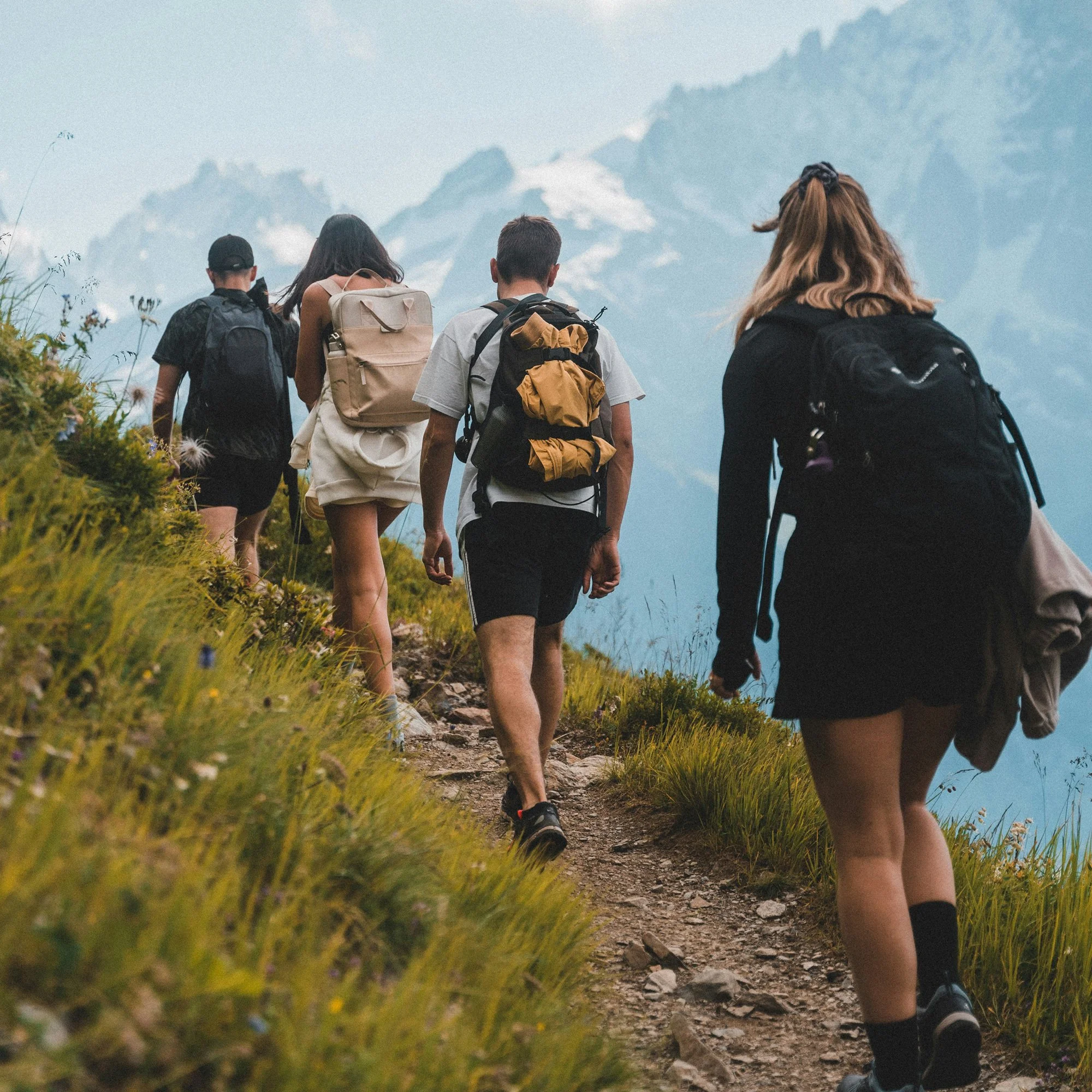
A big part of learning how to plan a hiking trip is understanding what kind of hike you’re preparing for.
Day hikes are the simplest. You’ll choose a route, pack food and water, dress in layers, and bring basic navigation tools. Your main focus is comfort, timing, and weather.
Backpacking trips take more planning. You’ll need to consider where you’ll sleep, how you’ll get water, what food you’ll carry, and whether your gear is suitable for overnight conditions. Your pack will be heavier and your pace slower, so each day requires a little thought.
Specialized hikes—high-altitude routes, winter outings, desert trails, or remote wilderness trips—may require extra research and specialized gear. These plans take more time but reward you with extraordinary experiences.
Check Weather, Trail Conditions, and Seasonal Factors
Weather is a major part of hiking preparation. Look for temperature changes, wind, storms, and shifting conditions throughout the day. Mountain trails can be dramatically cooler at the top, while exposed trails can be dangerously hot in summer.
Trail reports also reveal important details like snow, mud, downed trees, or wildlife warnings. A few minutes of research can help you avoid challenges or adjust your plans early.
Map Out Your Route and Understand Your Options
Before heading out, get familiar with the route. Download or print a map, look at major turns or intersections, and estimate how long the hike will take you. Setting a clear turnaround time ensures you’re not hiking after sunset, even if the trail takes longer than expected.
Some trails have optional detours or scenic side paths. You don’t need to overplan these, but knowing what’s available can be fun. Most hikers stick to the classic main route their first time and explore variations later.
Pack Smart and Prepare Your Gear
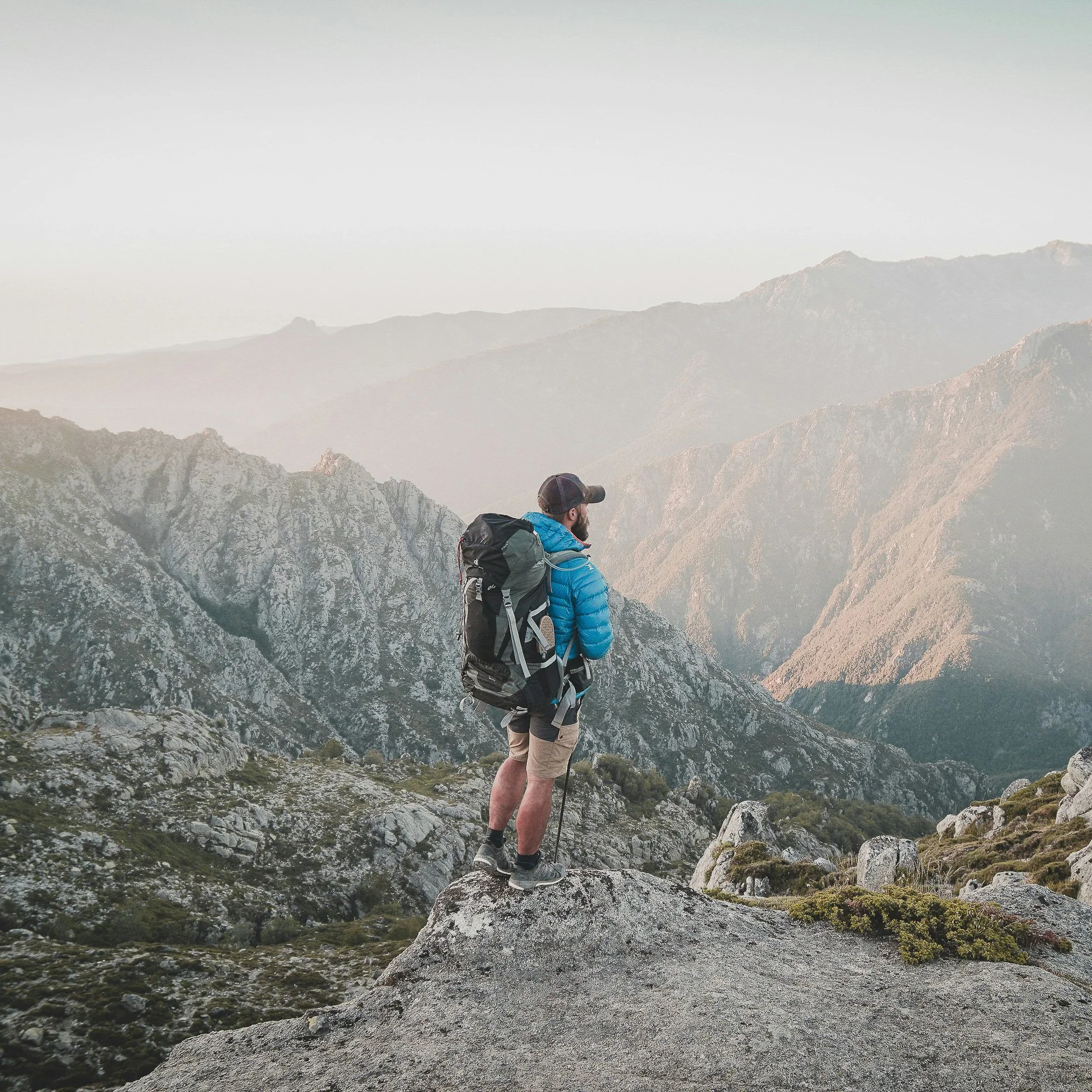
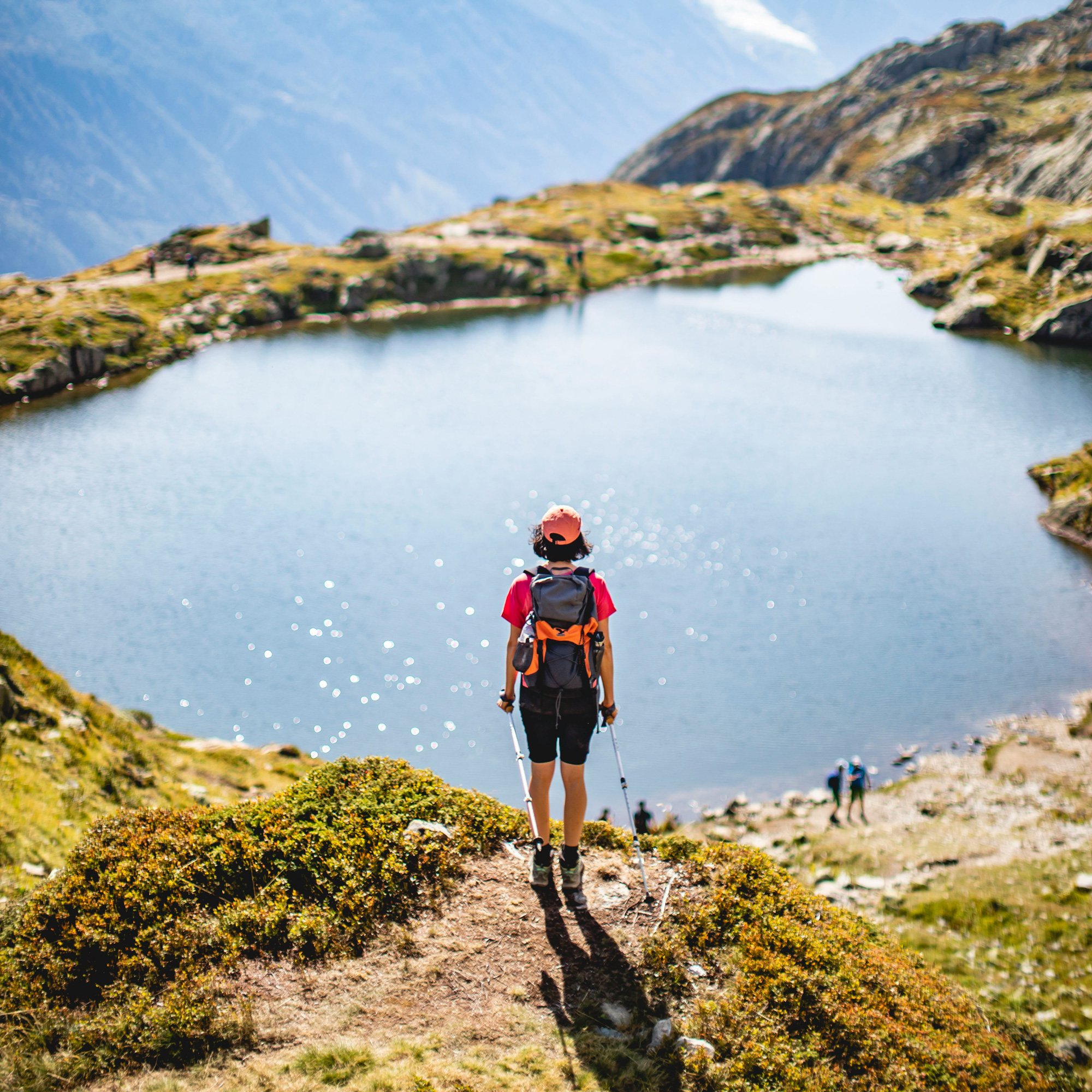
Packing well is one of the clearest parts of how to plan a hiking trip. Bring plenty of water, snacks, and clothing layers that help you adapt to shifting weather. Sunscreen, sunglasses, a hat, and a small first-aid kit all add comfort and peace of mind.
If you’re using new gear—especially boots, backpacks, or clothing—it’s worth testing them on a short walk or quick day hike. Breaking in your shoes and getting used to any extra weight helps prevent blisters, sore spots, or surprises on the trail.
Even for short hikes, carry a headlamp. It’s lightweight and invaluable if the trail takes longer than expected. A whistle, emergency blanket, or multi-tool offers extra safety without much bulk.
Dress for Comfort and Safety
Wearing the right clothing for hiking makes a big difference. Moisture-wicking layers help you stay comfortable across temperature changes. Sturdy hiking shoes or trail runners provide better grip and support than casual sneakers. Cotton tends to hold moisture, so avoid it on longer hikes.
Share Your Plan With Someone
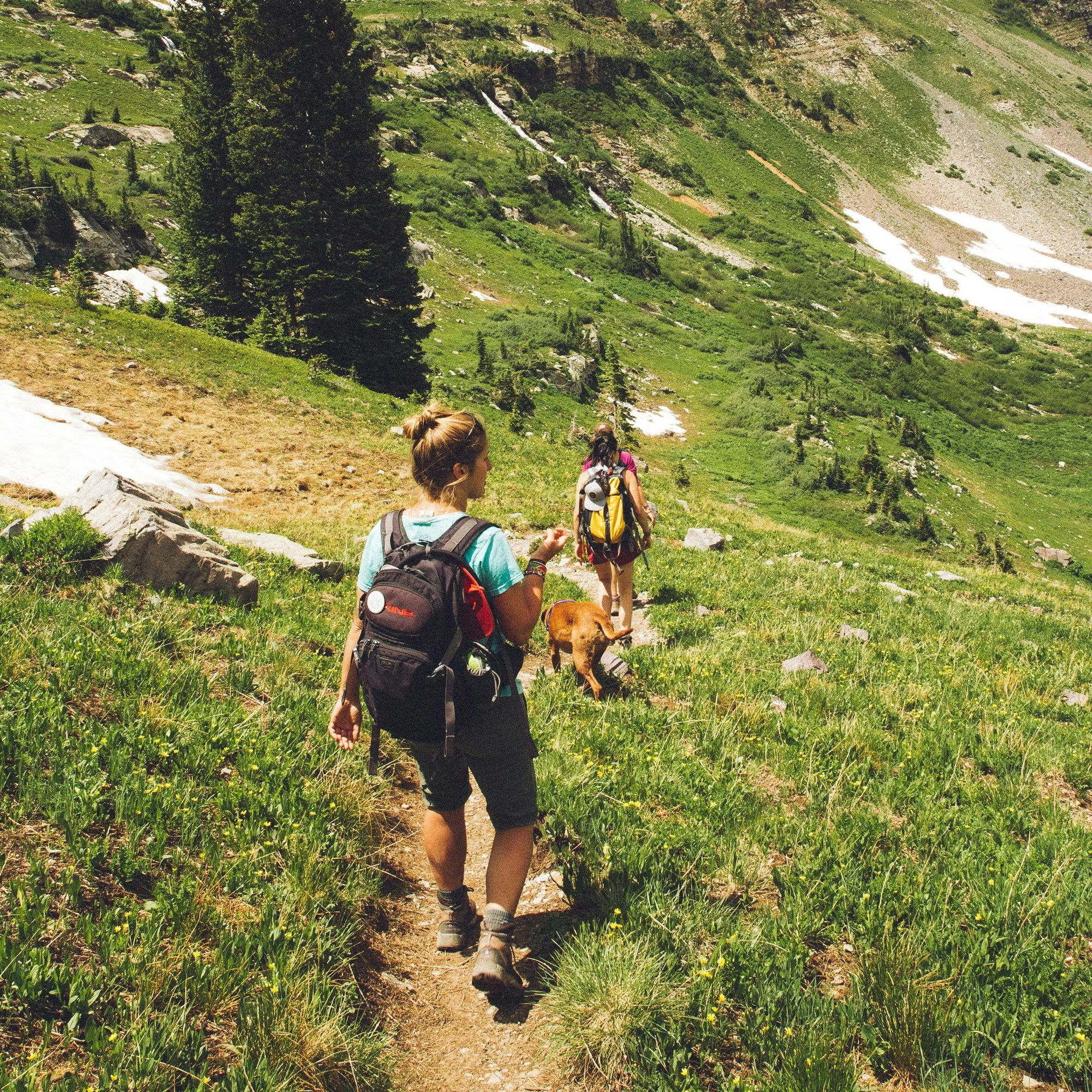
Let someone know where you’re going. Share your chosen trail, who you’re hiking with, and when you expect to return. It’s a small effort that can make a huge difference if something unexpected happens.
Have a Simple Backup Plan
One helpful mindset in learning how to plan a hiking trip is staying flexible. Identify a second trail option or an alternate turnaround point. If weather shifts or the trail feels tougher than expected, you’ll already have a plan that keeps the day enjoyable.
Offline maps, a saved itinerary, or emergency contact info add another layer of security. Small steps like these make hiking feel more relaxed and less rushed.
Respect the Trail and the Outdoors
Follow Leave No Trace principles: stay on marked paths, pack out what you pack in, keep a respectful distance from wildlife, and leave natural objects where you find them. Protecting the trail protects the experience—for you and everyone after you.
Know Your Limits and Adjust as Needed
Even with great planning, conditions can change. If weather turns quickly, the trail becomes harder than expected, or something feels off, it’s okay to turn around. Hiking is meant to be enjoyable, not forced.
It Gets Easier to Plan a Hiking Trip
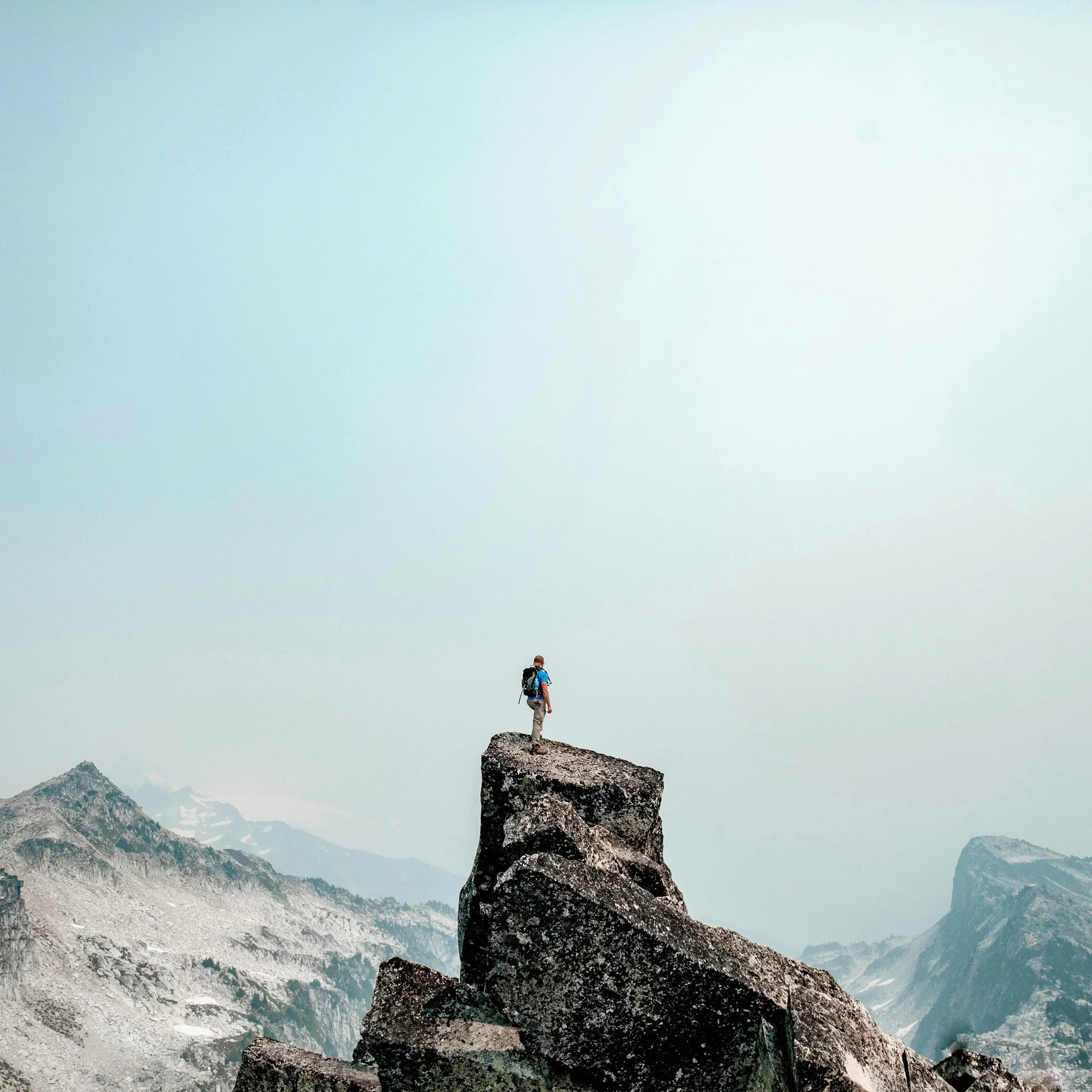
Learning how to plan a hiking trip gets easier with every hike you take. Think of hiking as a practice—each trip builds your confidence, strength, and sense of what you enjoy. Start simple, learn what works for your body, and gradually take on bigger adventures.
With thoughtful preparation and a willingness to adapt, you’re well on your way to a safe and memorable experience on the trail.