
What Is Car Camping?
Camping Made Simple and Convenient
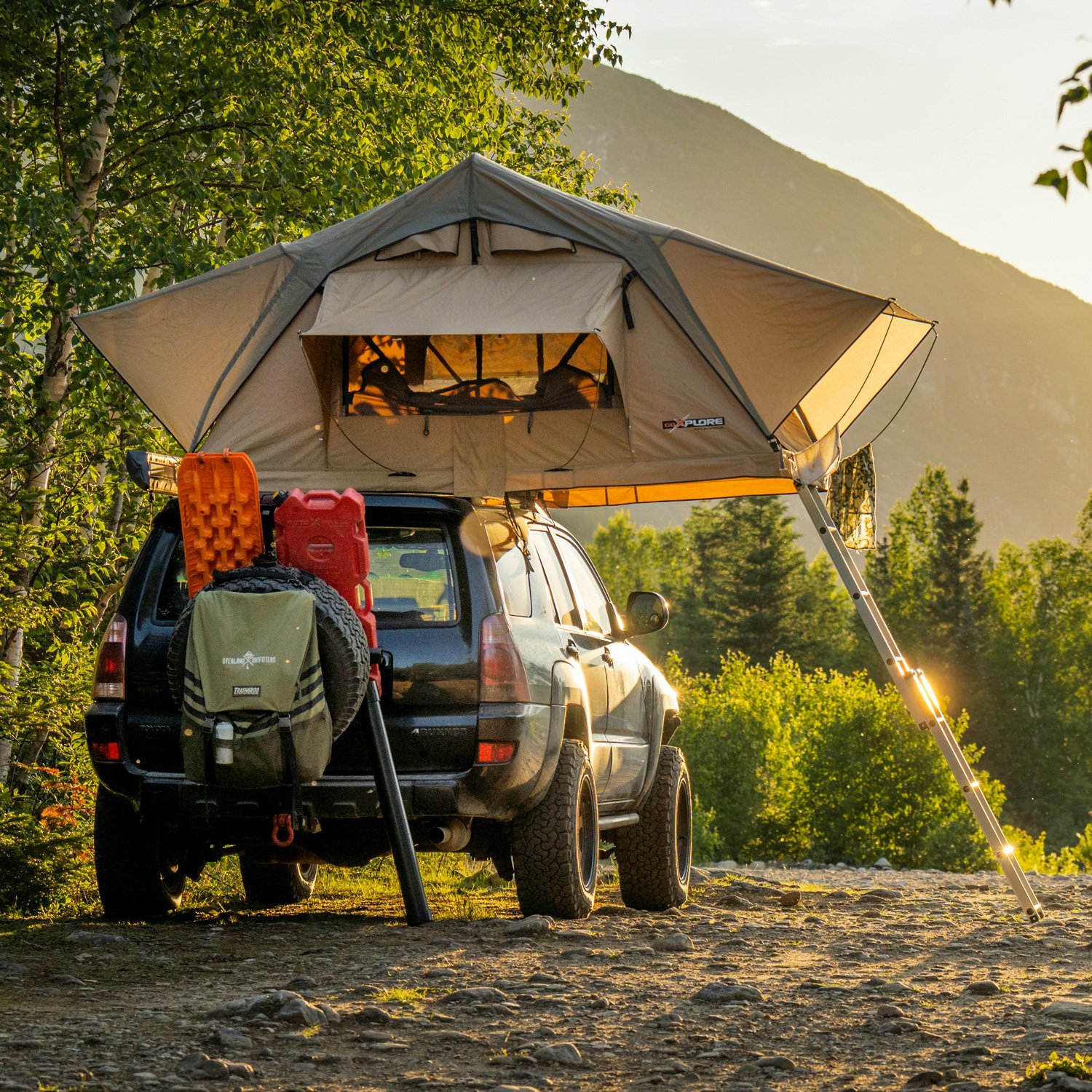
Car camping is a style of camping where you drive directly to your campsite and set up camp near your vehicle. Instead of carrying everything on your back, your car does the heavy lifting—holding your gear, food, clothing, and supplies. This makes camping more comfortable, flexible, and accessible, especially for beginners and families.
For many people, car camping is the first step into outdoor adventure. It lowers the barrier to entry, removes much of the logistical stress, and allows you to focus on enjoying time outside rather than managing gear or mileage.
What Is Car Camping, Exactly?
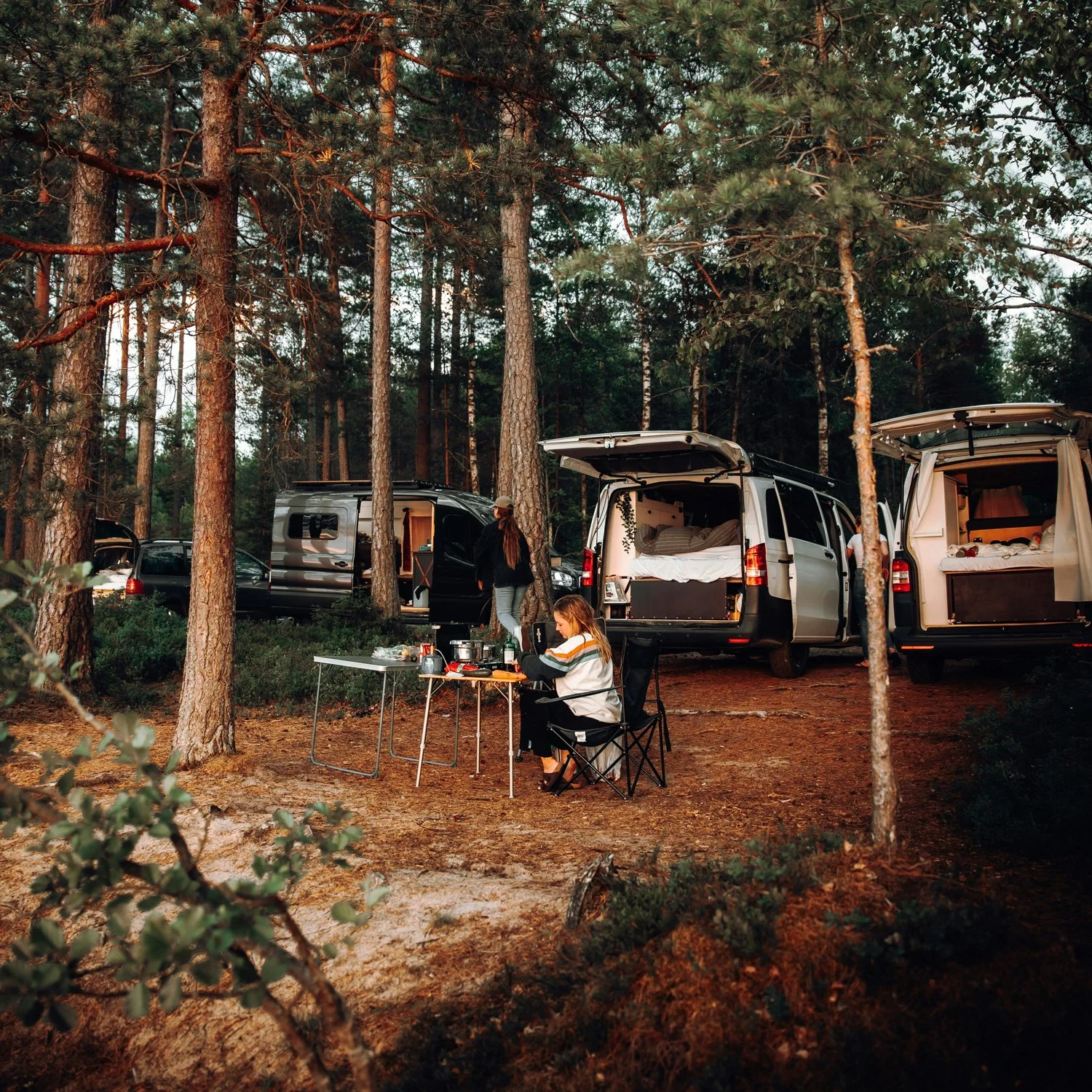
At its simplest, car camping means your campsite is accessible by car. You park nearby, unload your gear, and set up camp within a short walk of your vehicle. Most car camping takes place in established campgrounds, such as state parks, national parks, or managed public lands, where campsites are clearly defined and often include basics like picnic tables and fire rings.
One of the defining features of car camping is how adaptable it is. You might sleep in a traditional ground tent, use a rooftop tent mounted on your vehicle, or even sleep inside your car depending on your setup. The specific approach matters less than the flexibility it offers.
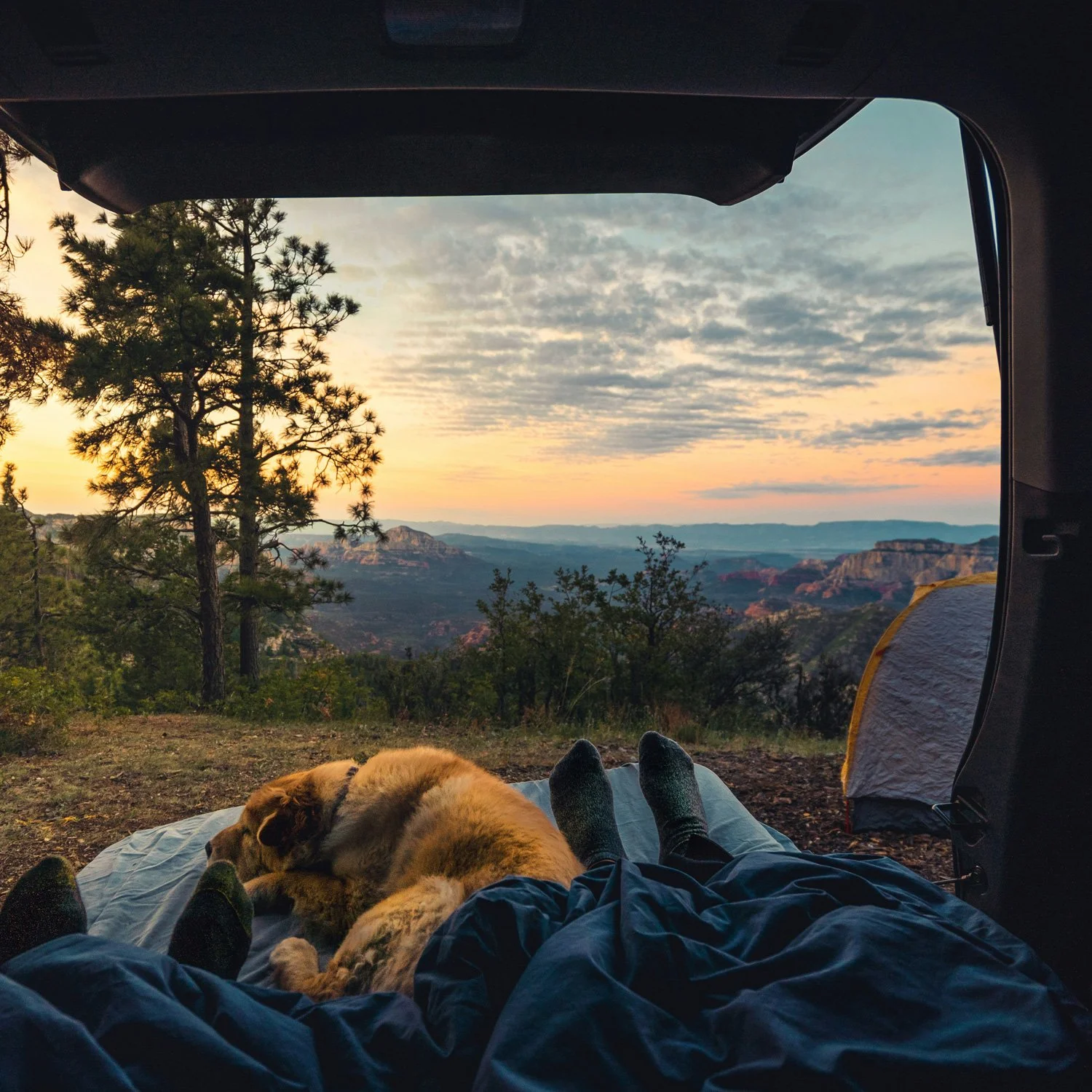
Because you aren’t limited by weight, car camping allows for more comfort. Thicker sleeping pads, extra blankets, real pillows, and a well-stocked cooler all become realistic options. This flexibility is one of the main reasons people find car camping so appealing.
Why It Is So Popular
Car camping strikes a balance between being outdoors and staying comfortable. You still experience fresh air, campfires, and time away from everyday routines—but without the pressure that often comes with more technical forms of camping.
It’s also very approachable. Many people begin car camping with gear they already own and refine their setup over time. This mindset aligns naturally with many camping tips for beginners, where the goal is to keep things simple and build confidence one trip at a time. If something doesn’t go as planned, you’re rarely far from your vehicle, extra supplies, or a nearby town.
Car camping is also a budget-friendly way to travel. Campsite fees are usually far lower than hotel stays, and once you have basic gear, camping becomes an affordable way to explore new places more often.
Car Camping vs. Backpacking
The most obvious difference between car camping and backpacking is simple: with backpacking, you carry everything on your back. Your shelter, food, clothing, and gear all have to fit into a pack that you’ll hike with for miles.
Car camping removes that constraint. Your vehicle carries the weight instead, which allows you to bring more comfortable and flexible gear. Larger tents, thicker sleeping pads, extra food, and personal items are all easier to include when you don’t have to worry about how far you’ll carry them.
Because backpacking requires more physical effort and planning, it often appeals to people looking for a more rugged or immersive experience. Car camping, on the other hand, is about accessibility and ease. It lets you spend more energy enjoying the outdoors rather than managing your load.
Both styles offer meaningful time outside—they simply serve different purposes. Many people start with car camping and move toward backpacking later, while others continue to choose car camping because it fits their lifestyle, comfort level, or who they’re camping with.
Why Families Often Start Here
Car camping can be an ideal option for families, especially when camping with kids. Having your vehicle close by makes it easier to bring extra clothes, snacks, comfort items, toys, and backup gear—without worrying about packing light or leaving something important behind.
Flexibility is especially important when camping with children. Nap schedules, changing weather, and fluctuating energy levels are all part of the experience. Car camping allows families to adjust plans as needed, knowing supplies and shelter are always close. This reduces stress and helps parents stay present and relaxed.
Car camping also creates space for simple fun. Evenings around the campsite often turn into unstructured playtime, making room for camping games for kids, storytelling, or quiet exploration. These moments don’t require elaborate planning—they happen naturally when there’s time and space to slow down.
For many families, car camping becomes a gentle introduction to the outdoors, building comfort and confidence that can grow into bigger adventures over time.
Car Camping Tips for Beginners
If you’re new to camping, car camping is one of the easiest ways to get started. A few simple guidelines can make your first trip far more enjoyable.
Start small. Choose a nearby campground and plan for one or two nights rather than a long trip. This makes the experience feel manageable and gives you room to learn without pressure.
Pack for comfort, not perfection. Bring layers, extra socks, and one or two comfort items that help you relax. Because your car is close by, it’s okay to overpack slightly while you learn what you actually use.
Keep meals simple. Easy-to-prepare food reduces stress and cleanup, especially on your first few trips. A cooler, basic stove, and familiar meals go a long way.
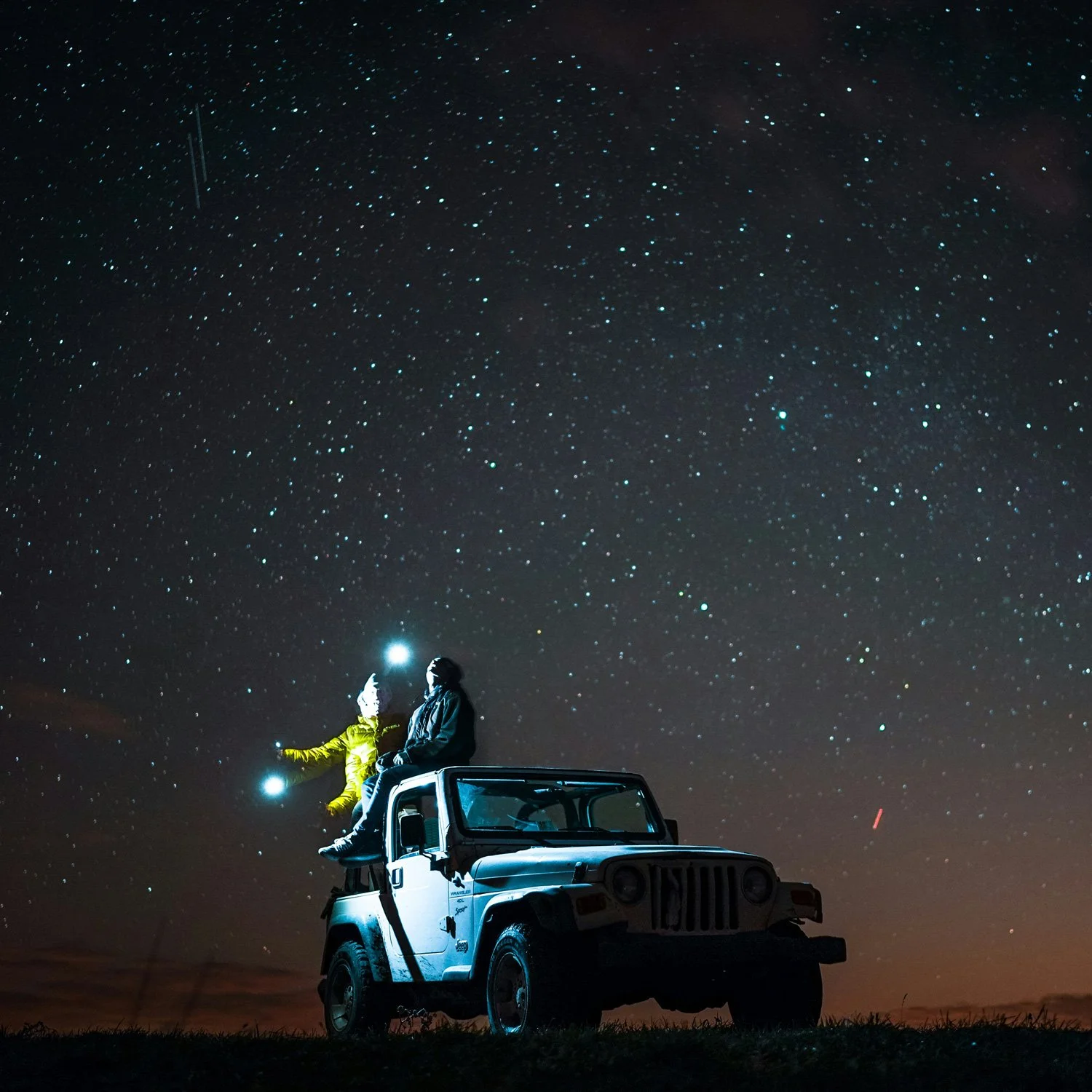
Arrive with daylight if possible. Setting up camp while it’s still light helps everything feel calmer and more enjoyable, especially if you’re unfamiliar with your gear.
Think through the order you’ll use things, not just what you pack. Keeping frequently used items—like headlamps, camp chairs, and snacks—near the top or in a single bin means you can settle in quickly instead of digging through the car.
Keep a dedicated layer—such as a warm jacket or blanket—within arm’s reach at camp. This allows you to stay comfortable as temperatures drop without needing to fully change clothes or retreat into your tent.
Most importantly, expect things to feel a little imperfect. Forgotten items, unexpected weather, or small hiccups are all part of the learning process. Many camping tips for beginners come down to this: every trip teaches you something, and that’s part of the experience.
How to Stay Warm Car Camping
Bring plenty of warm things.
One underrated advantage of camping with your car nearby is how much easier it is to stay warm. Extra layers, blankets, and even a spare sleeping bag can live in your vehicle, ready when temperatures drop unexpectedly. If the evening gets chilly, you’re not limited to what you packed into a backpack—you can add a jacket, change into dry clothes, or grab another layer without much effort.
This flexibility makes cooler nights far more comfortable, especially for beginners or families. Staying warm helps everyone sleep better, enjoy evenings longer, and wake up ready for the next day instead of counting the hours until sunrise.
What You Bring When Car Camping
Packing for car camping is less about minimizing and more about intention. Most campers bring a shelter setup, sleeping bags and pads, food stored in a cooler, and basic cooking equipment. Camp chairs, lanterns, and a few personal items help make camp feel welcoming.
Because your car is nearby, you can adjust your packing based on the season, location, and who you’re camping with. This flexibility makes car camping especially forgiving for beginners and families alike.
Over time, many campers find their rhythm—learning what they truly need and what they can leave behind—making each trip smoother than the last.
How to Pack Your Car for a Camping Trip
Packing your car for camping is less about fitting everything in and more about making things easy to access once you arrive. Items you’ll need first—like your tent, headlamp, and camp chairs—should be placed where you can reach them without unloading the entire car. Gear you’ll use later, such as extra clothing or backup supplies, can go deeper in the vehicle.
Using bins or bags to group similar items helps keep everything organized and prevents clutter at camp. Food, cooking gear, and sleeping equipment each having their own space makes setup and cleanup faster. If you’re traveling with kids, keeping snacks, layers, and comfort items within easy reach can make the drive and arrival smoother.
A thoughtfully packed car saves time, reduces frustration, and helps you settle into camp more quickly—so you can spend less time organizing and more time enjoying being outside.
Deciding If This Style Fits You
If you’re curious about camping but unsure where to begin, car camping is often the best place to start. It’s forgiving, adaptable, and welcoming—especially for beginners, families, and anyone who wants to enjoy the outdoors without unnecessary complexity.
So, what is car camping really about? It’s about making time outside feel doable. It’s about slow mornings, flexible days, and shared moments around a campsite—knowing you have what you need close at hand. Car camping meets you where you are and invites you into the outdoors, one simple trip at a time.