
Camping with Kids
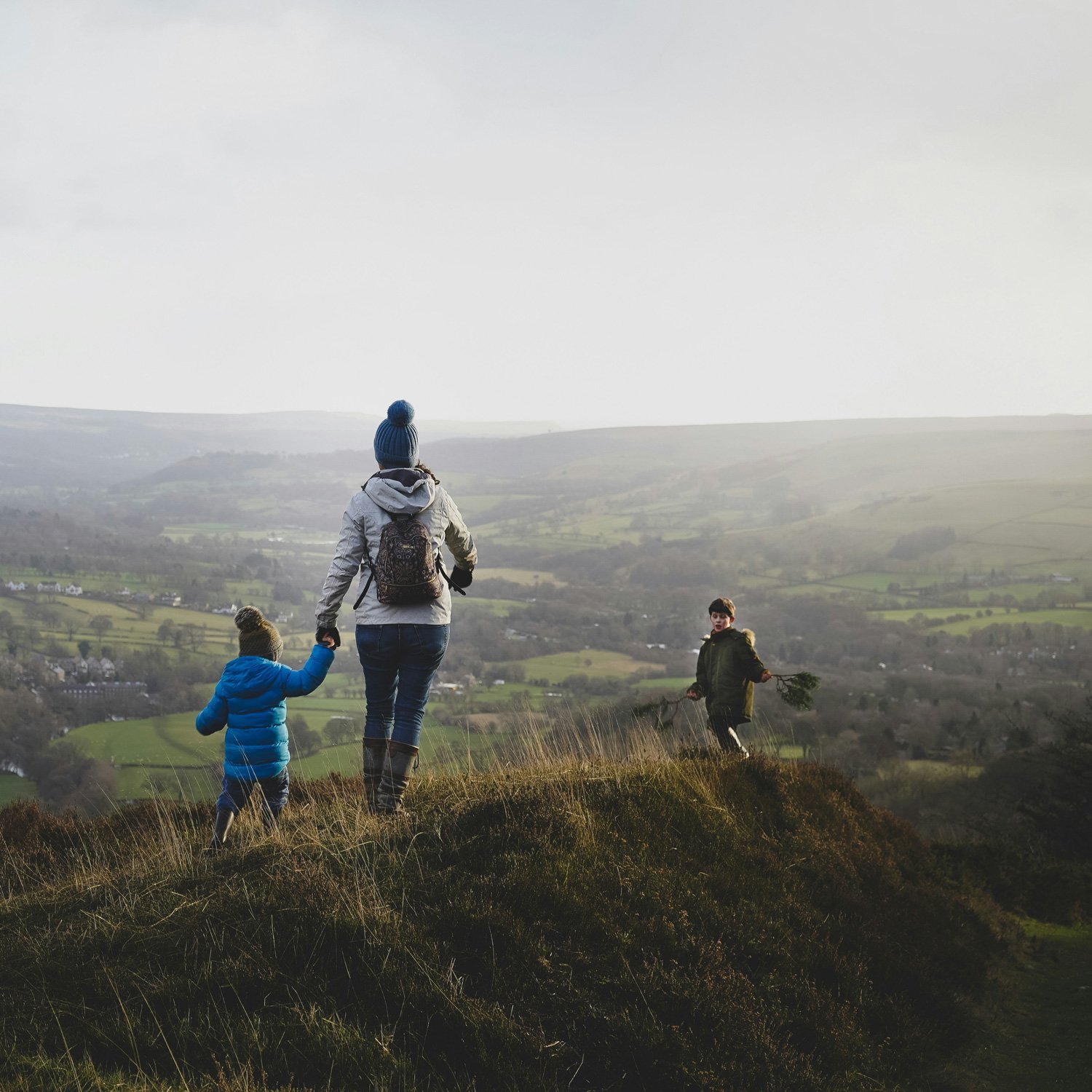
How to Make Your Family’s Outdoor Adventure Fun, Smooth, and Memorable
Camping with kids is one of the best ways to slow down, explore nature together, and create the kind of memories that stick—muddy shoes, sticky fingers, starry skies, and all. But it also requires more preparation, more flexibility, and a different rhythm than camping on your own. Whether it’s your family’s first overnight or you’re returning to a favorite campground, these tips will help you create a trip everyone will genuinely enjoy.
And if your family is newer to the outdoors, many of these ideas overlap naturally with our camping tips for beginners—just with extra curiosity, snacks, and patience.
Choose the Right Destination
Where you camp sets the tone for everything. It helps to choose a spot designed to make family trips easier—places with restrooms, potable water, level ground, and room for kids to wander safely. Many campgrounds also offer simple activities like short trails, open meadows, lakes, or nature programs that make the outdoors feel exciting and approachable for younger explorers.
When camping with kids, convenience doesn’t reduce the adventure—it supports it. The easier it is to settle in and move around, the more energy you’ll all have for exploring, relaxing, and playing.
If you plan to take the family on a short hike, remember to think ahead about what clothes to wear for hiking. Light, breathable layers and sturdy footwear help keep everyone comfortable and avoid mid-trail frustrations.
Start Simple (Especially for First-Timers)
Easing into camping builds confidence for everyone. You don’t need a remote wilderness experience to make it memorable. Start with a one- or two-night trip close to home at an established campground so you have amenities, supplies, and cell service within reach.
Many families even try a backyard “practice campout” to get kids familiar with tents, nighttime sounds, and the feeling of sleeping outdoors. It’s an easy, low-pressure way to work out jitters and learn what you might want to pack differently.
Keeping the first trip short and simple helps ensure kids associate camping with fun—not overwhelm.
Pack With Realistic Expectations
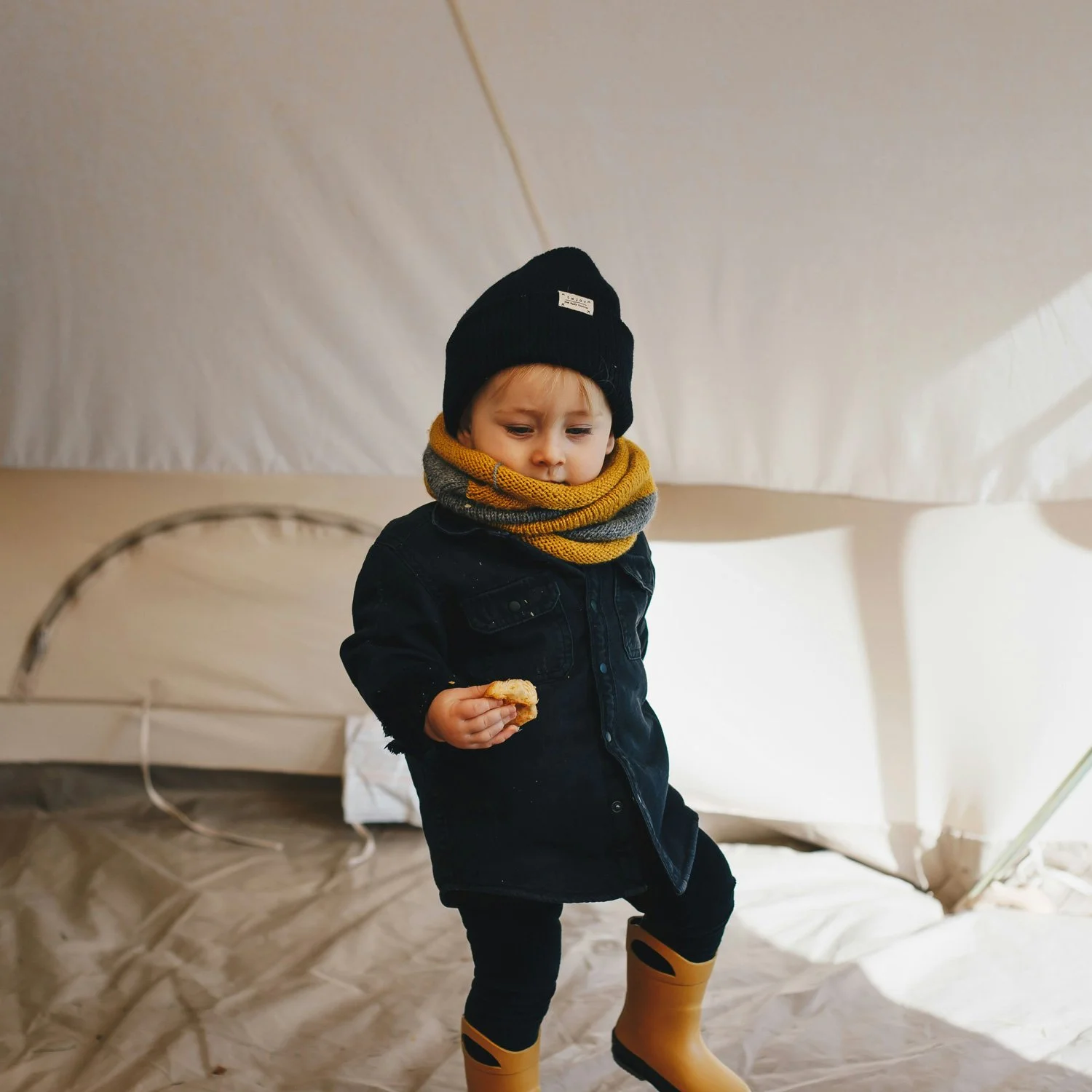
Comfort is one of the biggest keys to a successful family camping trip. When camping with kids, packing warm layers, cozy sleepwear, and a sleeping bag rated for colder temperatures makes a big difference at night. A favorite stuffed animal or blanket also helps kids feel grounded in a new environment, and giving each child their own flashlight or headlamp adds a small sense of independence that kids love.
Because children tend to explore every puddle, rock pile, and dusty corner of the campground, pack extra clothes, spare shoes, and plenty of snacks. The more prepared you are for spills, mud, and sudden weather shifts, the smoother the experience will be. And if you're planning to hike, keep circling back to what clothes to wear for hiking to keep kids warm, dry, and happy on the trail.
Keep Food Simple—and Let Kids Help
Outdoor meals don’t need to be complicated to feel special. Stick with familiar, easy-to-assemble foods: sandwiches, pasta, fruit, pancakes, or hot dogs. Kids enjoy being part of the process, so give them small, safe tasks like stirring, assembling ingredients, or handing out plates. That sense of involvement turns mealtime into an activity rather than downtime.
And of course, roasted marshmallows remain the universal favorite—no matter how many times you make them.
Create a Kid-Friendly Rhythm to the Day
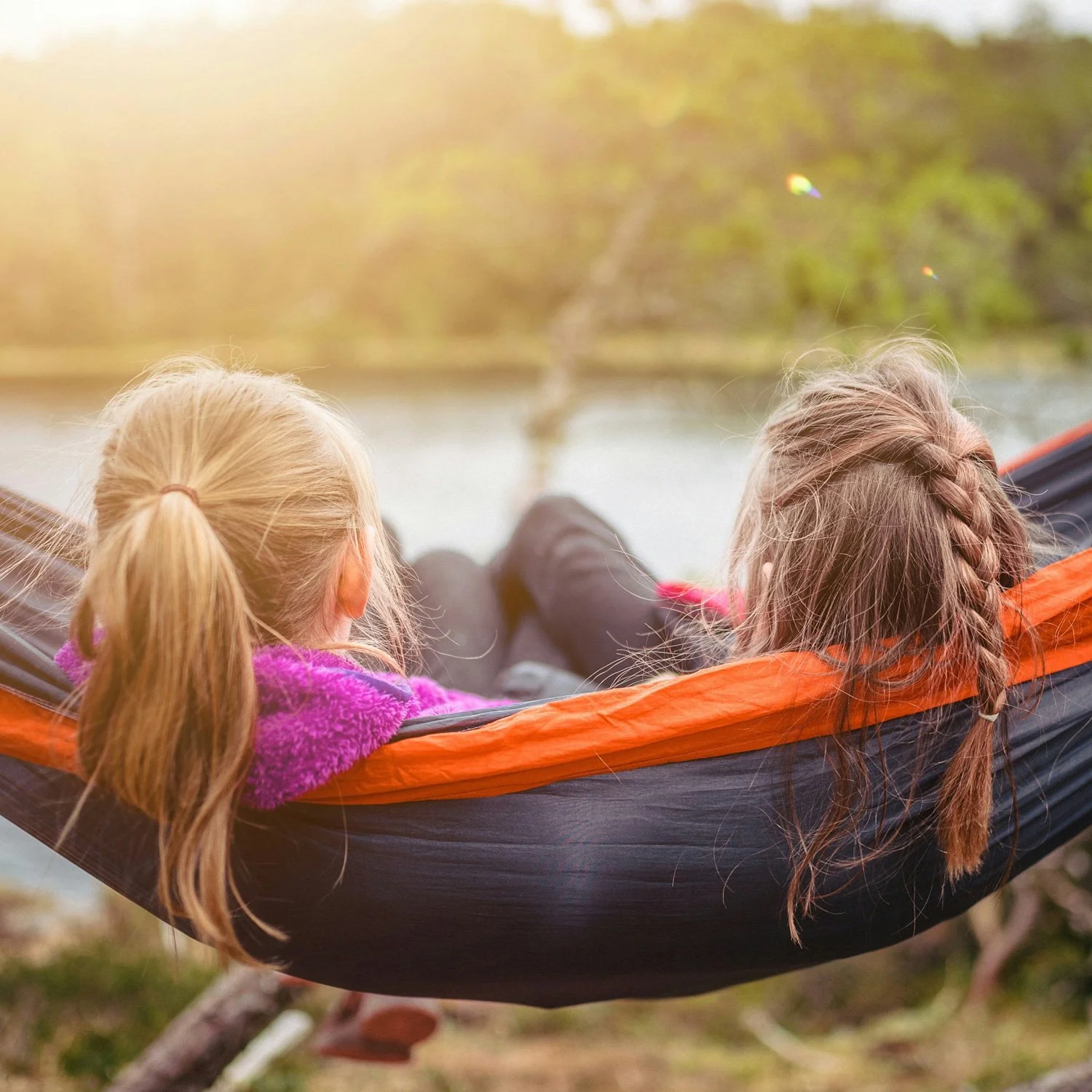
While camping naturally slows the pace of life, a loose daily rhythm helps kids feel grounded and secure. Mornings might start with breakfast followed by exploring a short trail or watching wildlife near the campsite. Afternoons can include rest time, quiet play, hammock lounging, or splashing in a creek. Evenings often become the highlight: cooking together, watching the fire glow, telling stories, and settling into a familiar-feeling bedtime routine.
One simple way to shape your day is to choose a single “anchor activity”—like a short hike, a nature scavenger hunt, or a simple outdoor craft—and let the rest unfold. When camping with kids, the magic often comes from ordinary moments that happen naturally when no one is rushed.
Think Safety—but Keep It Empowering
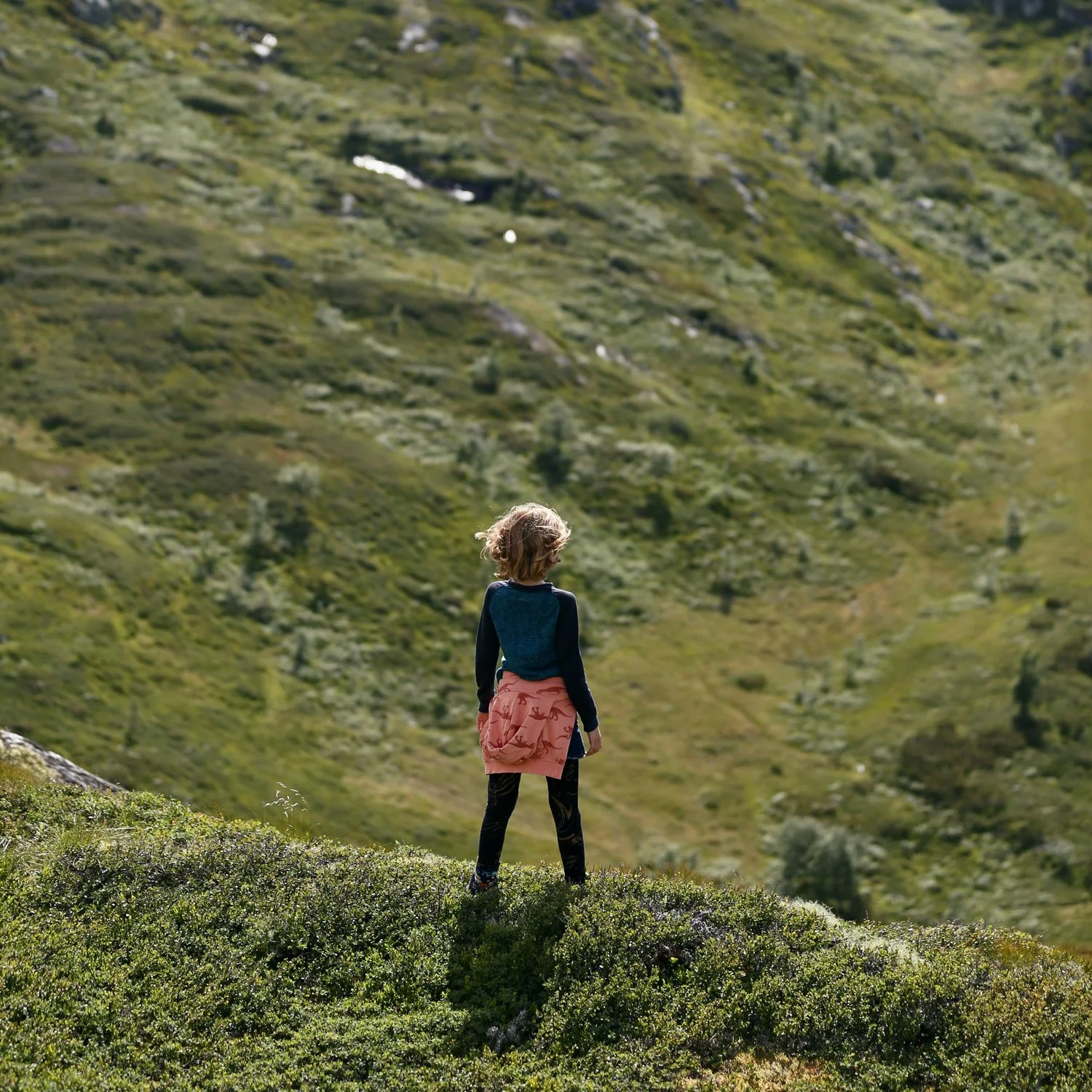
Before exploring beyond the campsite, walk kids through simple safety boundaries. Show them which areas are safe to play in, explain how far they can wander, and point out any natural hazards like uneven ground or thorny plants. Teaching kids how to find their way back to the campsite and giving them bright clothing or a whistle adds another layer of security.
These safety conversations don’t need to feel heavy or restrictive. Framed positively, they help kids feel capable, confident, and included in the adventure.
Expect Surprises—And Lean Into the Joy
Even well-planned trips come with unexpected moments: rain that arrives early, a child who wakes at 3 a.m., or mud appearing in places you didn’t know mud could go. Kids may be thrilled one moment and overwhelmed the next. But these unpredictable moments sit right beside the magic—spotting a deer at dusk, learning how bright the stars can be, roasting the perfect marshmallow, or waking up together to a quiet morning in the woods.
Camping with kids isn’t about perfection. It’s about being present enough to notice the wonder threaded through all the messy, joyful parts.
Build the Tradition, Not the Perfect Trip
Every family camping trip teaches you something—what to pack next time, what you didn’t need, and which parts made your kids light up. Over time, little traditions will take shape—your favorite dinner routine, the path you return to again and again, the quiet moments when everyone steps out of the tent to greet the day.
Whether it’s your first trip or your fiftieth, camping with kids is ultimately about giving your family space to breathe, move, play, and feel fully together. Start small, stay flexible, and let the joy of the outdoors weave itself naturally into your family story.