
Camping Tips for Beginners
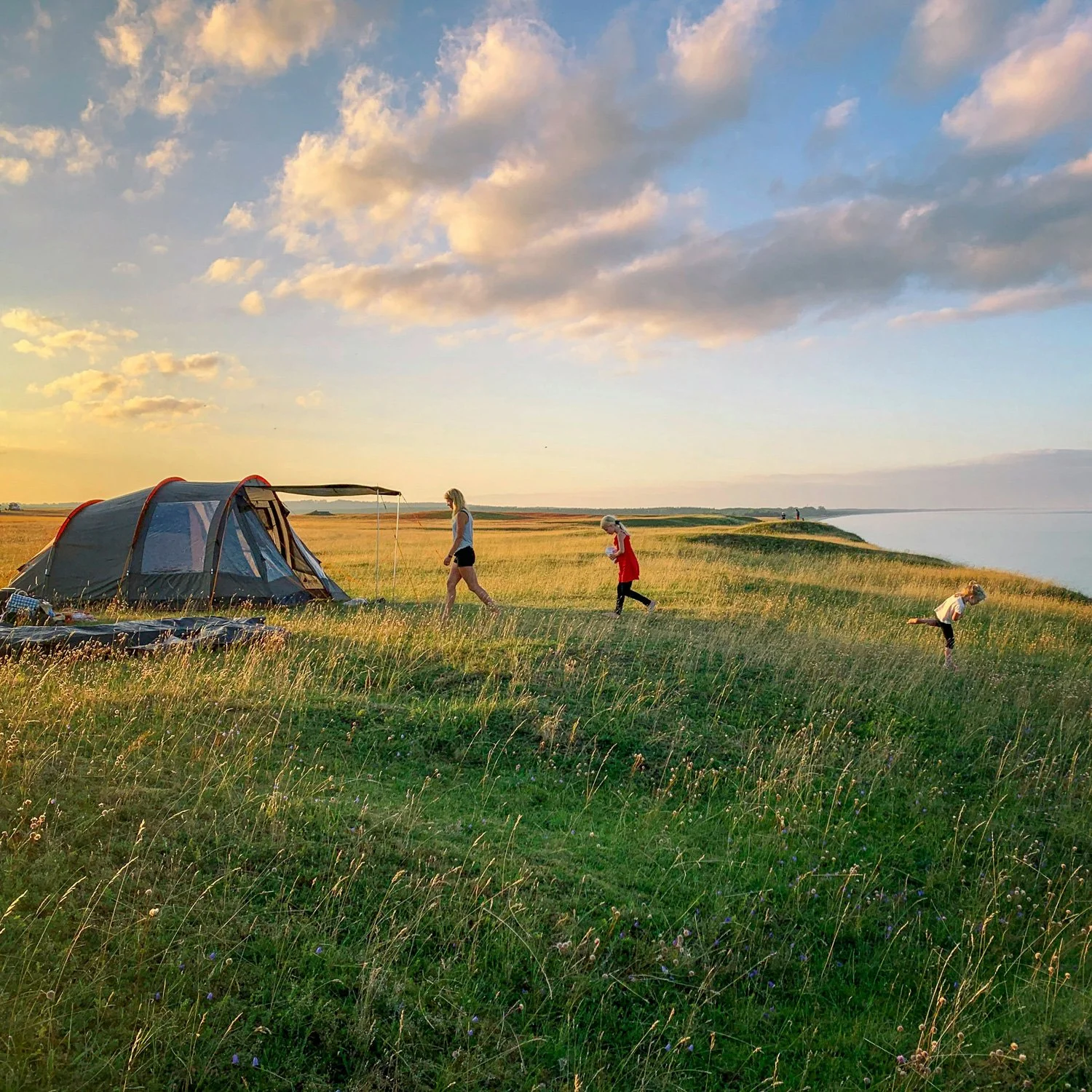
How to Start Exploring the Outdoors with Confidence
If you’re new to camping, the idea can feel both exciting and intimidating. The good news? You don’t need fancy gear, wilderness expertise, or years of experience to have a great trip. What you do need are a few solid camping tips for beginners—and a willingness to step outside your normal rhythm and let nature slow you down.
Whether you’re planning your first night under the stars or easing into car-camping at a state park, this guide will help you feel prepared, grounded, and ready for a meaningful outdoor adventure.
Start Simple: Choose a Beginner-Friendly Campsite
One of the best camping tips for beginners is to keep things uncomplicated. Look for campgrounds with drive-up sites, access to clean restrooms, potable water, and easy nearby trails. If you’ve read our guide on how to plan a hiking trip, the same principle applies here—start with something manageable so you can enjoy yourself rather than feel overwhelmed.
For your first outing, choose a campground close to home and stay only a night or two. A shorter, simpler trip gives you space to learn the basics—setting up camp, cooking outside, sleeping in a tent—without pressure. Confidence grows through repetition and small wins.
Before you go, review the campground’s rules. Quiet hours, fire restrictions, check-in windows, and pet guidelines vary from place to place. A few minutes of planning makes everything smoother when you arrive.
Practice Your Setup Before You Go
Pitching a tent for the first time is much easier in your backyard than at a windy or unfamiliar campsite. Practice ahead of time so you know how the poles connect, how the rainfly attaches, and where your stakes go.
Arrive at your campsite before sunset so you have plenty of daylight to settle in. And when choosing where to pitch your tent, look for flat, even ground and avoid low spots where water could pool if it rains. A thoughtful setup leads to a far more comfortable night.
Pack the Essentials (But Don’t Overpack)
Beginning campers often assume they need a mountain of gear, but the basics are enough: a tent, sleeping bag, sleeping pad, lighting, simple meals, water, and weather-ready clothing. Add a first-aid kit, sunscreen, bug spray, and a comfortable chair, and you're set.
If this is your first trip, you don’t need to purchase everything. Borrowing or renting is a great way to try things out before investing in your own equipment.
Organization also helps tremendously. Group items together—food with food, lighting with lighting, layers with layers—so you’re not digging through your campsite looking for essentials in the dark.
A Quick Note About Sleep (It Matters More Than You Think)
Nighttime comfort shapes the entire experience. A good sleeping pad doesn’t just soften the ground—it insulates you from the cold. Pair it with a sleeping bag suited to the temperatures you expect and you’ll sleep far better. Being well-rested makes the whole trip feel smoother, lighter, and more enjoyable.
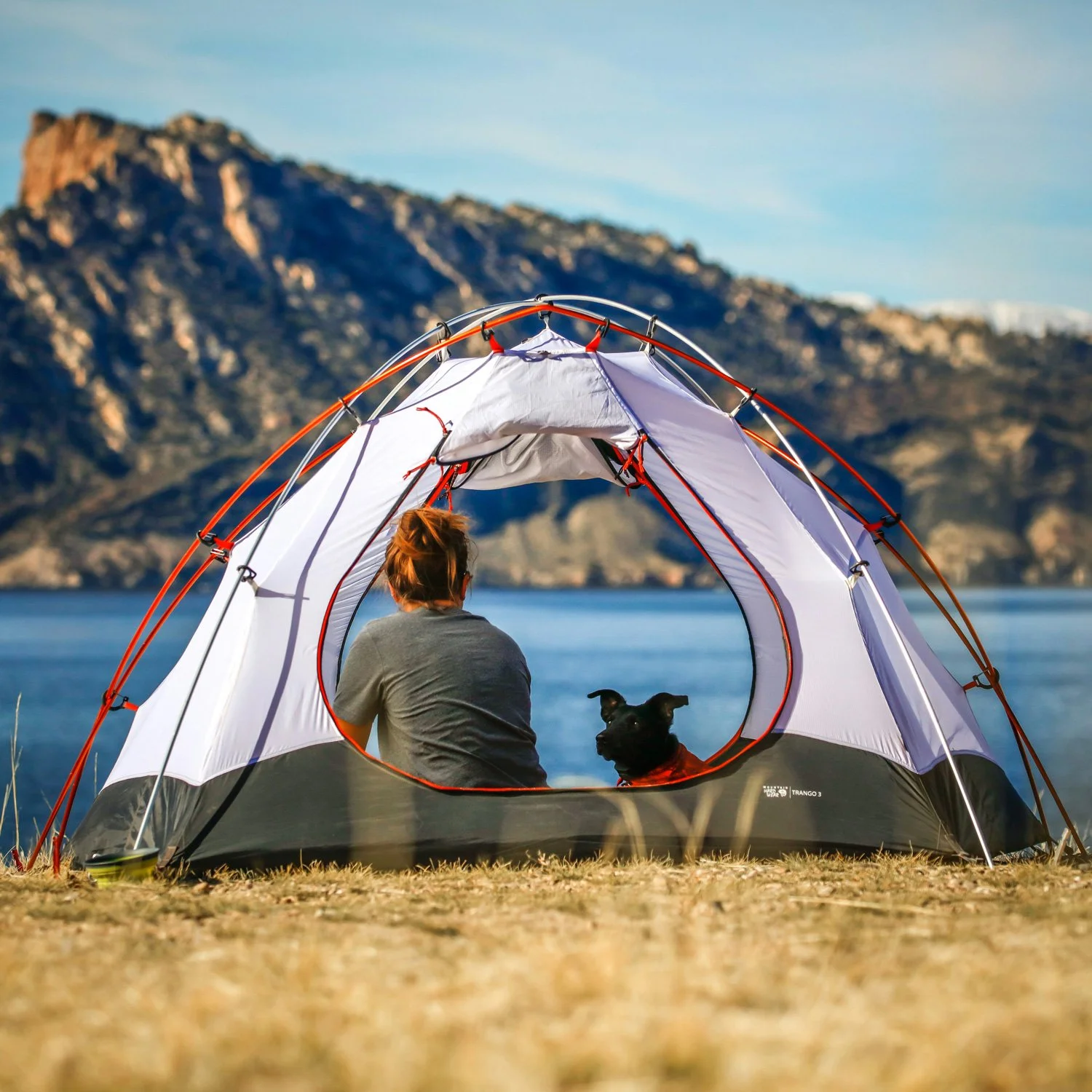
Dress in Layers to Stay Comfortable
Once the sun dips, temperatures can shift quickly. The same principles used when choosing what clothes to wear for hiking apply perfectly to camping: moisture-wicking base layers, an insulating mid-layer, and a weatherproof outer layer.
Weather changes fast, so check the forecast but pack for surprises. A rain jacket, warm mid-layer, and dry socks can turn unexpected conditions into part of the adventure rather than a setback.
Keep Food Prep Easy
Your first camping meals don’t need to resemble a backcountry cooking show. Stick with simple, familiar foods—sandwiches, one-pot meals, instant oatmeal, or heat-and-eat soups.
Whatever you bring, store your food safely. Follow campground guidelines and use bear boxes or your vehicle when required.
For your first night especially, keep the plan simple: an easy meal, a relaxed setup, and no rushing. The goal is to spend your time enjoying the trees, stars, and fresh air, not wrestling with complicated recipes.
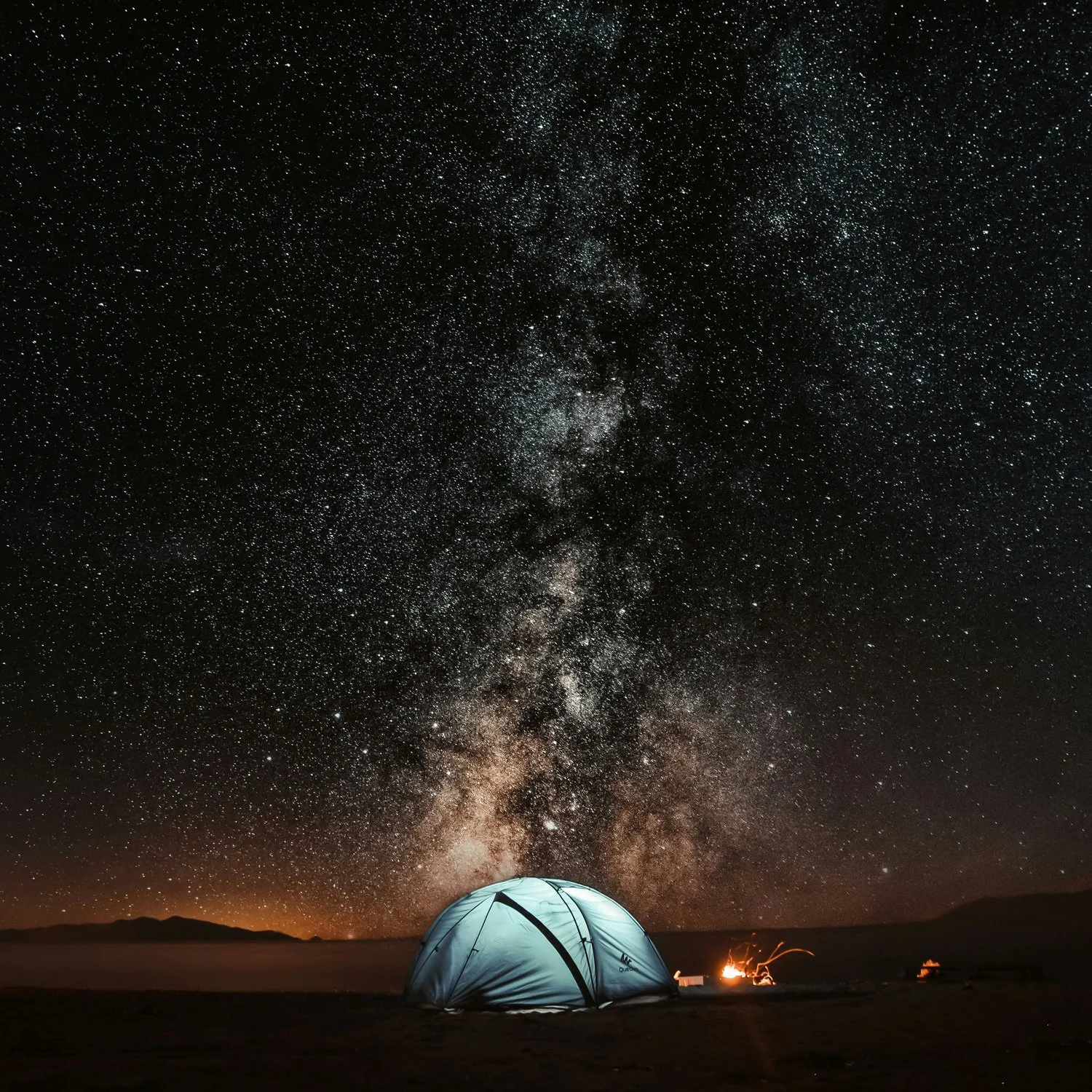
Honor the Rhythm of Nature
One of the gifts of camping is how naturally your pace begins to sync with the landscape around you. You wake with the sun, move with intention, and notice details normally lost in a busy day.
Lean into this rhythm. Take a morning walk. Feel the temperature shift with the light. Pause long enough to hear wind through the trees. These are the kinds of small, grounding moments that JoyWild is all about.
Leave No Trace (It’s Simpler Than You Think)
Caring for the places you explore is part of the outdoor lifestyle. Pack out everything you brought in, stay on marked trails, respect wildlife, and keep noise low. Leave natural objects where they belong and do your part to keep the space beautiful for the next person.
Expect Imperfection—and Enjoy It Anyway
Something will go a little sideways—maybe you forget a utensil, misjudge the weather, or burn dinner. But those moments are often the stories you remember and laugh about later. Camping invites you to release perfection, embrace play, and rediscover a slower, less scripted version of yourself.
There is joy to be found in this simplicity.
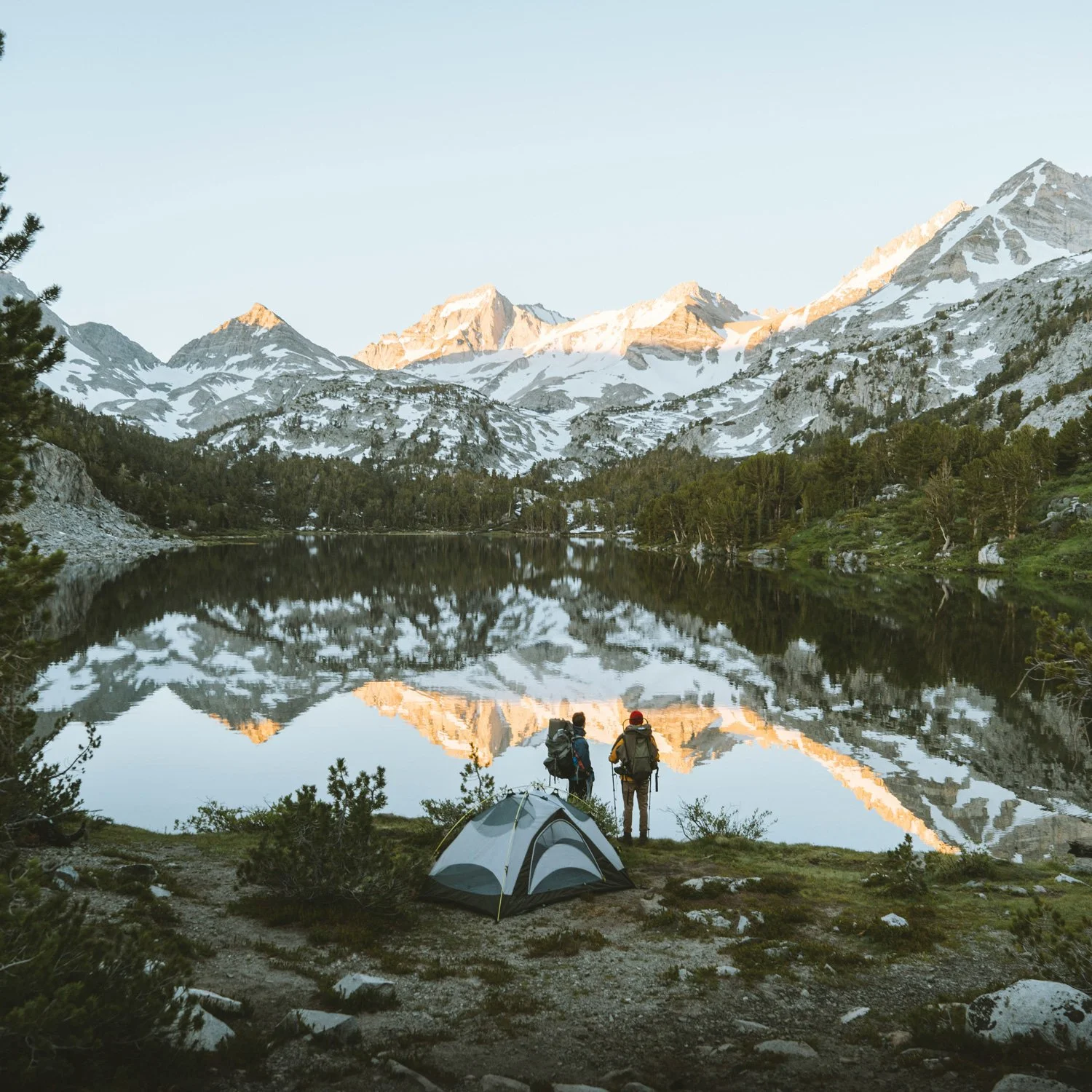
Looking Ahead
Your first time camping is less about doing everything perfectly and more about showing up, being present, and letting the outdoors draw you into its slower pace. With these camping tips for beginners, you’ll have what you need to feel prepared and excited for the adventure ahead.
Grab your gear, step outside, and start creating your own JoyWild moments—one campfire, one sunrise, one simple adventure at a time.
Frequently Asked Questions for First-Time Campers
-
Popular campgrounds fill fast—sometimes weeks or months ahead—especially on weekends. If you’re new, book early so you can choose a site with amenities that make the experience easier, like bathrooms and potable water. Midweek trips are often less crowded and more beginner-friendly.
-
Aim to arrive at least a few hours before sunset. This gives you plenty of time to choose a good tent spot, set up calmly, explore the area, and cook dinner without rushing. Early arrival is one of the simplest ways to make your first trip smoother.
-
Use small stuff sacks or tote bags to group items: one for clothes, one for toiletries, one for nighttime essentials. Give everything a “home” inside the tent. Beginners often feel scattered simply because their gear ends up in a pile.
-
Choose meals with minimal prep: hot dogs, pasta + jarred sauce, oatmeal, instant rice and beans, or boil-water backpacking meals. The simpler the ingredient list, the happier you’ll be—especially when you’re tired in the evening.
-
Mostly just be prepared. Bring bug spray, avoid setting up camp near standing water, and keep your tent zipped so insects don’t wander in. Bugs tend to be worst at dusk, so plan meals accordingly.
-
Commonly forgotten items include: a lighter, toilet paper, trash bags, a sponge for dishes, a warm hat for night, a cutting board, and a charged power bank. All make a big difference in comfort.
-
A good sleeping pad matters just as much as your sleeping bag—it provides cushioning and insulation. Add a small pillow from home and wear clean, dry socks to bed. Beginners often sleep poorly simply because they’re not warm enough.
-
Add a warm layer, put on a hat, and make sure your sleeping bag is fully zipped. If your sleeping pad has shifted, slide it back under you—staying insulated from the ground makes a big difference.
-
Look for a sleeping bag with a temperature rating slightly lower than the coldest temperature you expect. If you sleep cold at home, assume you’ll sleep cold outdoors and choose a warmer rating.
-
Usually, yes—but check campground rules first. Bring a long leash or tie-out, pack extra water, and keep your dog’s food securely stored. A towel for wiping paws and a cozy sleeping spot help them settle in, too.