
Backpacking for Beginners
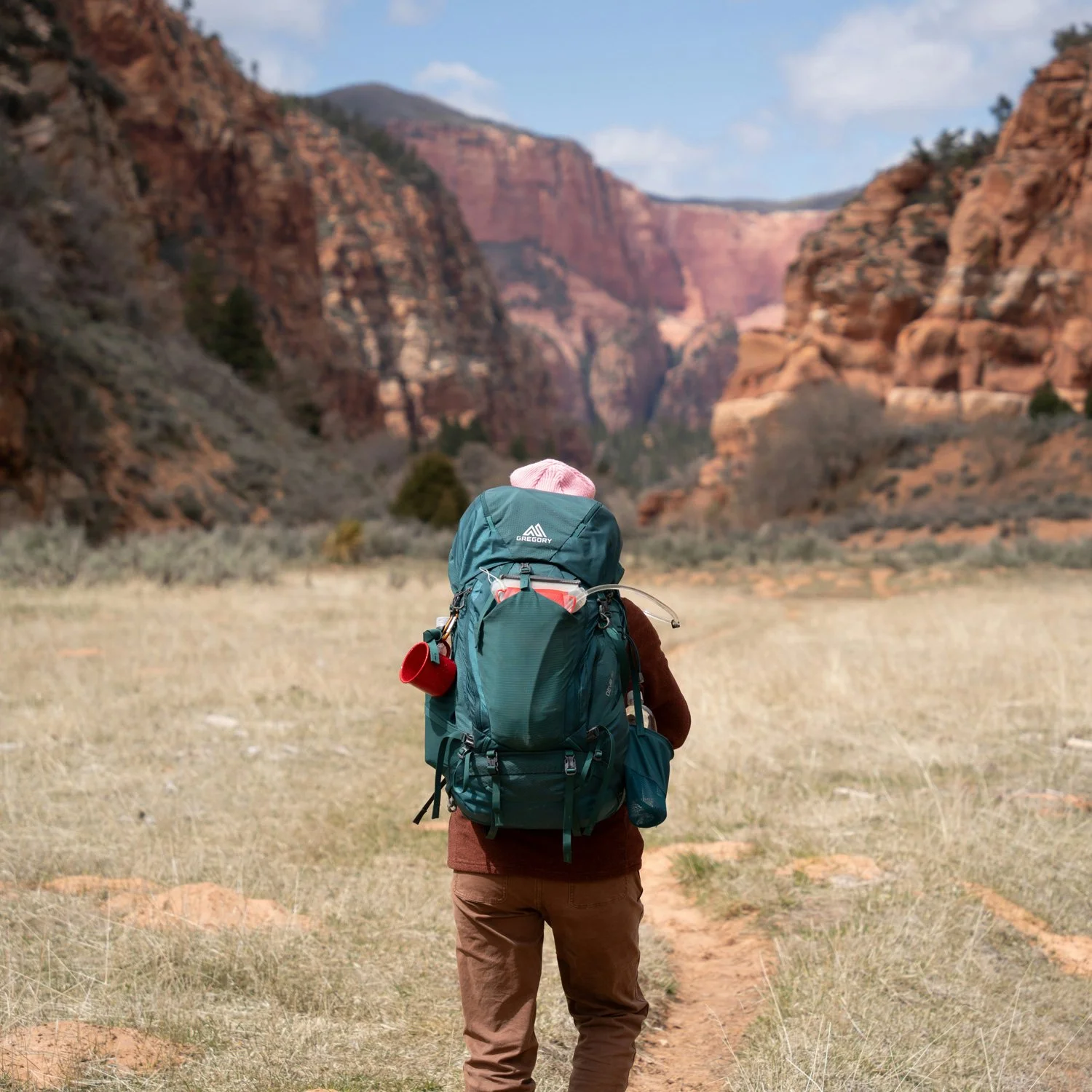
A Simple Guide to Your First Overnight Adventure
Backpacking can feel both thrilling and a little intimidating at first. You’re carrying everything you need on your back, hiking into wild spaces, and setting up camp far from the usual comforts. But with a little preparation, backpacking becomes far less overwhelming—and far more rewarding. Think of it as a natural extension of your day hikes with a touch of strategy, intention, and adventure mixed in.
If you’ve read Camping Tips for Beginners, you’ll notice many of the same principles apply: keep things simple, prepare thoughtfully, and choose routes that match your current comfort level. Your first backpacking trip doesn’t need to be epic; it just needs to be doable.
This expanded guide brings together some helpful wisdom—translated into a practical, beginner-friendly roadmap.
Start With Realistic Expectations
Your first backpacking trip isn’t about crushing miles; it’s about learning—how your body feels under the weight of a pack, how you respond to uneven terrain, how you sleep outdoors, and what gear truly matters. One of the most overlooked aspects of backpacking for beginners is simply pacing yourself.
Beginning backpackers often find that backpacking has its own rhythm. You’re not just hiking—you’re carrying your home, setting up camp, filtering water, cooking outside, and navigating all at once. Expect your pace to be slower, and give yourself time to learn the small skills that make everything smoother: adjusting your pack, pitching your tent, securing your food, and getting comfortable moving through the backcountry.
Begin with short, well-marked trails that have reliable water and established campsites. For most beginners, 3–6 miles a day feels manageable, but your ideal distance depends on the terrain and your fitness level. A route with significant elevation gain can feel dramatically harder than a mostly flat trail, so factor that into your plans.
Build Strength Gradually (Before You Go)
If you can hike, you can probably backpack—but a full pack changes things. Even an extra 20–30 pounds shifts your center of gravity, affects your pacing, and makes steep climbs more challenging.
To prepare:
Work on your general fitness
Take a few day hikes with incremental pack weight.
Practice walking on uneven terrain with your loaded pack.
Learn how your backpack’s suspension system works; you want most of the weight sitting on your hips, not your shoulders.
Remember that backpacking rewards endurance and patience far more than speed.
Pick a Beginner-Friendly Route
Beginners thrive on trails that are simple to navigate and comfortable to camp on. Look for:
Clearly marked trails
Reliable water sources
Established tent sites
Moderate elevation gain
Loop or out-and-back routes
Choosing the right trail sets the tone for the whole trip. Make it easy on yourself so you can focus on learning—not surviving.
Backpacking Gear Essentials
You don’t necessarily need the most expensive gear to enjoy backpacking. What you do need is a setup that keeps you safe, warm, and comfortable enough to enjoy the experience. Below is a deeper look at some of the essentials every beginner should understand—and why they matter.
But first—this isn’t an exhaustive backpacking gear list. While it covers many of the essentials, every trip has its own needs, and some situations may require gear that isn’t mentioned here.
1. Backpack
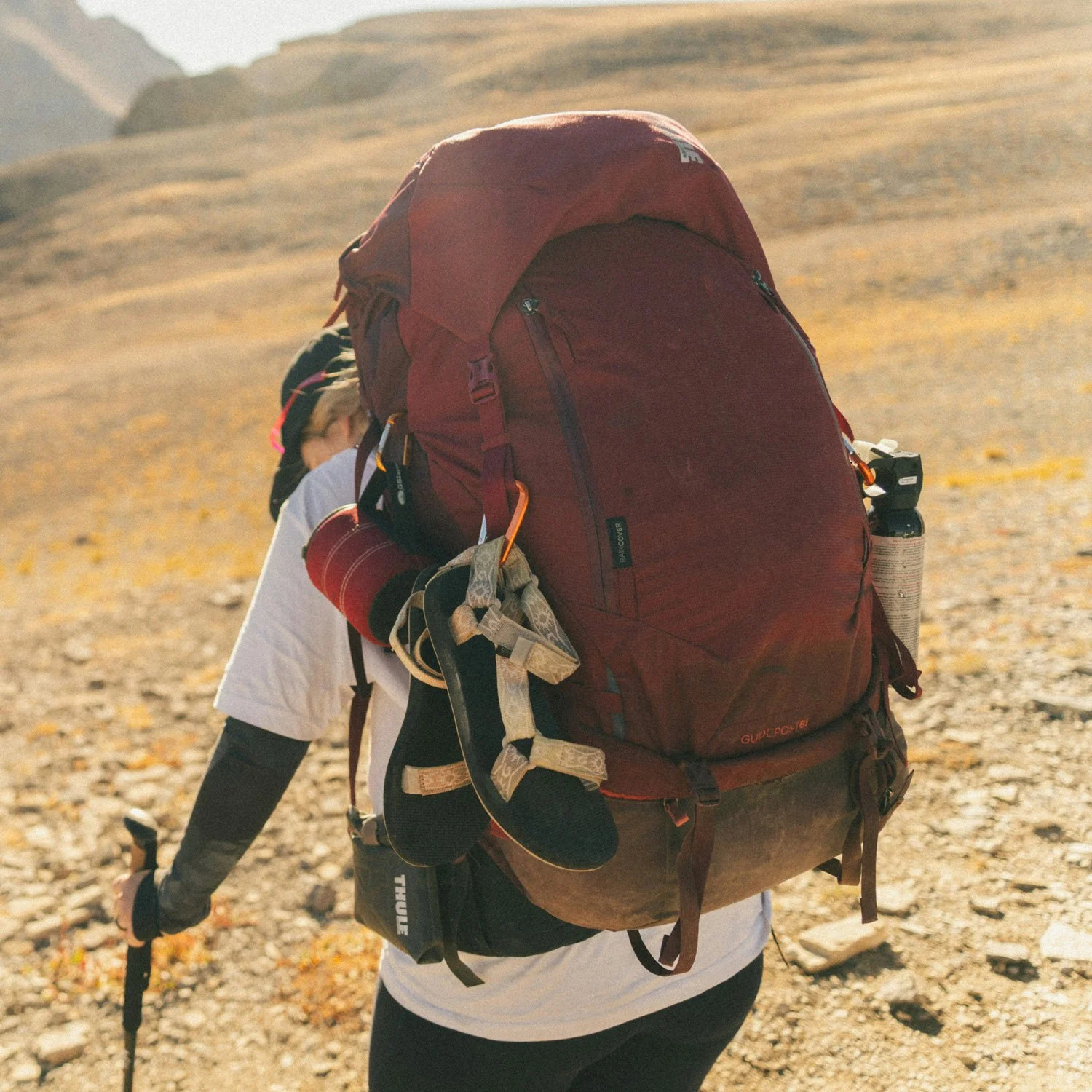
Your backpack is the backbone of your entire setup. Choose one that fits your body well, shifts weight onto your hips, and is big enough to hold your essentials—without tempting you to overpack. Practice loading and adjusting your pack before your trip to reduce surprises.
2. Shelter
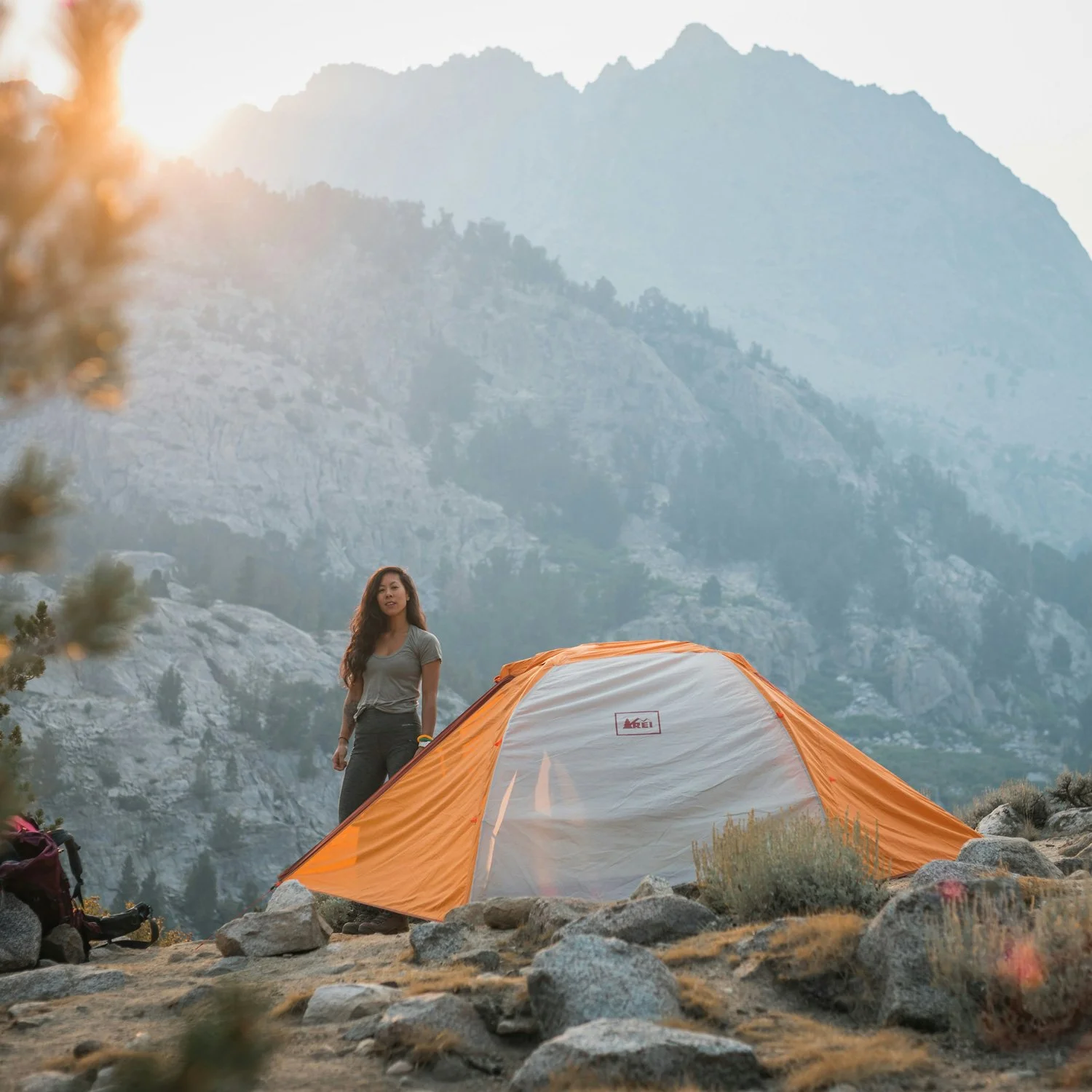
Your shelter is your protection from the elements, so choose something dependable and easy to set up. A lightweight backpacking tent is the most beginner-friendly option, offering solid weather protection and bug coverage without much complexity. Look for a design with good ventilation and a quick, intuitive pitch—you’ll be grateful when you’re setting up camp after a full day on the trail.
3. Sleeping Bag + Sleeping Pad
Your sleep system is crucial for warmth and comfort. Choose a sleeping bag rated about 10–15°F colder than the lowest nighttime temperature you expect. Down is light and compressible; synthetic is more forgiving with moisture. Pair it with a sleeping pad that insulates you from the cold ground.
A good sleep system makes a huge difference in how you feel the next day.
4. Clothing
A big part of preparing for backpacking for beginners is understanding what clothes to wear for hiking—especially when conditions shift throughout the day. Temperatures can change dramatically depending on elevation, weather, and shade. The simplest and most proven approach is layering:
A moisture-wicking base layer
A warm midlayer (like fleece or a light puffy)
A waterproof or windproof outer layer
Avoid cotton. It takes forever to dry and chills your body quickly. Stick to wool or synthetic options that manage moisture and maintain warmth even when damp.
For sleeping, bring a dedicated, dry set of clothes. This dramatically improves nighttime comfort and keeps your sleeping bag cleaner.
Other essentials include:
Weather-ready outerwear
Quick-drying hiking pants or shorts
A hat and lightweight gloves
A dry set of clothes for sleeping
The right layers help you respond to temperature swings without overthinking your outfit.
5. Backpacking Stove
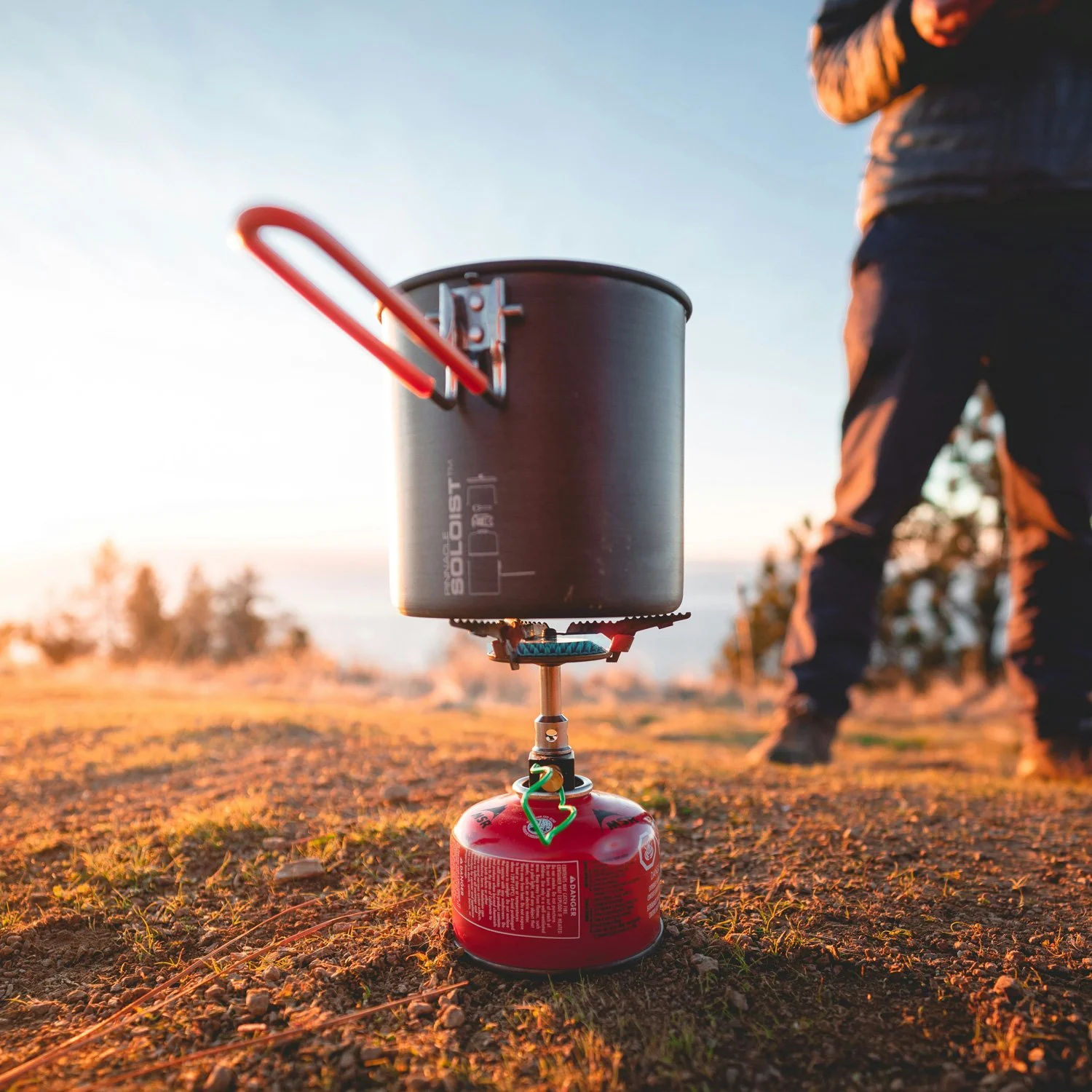
A backpacking stove keeps mealtime simple, but it only works if you bring the pieces that go with it. Choose a stove that’s lightweight and easy to use, and don’t forget the small essentials that beginners often overlook: your cooking pot, a lighter, and a backup fire starter. These tiny items make the difference between a warm dinner and a cold, frustrating night.
6. Food Storage
Always check the food-storage rules for the area you’re backpacking in, whether that means using a bear canister, hanging your food, or relying on provided food lockers. No matter the system, keep all food well away from your tent at night. During the day keep snacks where you can reach them easily. And choose meals that require minimal cleanup.
7. Water Filter or Purifier
Your water filter or purifier keeps you hydrated and healthy on the trail, so pick one that feels intuitive and easy to operate. Practice using it at home first so you’re not learning under pressure. Always know where your next water source is, and filter before you absolutely need to—you’ll be glad you did.
8. Map + Offline Navigation
Even on well-marked trails, navigation matters. Bring a physical map and download offline maps to your phone so you’re covered if the signal drops. A small battery pack ensures your device stays alive. Knowing where you are—and where you’re going—keeps your trip safe and stress-free.
9. First-Aid Kit
We recommend picking up a backpacking-friendly first-aid kit from your local outdoor retailer. At a minimum, you’ll want supplies for basic wound care, blister treatment, pain relief, and any personal medications. Don’t overlook foot care—happy feet make every mile easier.
10. Repair Kit
A small repair kit can save your trip when something unexpected breaks. Include a few essentials—gear tape, a couple of zip ties, safety pins, a multi-tool, and a patch kit for your sleeping pad. These tiny items weigh almost nothing but can solve big problems on the trail.
11. Headlamp
A reliable headlamp is non-negotiable. Bring extra batteries—night arrives faster than you think.
12. Fire Starter
A reliable fire starter is essential, even if you don’t plan to build a campfire. Bring a lighter as your primary ignition source and a backup—such as waterproof matches—in case conditions are wet. It’s also wise to carry a ferro rod for emergencies. Having multiple ways to start a flame is simple insurance in the backcountry.
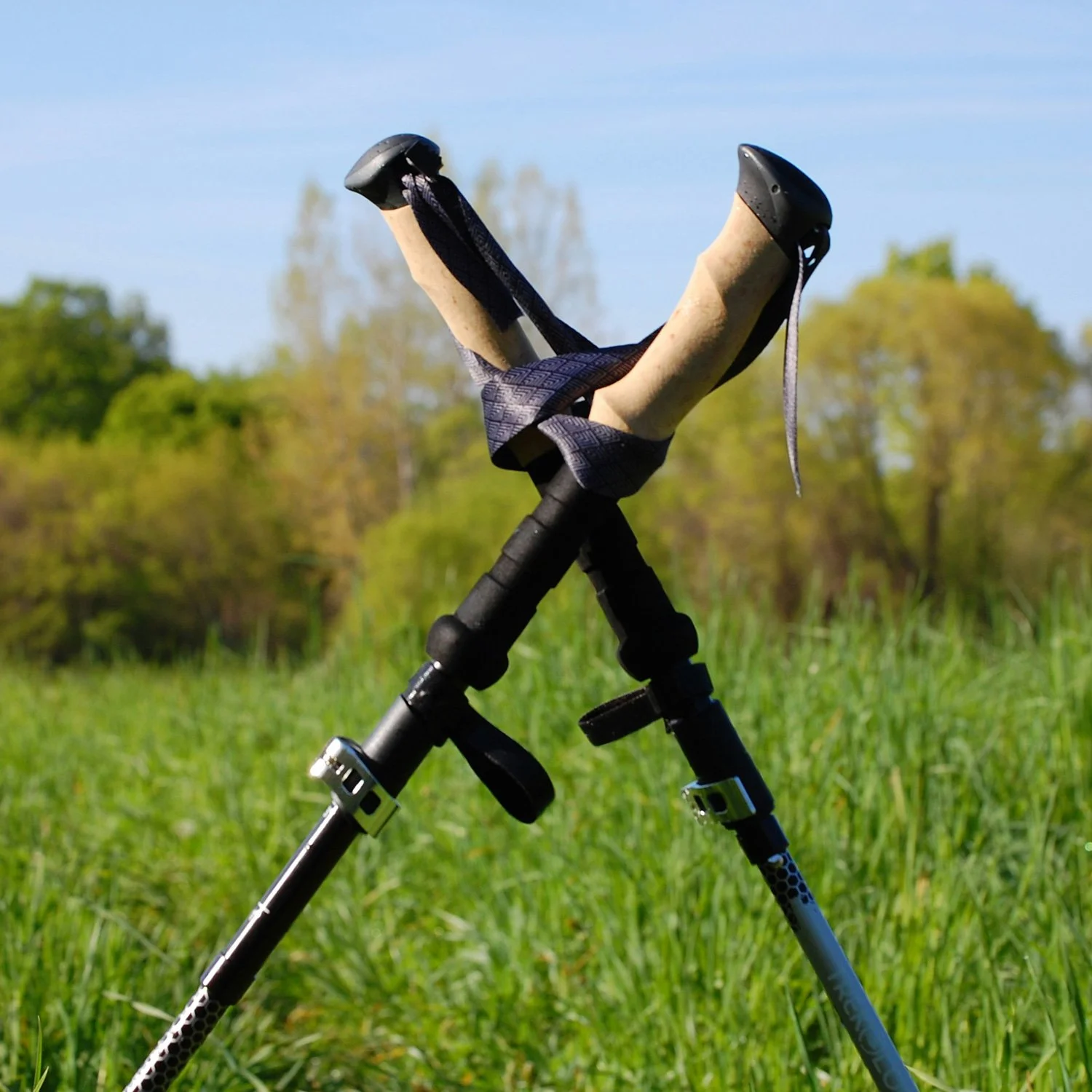
13. Trekking Poles
Trekking poles take pressure off your knees, improve balance, and make both climbs and descents easier. They’re especially helpful for beginners carrying a heavier pack or hiking uneven terrain. Think of them as extra points of stability that help your body move more efficiently.
14. Packable Pillow
Better sleep = better hiking. A tiny luxury worth its weight.
15. Sun Protection
SPF, hat, lip balm, sunglasses.
16. Bug Protection
17. Trash Bag or Large Ziplock
Simple, effective, and essential for Leave No Trace.
How to Pack a Hiking Backpack
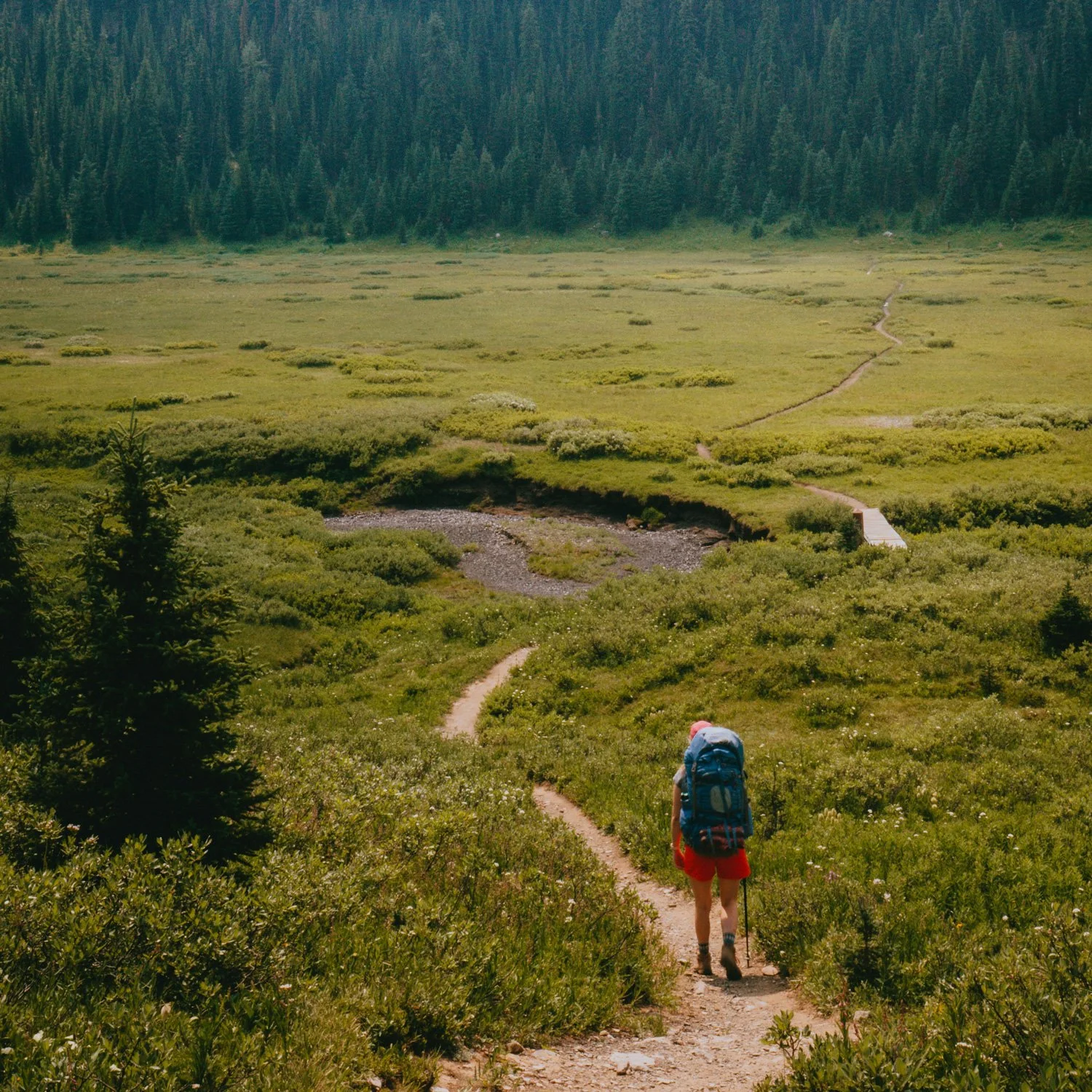
Learning how to pack a hiking backpack is a defining part of backpacking for beginners. A simple approach works best: place your heavy items—like food, water, and your stove—close to the center of your back for better stability. Softer, lighter items such as your sleeping bag can go at the bottom, while additional layers or a water filter can sit near the top where they’re easier to reach. Keep quick-access essentials like snacks, water, and your map in exterior pockets, and use waterproof stuff sacks to stay organized and protect your gear from weather.
Food Planning Made Simple
Backpacking food doesn’t have to be fancy. Pick meals that are light, packable, and fast to make, and aim for foods that keep your energy up without creating a lot of cleanup. We especially like freeze-dried meals—they’re easy, satisfying, and all you need is boiling water.
Dial in Your Water Strategy
Water is essential to safety and performance. Identify reliable sources beforehand, and filter early in the day rather than waiting until you’re desperate. Understanding your route’s water landscape is one of the most meaningful skills in backpacking.
Choose and Prepare Your Campsite Thoughtfully
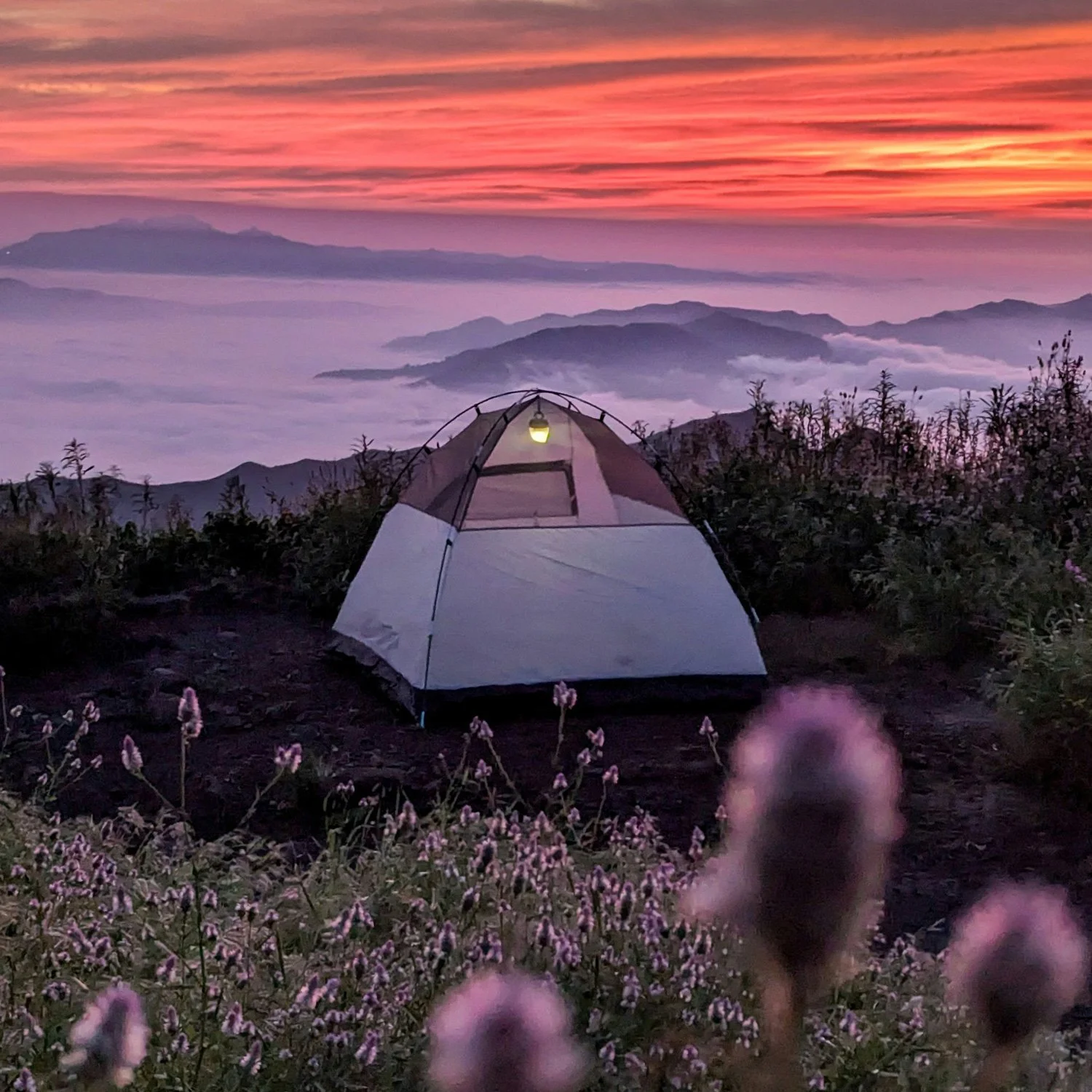
Preparing your campsite starts with choosing a safe, level spot to set up your tent—away from dead branches overhead and not too close to water. Give yourself time before dark to pitch your shelter, filter water, and organize your gear. Plan to cook and eat away from your tent to keep food smells out of your sleeping area and reduce wildlife interest. A little intention as you settle in makes camp life smoother and far more enjoyable.
Expect Challenges—and Let Them Teach You
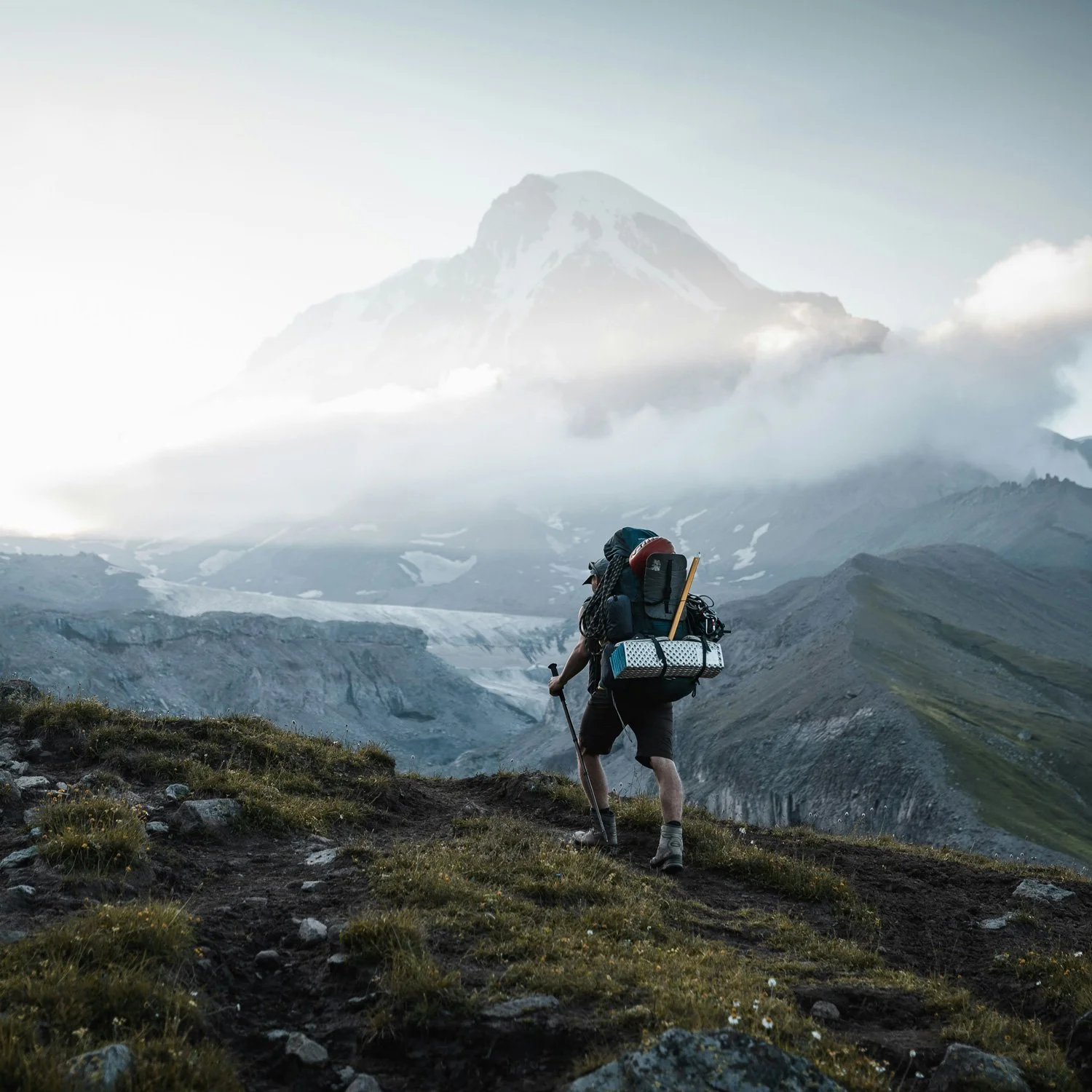
Every backpacker remembers their first trip not because it was the perfect hiking and camping experience, but because it was transformative. You’ll learn what gear you actually use, what you didn’t need, how it feels to sleep outside, and what you want to change next time. This is the real spirit of backpacking for beginners: learning through small missteps and quiet wins.
Keep your early trips short, simple, and close to home.
Pack light.
Stay curious.
Build confidence one trail at a time.
Before long, you’ll feel at home carrying everything you need on your back.