
Hiking With Kids
What’s the Goal?
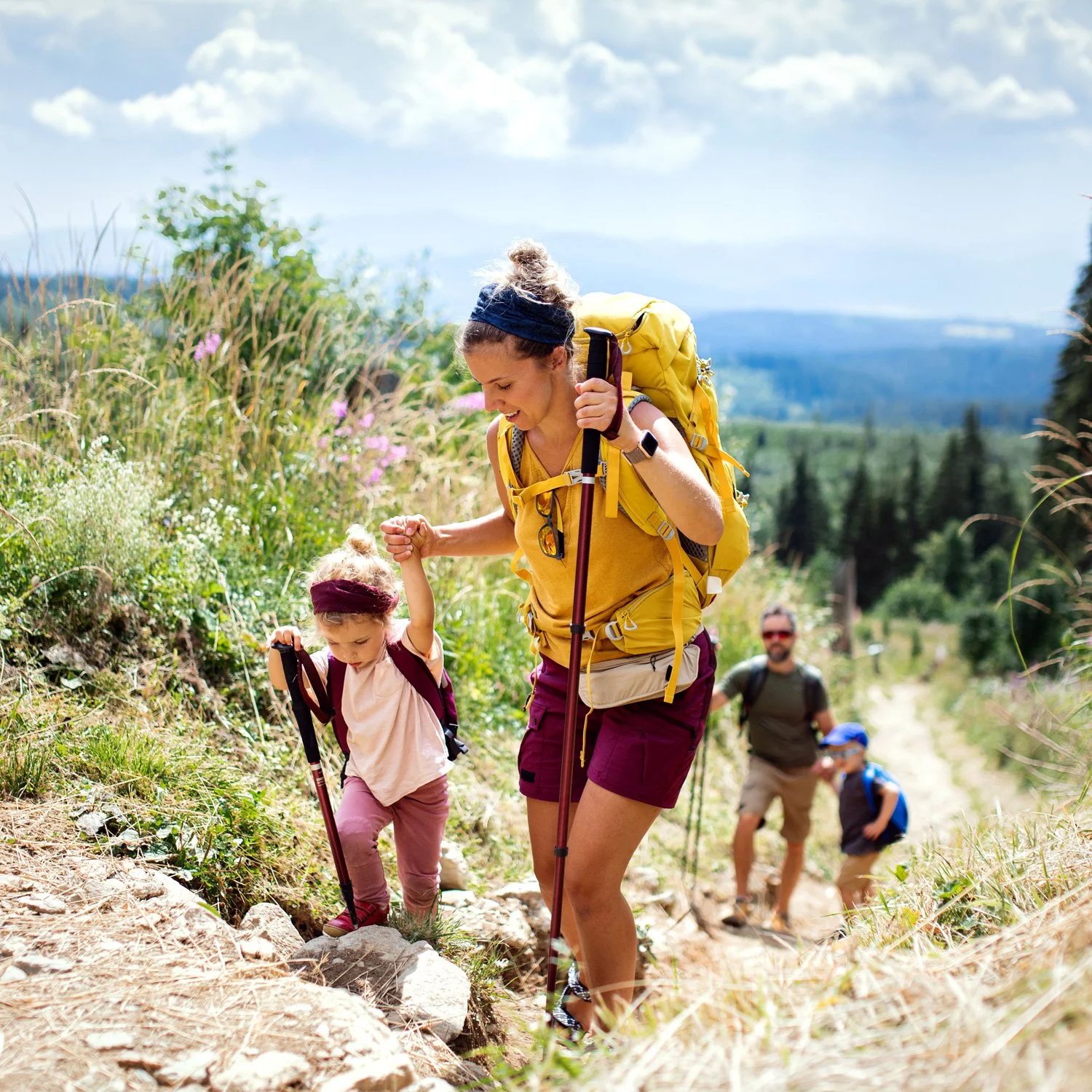
Hiking with kids is less about distance and destinations and more about shared experience. A hike with children invites you to slow down, notice smaller details, and redefine what “success” looks like outdoors. It’s not about crushing miles or reaching a summit—it’s about fresh air, curiosity, and time together.
When kids are involved, hiking becomes an exercise in flexibility and presence. Plans shift, energy levels fluctuate, and attention drifts toward bugs, rocks, and winding paths. That’s not a drawback—it’s the point. These moments help children build confidence outside while reminding adults why being outdoors matters in the first place.
One overlooked benefit of hiking with kids is how naturally it teaches awareness. Trails introduce basic risk assessment—uneven ground, changing weather, and pacing—in a way that feels experiential rather than instructional. Over time, kids learn how to move carefully, listen to their bodies, and respect the environment.
Hiking With Family
Hiking with family creates a shared rhythm that’s hard to replicate elsewhere. Phones stay in pockets, conversation flows more freely, and everyone experiences the same trail at their own pace. Even short walks can become meaningful when they’re unhurried and intentional.
Family hikes also offer a low-pressure way to spend time together. There’s no expectation to perform or entertain—movement and nature do most of the work. Over time, these outings become familiar touchpoints, something kids remember not as “exercise,” but as time spent together.
Involving kids in small decisions can make a big difference. Letting them help choose the trail, decide when to take a break, or set a turnaround point gives them ownership and makes the experience feel shared rather than assigned.
Hiking With Kids of Different Ages
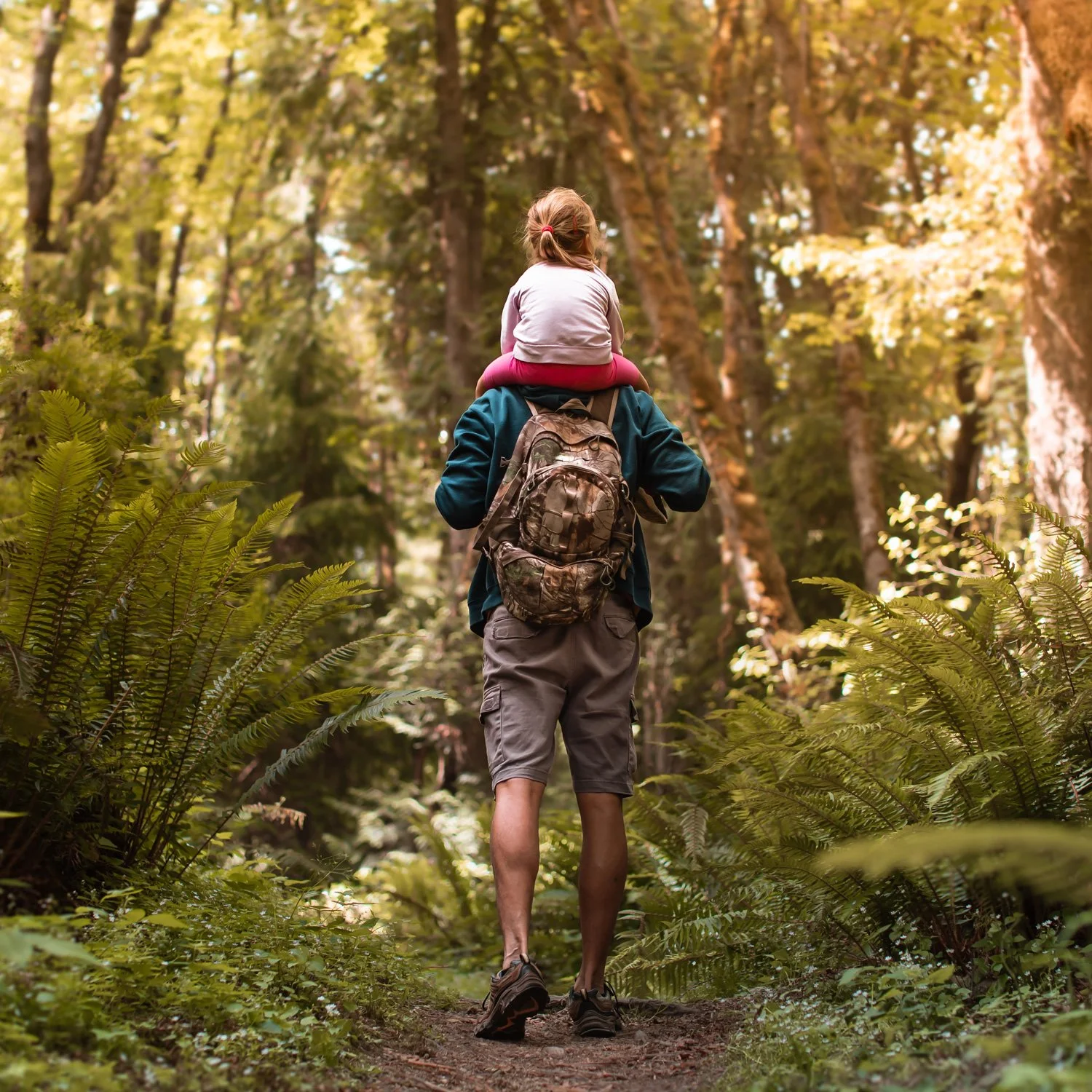
Hiking with kids looks different depending on their age, and that’s not something to fix—it’s something to adapt to.
Younger kids often thrive on short outings with lots of sensory stops. They may move slowly, but they notice everything. For them, the trail itself is the destination.
Elementary-age kids tend to enjoy structure and responsibility. Giving them small leadership roles—holding the map, spotting trail markers, or choosing snack breaks—can increase engagement and confidence.
Older kids may be ready for longer distances and more input into planning. Inviting them into decisions about routes or timing helps hiking feel collaborative and builds skills they’ll use later on.
Each stage brings something different. Matching expectations to the season you’re in keeps hiking enjoyable for everyone.
Hiking Activities for Kids
Hiking becomes far more engaging for children when it includes play, imagination, and a sense of purpose. Thoughtful hiking activities for kids don’t need to be planned in advance or packed into a schedule. In many cases, they simply give structure to curiosity that’s already there.
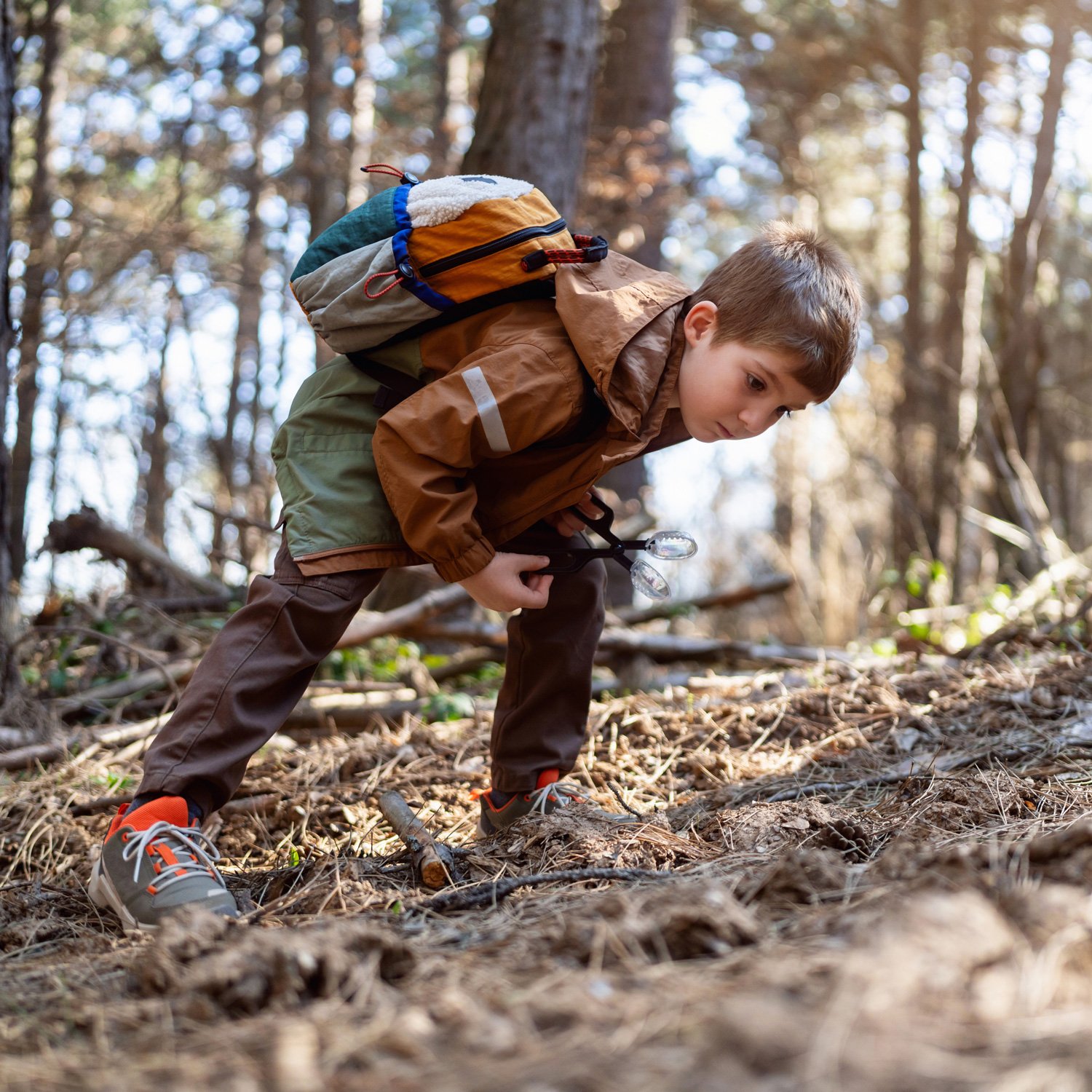
One of the easiest ways to keep kids involved is to turn observation into a game. Ask them to look for different shapes of leaves, notice changes in the ground, or spot signs of animals that passed through earlier. These small challenges slow the pace in a natural way and help kids feel connected to their surroundings.
Giving kids responsibility can also shift their mindset. Let them take turns leading the group, watching for trail markers, or deciding when to pause for water. These moments make the hike feel collaborative rather than directive, which often reduces resistance and builds confidence.
Imaginative play fits easily into hiking. A fallen log can become a bridge, a rock outcropping a lookout point, and a quiet stretch of trail a place to invent stories. Asking open-ended questions—who might live here, where does this trail go next, or what would this place look like in another season—turns hiking into creative exploration.
Some families find that simple challenges help maintain momentum. Counting steps between landmarks, guessing how long until the next bend in the trail, or choosing a “destination” like a tree or rock ahead gives kids a short-term goal without pressure.
It’s also worth leaving space for unstructured moments. Sitting quietly near a stream, examining a pinecone, or watching clouds move can be just as meaningful as any game. These pauses help kids learn that being outside doesn’t always require constant activity.
At their best, hiking activities don’t distract from the trail—they deepen engagement with it. When kids feel curious, capable, and included, hiking becomes something they want to return to, not something they have to get through.
What Clothes to Wear for Hiking
Knowing what clothes to wear for hiking with kids is mostly about comfort and adaptability. Children are sensitive to temperature changes and tend to stop and start more than adults, which makes layering important.
Breathable base layers help manage sweat and movement, while warm mid-layers are useful during breaks. A light jacket or wind shell adds weather protection without much bulk. Comfortable shoes with good traction—often sturdy sneakers or trail shoes—are usually enough for easy trails.
Bright or easily visible colors can help on busy or wooded trails, making it easier to keep track of kids while still giving them room to explore.
Extra socks and a spare layer are often worth packing, especially for younger children. Staying dry and warm goes a long way toward keeping spirits high.
What to Bring Hiking With Kids
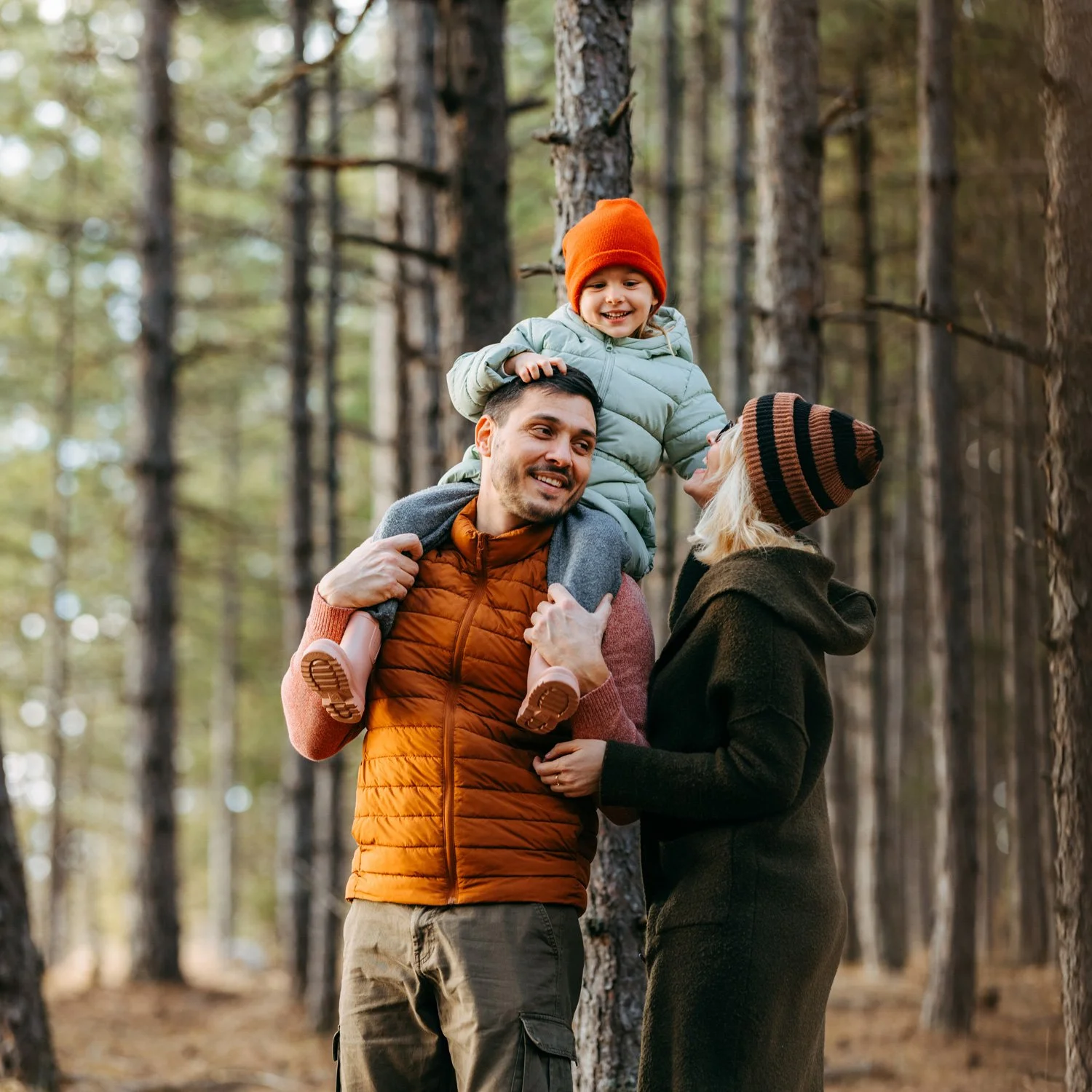
When hiking with kids, a few thoughtful extras can make the difference between a smooth outing and an early exit. Children burn energy quickly, and comfort often determines how a hike feels.
In addition to water and appropriate layers, it helps to bring extra snacks, sun protection, and a lightweight backup layer—even on warm days. Small items like wipes or bandanas can also come in handy for hands and faces.
You don’t need to overpack. The goal is to be prepared enough that small discomforts don’t derail the experience. When kids feel cared for, they’re more open to staying curious and engaged.
How to Plan a Hiking Trip
Understanding how to plan a hiking trip with kids starts with choosing the right trail. Shorter distances, minimal elevation gain, and interesting surroundings tend to work best. Loop trails or out-and-back routes offer flexibility if energy fades earlier than expected.
Planning with time in mind rather than mileage often works better. Kids experience trails in bursts—moving, stopping, exploring—so a slower pace is normal.
It also helps to set expectations ahead of time. Let kids know roughly how long you’ll be out, what the trail looks like, and when breaks are likely to happen. Clear expectations reduce frustration and make the hike feel more manageable.
Planning creates structure, but flexibility keeps the experience positive. Turning around early is part of learning what works.
Hiking Safety With Kids
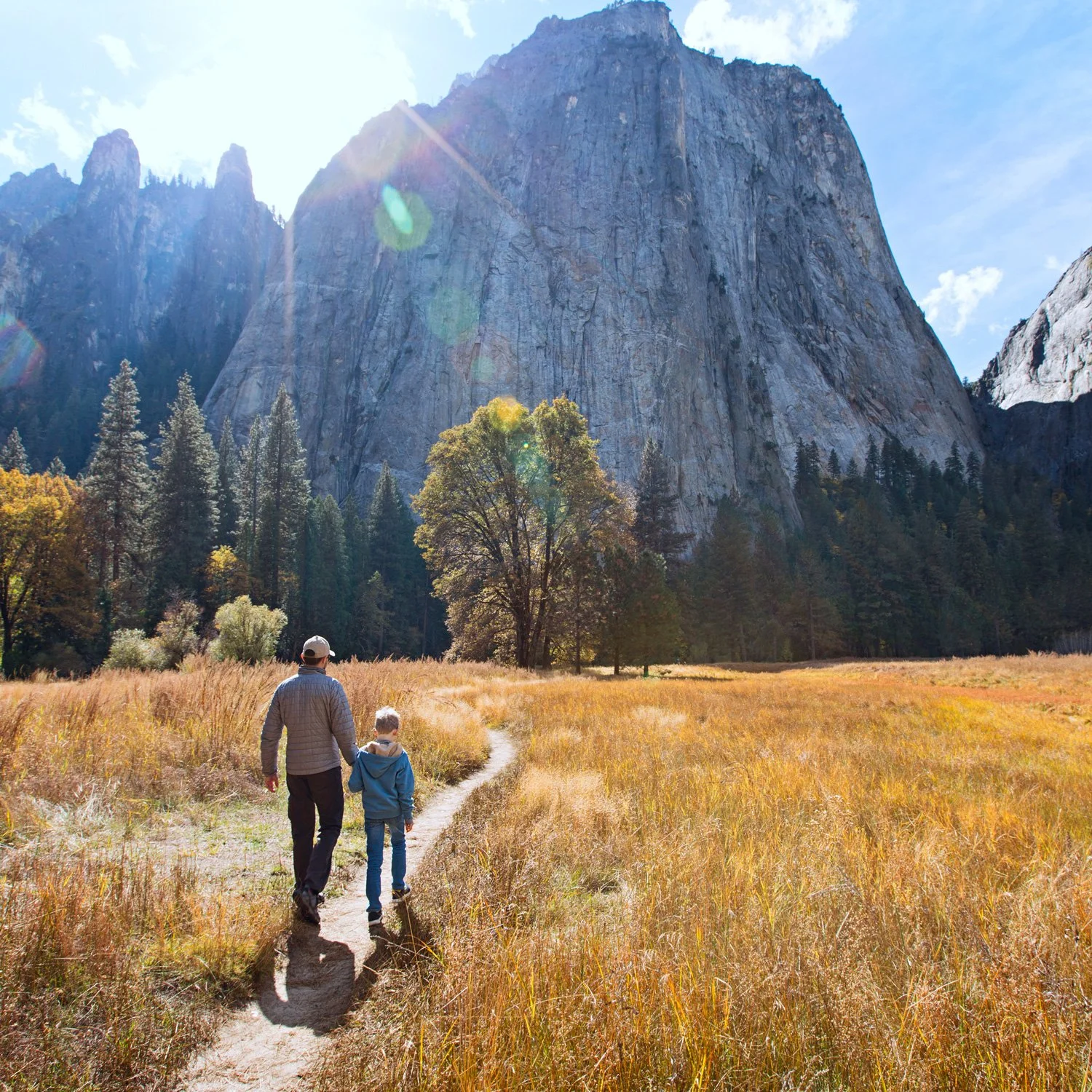
Hiking safety with kids doesn’t need to feel intimidating. In many cases, it comes down to awareness, communication, and choosing trails that match the day and your families abilities.
Before starting out, set a few simple guidelines such as—staying within sight, pausing at trail crossings, and checking in regularly. These conversations give kids confidence rather than making them feel restricted.
On the trail, pacing matters. Slowing down early, taking breaks often, and paying attention to signs of fatigue helps prevent small challenges from becoming bigger ones.
Another important safety tool is permission to turn around. Ending a hike early isn’t a failure—it’s a skill.
Teaching Respect for the Outdoors
Hiking with kids naturally opens the door to conversations about caring for shared spaces. Staying on trail, packing out trash, and observing wildlife from a distance build awareness without overwhelming rules.
These moments don’t always need to be formal lessons. Modeling respectful behavior often teaches more than explanations. Kids notice how adults treat the trail and follow suit.
Over time, these small examples shape how children relate to the outdoors long after the hike ends.
Managing Expectations (For Parents)
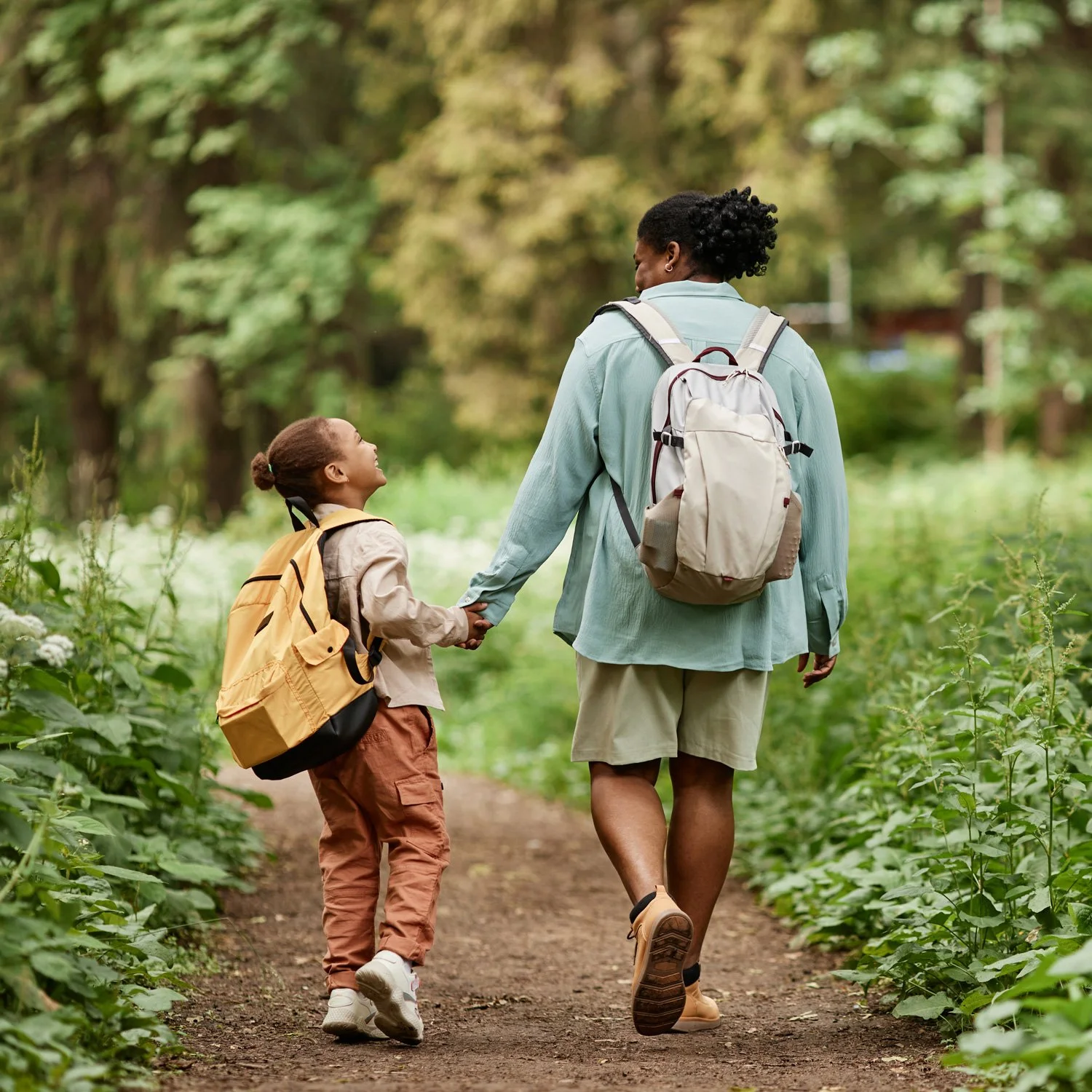
One of the hardest parts of hiking with kids is managing expectations—especially your own. Some hikes will feel effortless and memorable. Others will feel slow, messy, or cut short.
That doesn’t mean you’re doing it wrong.
Kids have off days. Weather shifts. Energy disappears faster than expected. Learning to adapt without frustration is part of what makes family hiking sustainable.
Instead of measuring success by distance or destination, it can help to ask simpler questions: Did we get outside? Did we move a little? Did we share time together? If the answer is yes, the hike did its job.
When Hiking With Kids Isn’t Fun (And That’s Okay)
Not every hike will be fun for everyone, and that’s normal. There will be moments of boredom, resistance, or complaining. These moments don’t cancel out the value of being outside—they’re part of the learning curve.
Over time, kids build familiarity and confidence. What feels uncomfortable today often becomes routine tomorrow. Staying patient during the harder moments helps keep the experience positive, which makes kids more willing to return to the trail.
Making Hiking With Kids Sustainable
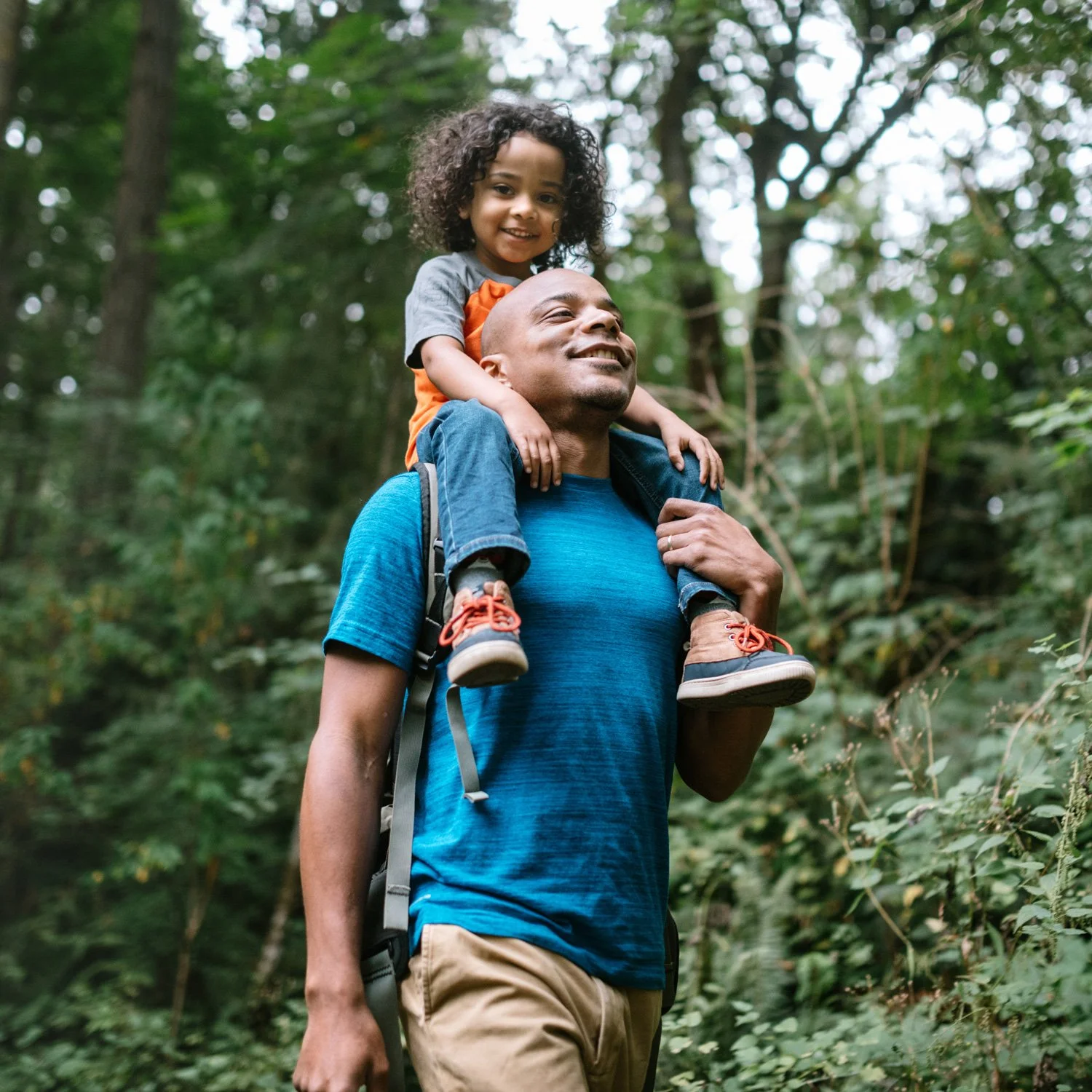
The most successful approach to hiking with kids is one that’s repeatable. When outings feel approachable and positive, kids are more likely to want to go again. That builds confidence, comfort outdoors, and a natural connection to movement and nature.
Hiking doesn’t need to be epic to be meaningful. A short walk after school, a weekend trail close to home, or a slow wander through the woods all count. Over time, these small experiences weave together into something lasting—a shared family rhythm rooted in being outside.
Hiking with kids isn’t about raising expert hikers. It’s about raising curious, capable humans who feel at home outdoors. It’s also about enjoying the journey alongside them.