
How to Get Outside More Often
Spending Time Outside
Most people want to spend more time outside. They like the idea of fresh air, movement, and a break from screens. But good intentions often collide with busy schedules, low energy, or the sense that getting outside requires more planning than it’s worth.
The truth is simpler: getting outside more often isn’t about adding something big to your life. It’s about adjusting how you see time, effort, and what “counts” as being outside. Small, repeatable choices often matter more than occasional grand plans.
This guide focuses on practical ways to make being outside feel natural, doable, and sustainable—no pressure, no perfection.
The Real Barrier Is Friction, Not Motivation
Most people don’t need more reasons to get outside. They already know it would help. What gets in the way is friction—the small, quiet obstacles between intention and action.
Not knowing what to do. Feeling short on time. Thinking it needs to be “worth it.” Waiting for the right weather or the right mood. When those hurdles stack up, staying inside becomes the easier option.
Getting outside more often isn’t about pushing yourself harder. It’s about making the first step easier.
Redefine What “Getting Outside” Means
One of the biggest obstacles is an all-or-nothing mindset. We picture long hikes, perfect weather, or full afternoons free. When those conditions aren’t available, we assume outside time isn’t possible.
But getting outside doesn’t have to be impressive to be valuable.
Standing in the yard with your coffee. Walking one block after dinner. Sitting on a bench instead of scrolling on the couch. These moments still count. They still shift your perspective and reconnect you with the world beyond your walls.
When you stop measuring outside time by duration or difficulty, it becomes much easier to fit into real life.
Let Outside Time Support, Not Compete With, Life
Getting outside more often shouldn’t feel like something you’re squeezing in or sacrificing for. It works best when it supports the life you already have.
Time outdoors can be restorative, grounding, and clarifying. It creates space to think, breathe, and notice. When you treat it as a resource instead of a requirement, it becomes something you return to naturally
Also, habits stick best when they’re tied to things you already do. Instead of asking, “When can I get outside?” try asking, “How can this already-existing moment happen outside?”
Take phone calls while walking. Eat lunch outdoors when possible. Let errands include a short walk instead of driving when distance allows. Open the door first before deciding whether to stay inside. These small defaults reduce friction. You’re not carving out extra time—you’re simply shifting where life happens.
Start With Low-Effort Wins
Consistency matters more than motivation. If going outside feels like another task, it won’t last.
Choose activities that require almost no setup:
A five-minute walk
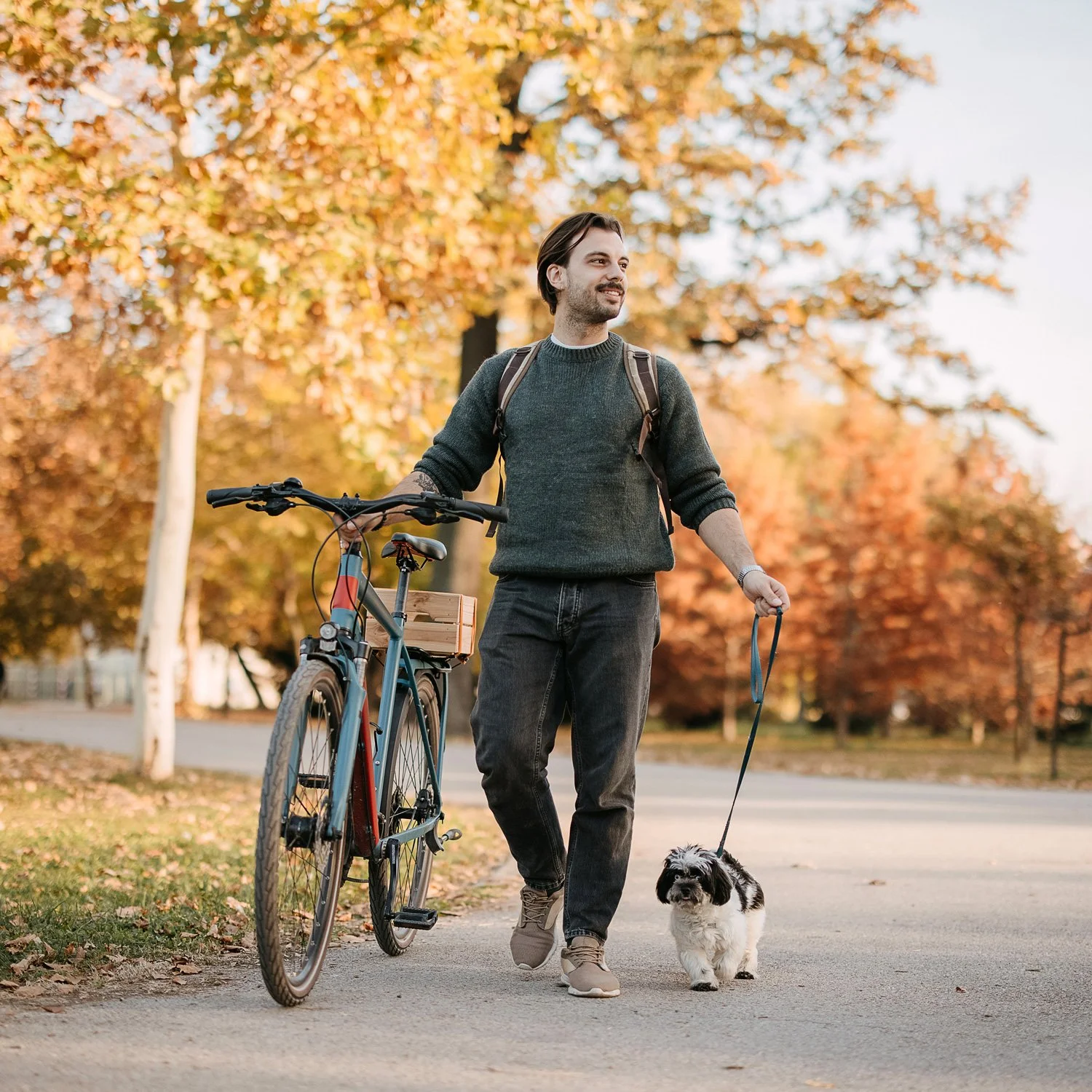
Sitting outside while your dog explores
Stretching on a porch or patio
Watching the sky change at sunset
Low effort lowers resistance. Once you’re outside, you often stay longer than planned—but even if you don’t, you’ve still succeeded.
Short, frequent moments outside build familiarity. Familiarity builds comfort. And comfort makes it easier to keep going.
Use Time Anchors Instead of Schedules
Strict schedules can backfire, especially when life is unpredictable. Instead of assigning a specific time, attach outside moments to natural anchors in your day.
Morning light. After meals. End of the workday. Before bedtime.
Time anchors work because they follow the flow of your day instead of fighting it. They give outside time a clear place without locking it to the clock. If one anchor gets missed, the day isn’t “ruined”—another moment will come along.
Anchors also help reframe transitions. Stepping outside can mark the shift between work and rest, movement and stillness, effort and recovery. Over time, these small transitions become cues your body recognizes, making outside time feel automatic rather than forced.
The goal isn’t consistency at a specific hour. It’s consistency in noticing the moments when stepping outside fits naturally.
Try Micro-Adventures After Work
One of the most common reasons people struggle to get outside more often is timing. By the end of the workday, energy is limited and the idea of planning something “worthwhile” can feel overwhelming.
This is where micro-adventures shine.
Micro-adventures are small, intentional experiences that fit into real evenings—no travel, no gear prep, no big commitment. They’re designed to work with the energy you actually have after work, not against it.
That might look like exploring a nearby trail, watching the sunset from a different spot than usual, wandering a new neighborhood, or simply stepping outside with curiosity instead of a goal. The experience doesn’t have to be long to be meaningful.
If evenings are when outside time feels hardest, we put together a list of 20 micro-adventures you can do after work that are approachable, flexible, and easy to repeat. You can explore those micro-adventure ideas here.
Think of micro-adventures as permission to keep it small. They don’t replace bigger outings—they make getting outside possible on ordinary days.
Keep Gear Simple and Accessible
Gear can be helpful—but it can also quietly become a barrier. When getting ready feels complicated or scattered, it’s easy to decide that going outside isn’t worth the effort.
The goal isn’t to have the perfect setup. It’s to reduce the number of decisions you have to make before you step out the door.
Keep the basics easy to grab. Shoes by the door. A jacket you actually wear within reach. Layers that work across a range of conditions instead of one outfit for every scenario. When the most common needs are handled, the choice to go outside becomes simpler.
It also helps to create a “default” setup—clothes or gear you reach for without thinking. Familiarity removes hesitation. When you know what you’re going to wear and where it lives, outside time stops feeling like something you have to prepare for and starts feeling like something you can just do.
The best gear is the gear that gets used. When your setup supports spontaneity instead of requiring planning, getting outside becomes a natural extension of your day rather than a task you have to talk yourself into.
Embrace Imperfect Conditions
Waiting for ideal weather often means waiting forever. Wind, clouds, cold, or light rain don’t cancel the benefits of being outside—they change the experience.
Most days don’t require perfect conditions. They require acceptable ones.
Different weather sharpens awareness and breaks monotony. You don’t have to love every moment to benefit from it. A helpful mindset shift is to ask, “What does this weather offer?” rather than “Is this good enough?”
Let Variety Keep It Sustainable
Outside time doesn’t have to look the same every day. Some days it’s movement. Other days it’s stillness. Sometimes it’s social, sometimes solitary. Sometimes playful, sometimes quiet.
Giving yourself permission to vary how you go outside keeps it from turning into another rigid routine. When outside time adapts to your energy instead of fighting it, it’s easier to return to.
Lower the Bar for Success
Many people stop going outside because they feel like they’re failing when plans fall short. But success doesn’t have to look the same every day.
Some days, outside time is a long walk or a hike. Other days, it’s opening a window and standing in the sun for two minutes. Both matter.
When success is defined by participation—not duration or intensity—you’re far more likely to keep going.
Try the JoyWild 30-Day Challenge
Even with the right mindset, consistency can still be hard. Not because you don’t care—but because life gets busy, energy fluctuates, and it’s easy to fall back into old patterns.
That’s why we created the JoyWild 30-Day Challenge.
The challenge isn’t about doing more. It’s about showing up—once a day, in small, approachable ways. For 30 days, you’ll be invited to step outside more often, without pressure to hike farther, go longer, or make it impressive.
Some days might include a walk or intentional movement. Other days might be as simple as standing outside, noticing the air, or pausing long enough to feel the day around you. Every version counts.
The structure removes guesswork while keeping things flexible. Over time, that simplicity builds rhythm. Outside time hopefully starts to feel normal instead of optional.
If getting outside more often is something you’ve been meaning to do—but haven’t quite made stick—the JoyWild 30-Day Challenge is a gentle place to begin.
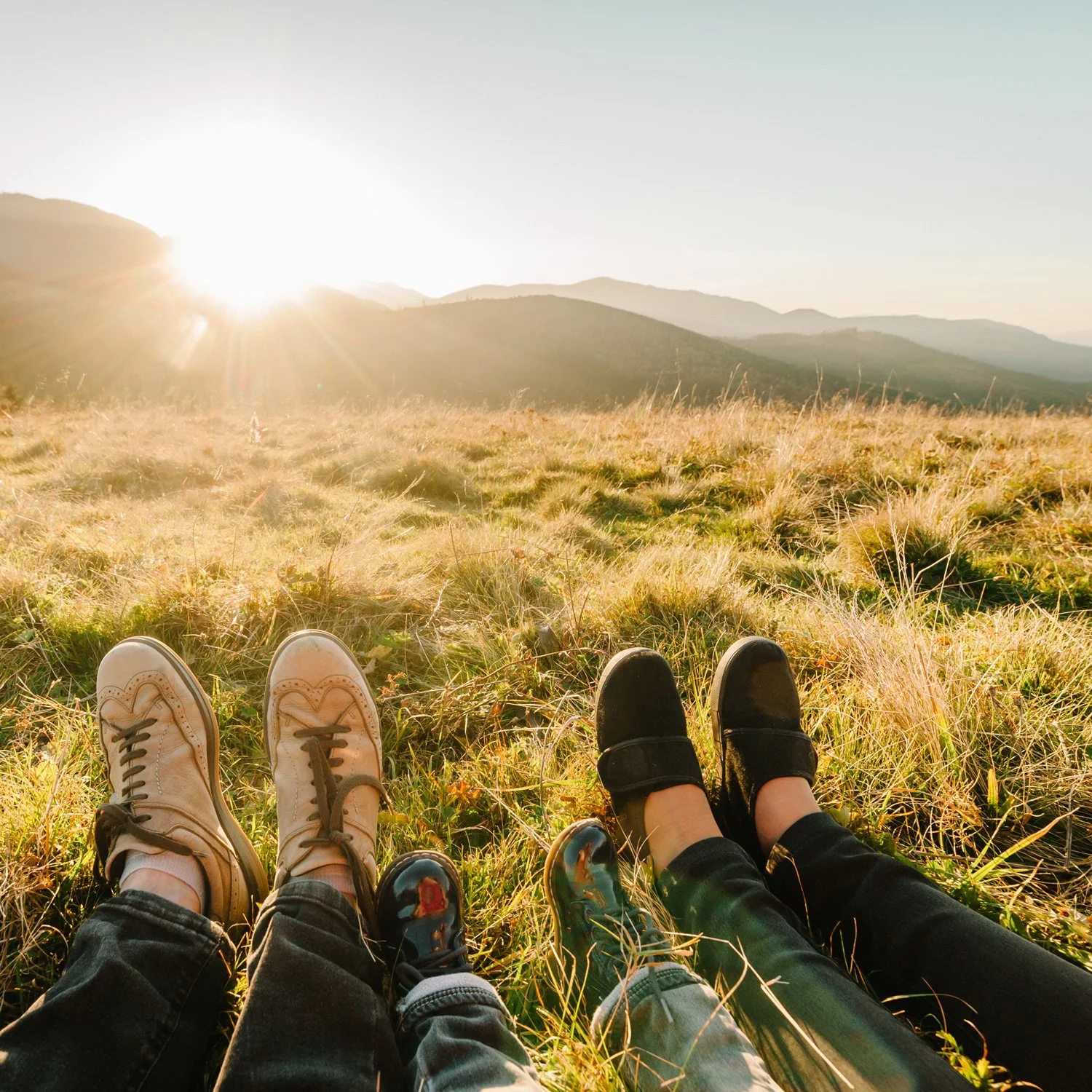
Now, Get Outside
You don’t need more ideas. You need fewer reasons not to go.
You don’t need a new routine, more discipline, or a bigger calendar block to get outside more often. You need permission to keep it small, flexible, and imperfect.
For starters. Open the door. Step outside for a moment. And let that be enough.
These moments add up—not into something dramatic all at once, but hopefully into a life that feels more connected, more present, and more alive over time.