
How to Plan a Camping Trip
Start with the Camping Basics
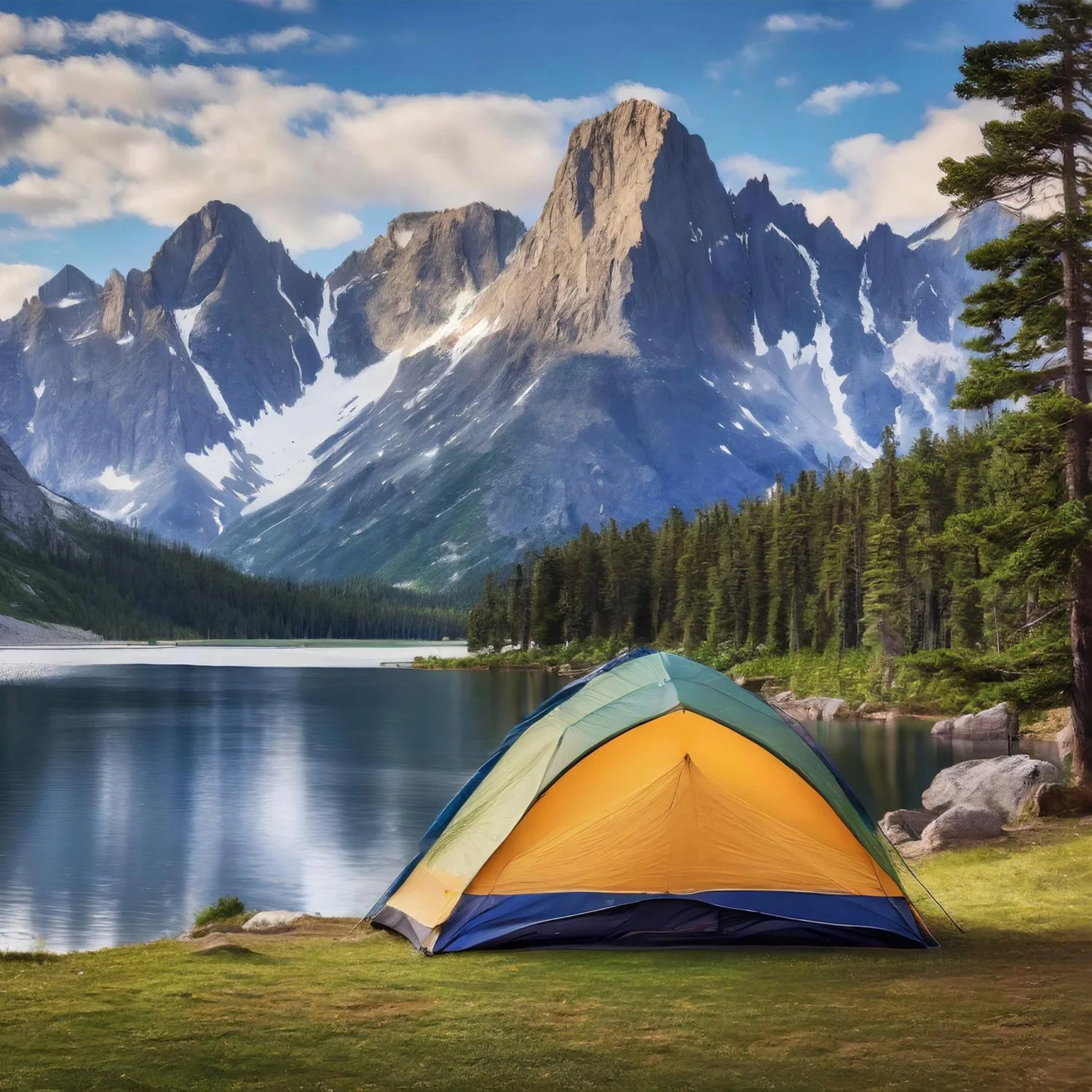
Learning how to plan a camping trip doesn’t have to feel overwhelming. At its core, camping is about getting outside, slowing down, and spending time in a different rhythm than everyday life. A little planning helps remove friction so you can actually enjoy the experience once you arrive.
Whether you’re heading out solo, with friends, or bringing kids along, the goal is the same: create a trip that feels manageable, flexible, and memorable—for the right reasons.
Where, When, and How Long
Every successful camping trip starts with a few foundational decisions that quietly shape the entire experience.
Where you’re going determines how much effort and self-sufficiency the trip requires. Developed campgrounds offer predictability—restrooms, picnic tables, and easier access—which can lower stress, especially for beginners or families. More primitive sites offer solitude and immersion but require more planning, gear, and adaptability. Choosing the right level of infrastructure helps align expectations with reality.
When you’re going influences far more than temperature. Seasonal timing affects daylight hours, crowd levels, bugs, and weather volatility. Early spring and late fall often bring quieter campgrounds and cooler temperatures, but they also demand more attention to layers and shelter. Planning with the season in mind helps you stay comfortable rather than reactive.
How long you’re staying impacts pacing and energy. Shorter trips often feel more relaxed, particularly if you’re new to camping. A single overnight can be enough to reset without creating fatigue, while longer trips benefit from rest days and simpler plans built in.
Choose the Right Campsite
Picking the right campsite is one of the most overlooked parts of planning—and one of the most important.
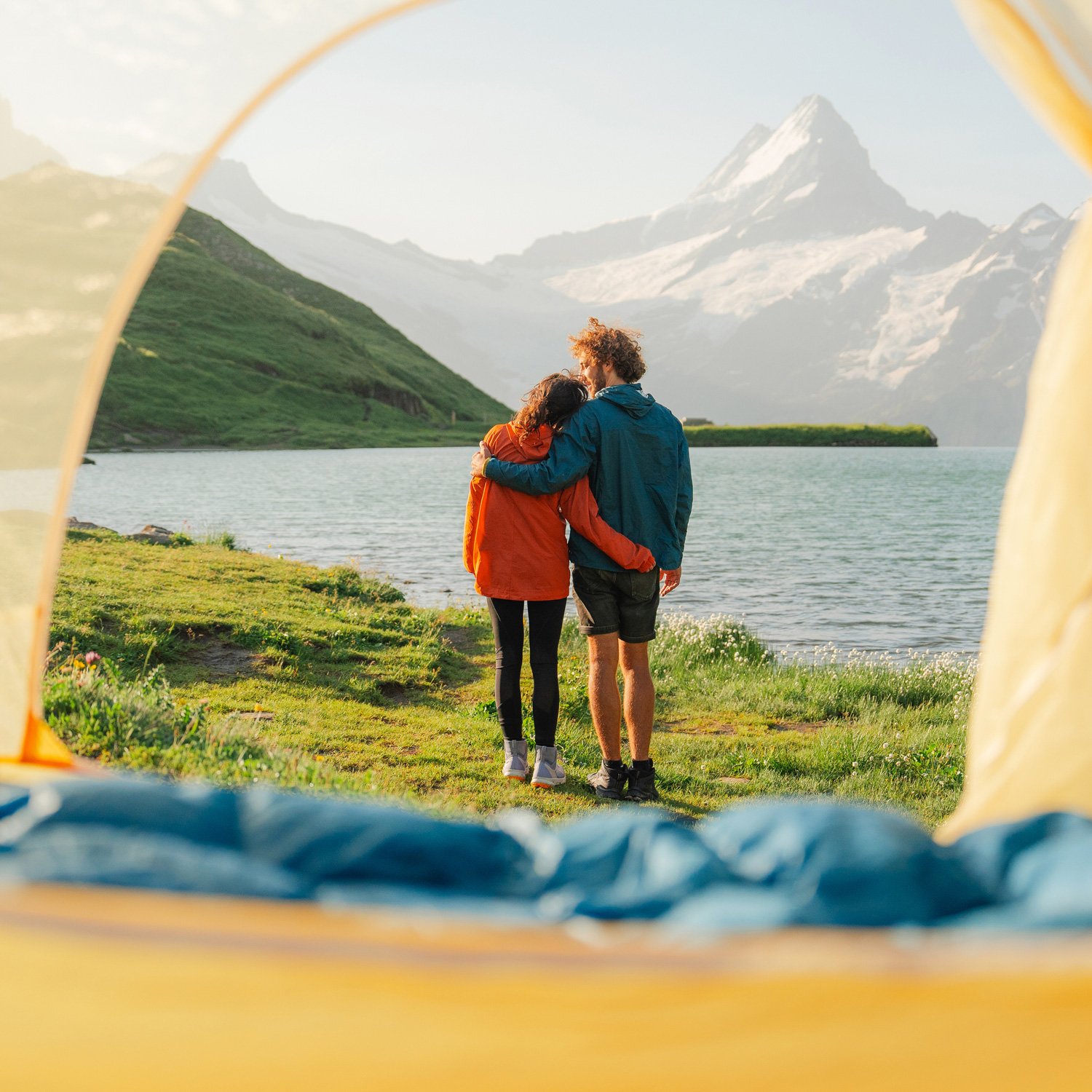
Beyond scenery, consider practical details like shade, wind exposure, drainage, and distance to restrooms or water. Campsites that offer natural shelter and a bit of space between neighbors often feel more restful, especially during busy seasons.
Think about how you’ll actually use the site. Is there room for kids to move around? Space to cook comfortably? A flat area for sleeping? A campsite that supports how you want to spend your time often leads to better rest and fewer frustrations.
In many cases, the most enjoyable campsite isn’t the most dramatic—it’s the one that quietly supports ease.
Plan Simple, Flexible Meals
Camping meals shape the rhythm of the day more than people realize.
Simple food choices help conserve energy and reduce decision fatigue. When meals are easy to prepare and familiar, everyone stays more regulated—especially after long drives or active days. One-pot meals, pre-chopped ingredients, and repeat breakfasts all help create a smoother flow at camp.
Planning meals ahead of time also helps with packing efficiently and avoiding unnecessary extras. When you know what you’ll eat, you’re less likely to overpack or scramble at camp.
Snacks matter, too. Easy-to-grab food keeps energy steady between meals and makes spontaneous hikes or long afternoons feel more enjoyable.
Pack With Intention
Packing intentionally is about supporting comfort, not covering every possible scenario.
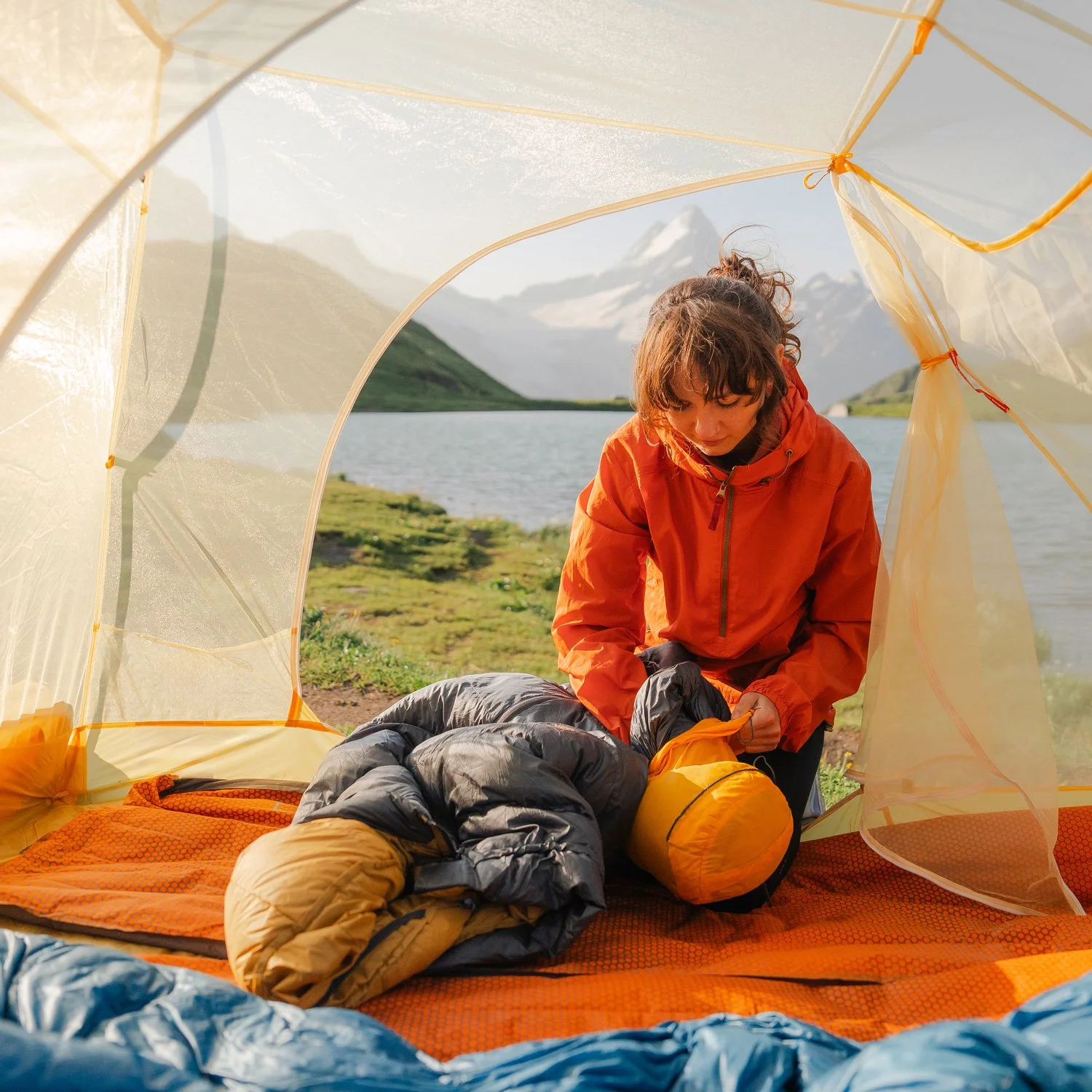
Start with essentials: shelter, sleep system, food, water, and clothing layers appropriate for the season. From there, think about what helps you feel settled. A comfortable chair, warm socks, or a favorite mug can dramatically improve your experience.
Avoid packing “just in case” items that add weight and clutter unless they’re truly necessary—like a first-aid kit—or provide meaningful peace of mind. Extra gear has a way of multiplying quickly, filling bins and bags with things that never leave the car or tent. The more you bring, the more there is to organize, move, and keep track of, which can quietly add stress to the experience. Packing fewer, more intentional items often makes camp feel calmer and easier to manage, allowing you to settle in faster and spend less time dealing with gear—and more time actually being outside.
Before leaving, check your gear. Setting up a tent at home or testing a stove removes quiet background stress and allows planning to fade away once you arrive.
How to Plan a Camping Trip With Friends
Planning how to plan a camping trip with friends works best when expectations are aligned early.
Start by talking about the overall tone of the trip. Is it a slow, social weekend or something more activity-focused? Are mornings relaxed or structured? Clarity upfront prevents tension later.
Sharing responsibility helps keep planning light. Dividing food planning, gear coordination, and logistics ensures no one carries the full mental load. It also gives everyone a sense of ownership in the experience.
Most importantly, agree that flexibility is part of the plan. Group trips are more enjoyable when adapting to weather, energy levels, or spontaneous ideas is expected—not seen as a problem.
Camping Tips for Beginners
For camping beginners, comfort and familiarity matter more than doing everything “right.”
Choose a campground close to home and plan a short trip. Being nearby reduces pressure and makes it easier to relax knowing you can adjust or head home if needed.
Focus on staying comfortable. Layered clothing, warm sleep gear, and simple meals go a long way. It’s better to feel rested and content than to push through discomfort in the name of experience.
Redefine success. A good first trip isn’t about distance, skills, or gear—it’s about enjoying yourself enough to want to go again.
Camping With Kids
Camping with kids benefits from margin more than structure.
Choose campsites with amenities and nearby activities to make transitions easier. Bathrooms, open spaces, and short walks help everyone settle into the environment.
Bring familiar comforts alongside outdoor gear. Favorite snacks, bedtime routines, or cozy layers can help kids feel secure in a new setting. Familiar rhythms make unfamiliar places feel safe.
Keep expectations realistic. Short outings, downtime, and unstructured play often lead to the best moments. Involving kids in small tasks helps them feel included without overwhelming them.
Prepare for Weather and the Unexpected
No camping trip goes exactly as planned—and that’s part of the experience.
Check the forecast before you leave, but expect conditions to change. Wind, rain, and temperature swings are manageable with proper layers, shelter, and mindset.
Carry basic safety items like a first-aid kit, a headlamp, fire-starting supplies, phone, and a way to access offline maps. Having the basics covered makes it easier to relax and enjoy being outside.
Adaptability sometimes matters more than perfect preparation. The ability to adjust calmly often determines whether challenges become stressors or stories.
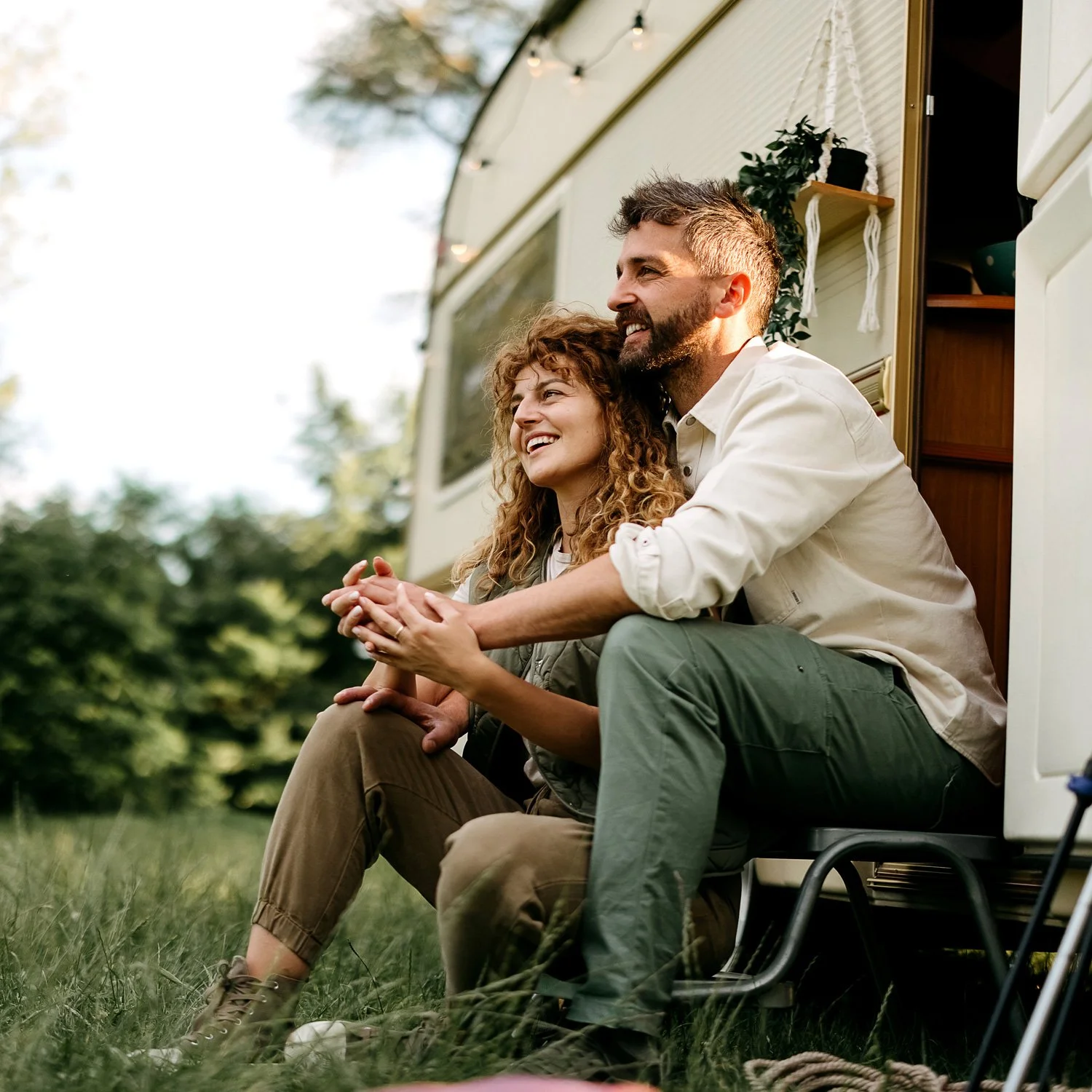
Camping is About the Experience
Knowing how to plan a camping trip isn’t about creating a flawless plan—it’s about making space for presence.
Plan enough to feel secure. Choose simplicity where possible. Leave room for quiet moments, unexpected conversations, and slowing down in ways daily life rarely allows.
Once you arrive, let the planning fade—and let the experience take over.