
The Best Ways to Stay Active Outdoors
Staying active outdoors doesn’t have to mean structured workouts or pushing your limits. Outdoor movement can be simple—about making space, stepping outside more often, and letting activity support your daily life rather than compete with it.
The best ways to stay active outdoors are usually the ones that feel easy to return to. Below are practical approaches to outdoor movement, starting with how to get outside more often in the first place.
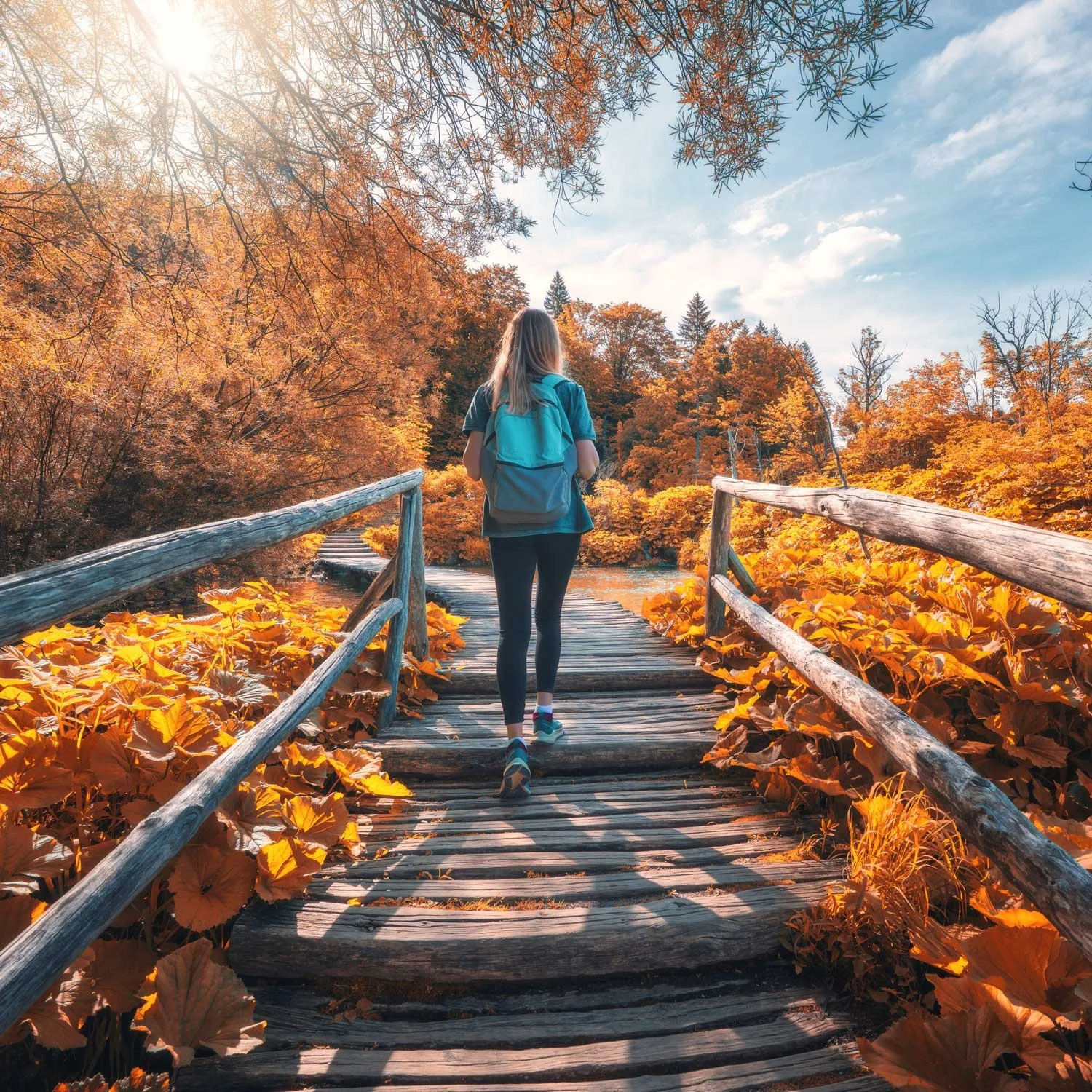
How to Get Outside More Often
Getting outside more often usually isn’t a motivation problem—it’s a friction problem. When outdoor time feels complicated or dependent on perfect conditions, it’s easy to skip. Reducing friction makes stepping outside far more consistent.
Redefine what counts
Outdoor time doesn’t need a destination or a duration. Standing in the sun, walking around the block, or sitting outside to think all count.
Use transitions
Step outside between meetings, after errands, or when switching tasks. These in-between moments are often the easiest opportunities.
Make outside the default
Take phone calls while walking. Eat a meal outdoors. Stretch or read outside when weather allows. Fewer decisions mean more consistency.
Keep gear simple and accessible
Shoes by the door. A jacket you can grab without thinking. When preparation is minimal, outdoor time happens more often.
Tie it to existing habits
Morning coffee, lunch breaks, and end-of-day resets are natural anchors for outdoor time.
Let energy guide the choice
Some days support longer outings. Others call for five quiet minutes outside. Both matter.
Remove pressure to optimize
Outdoor time doesn’t need to be tracked or justified. Changing environments is often enough.
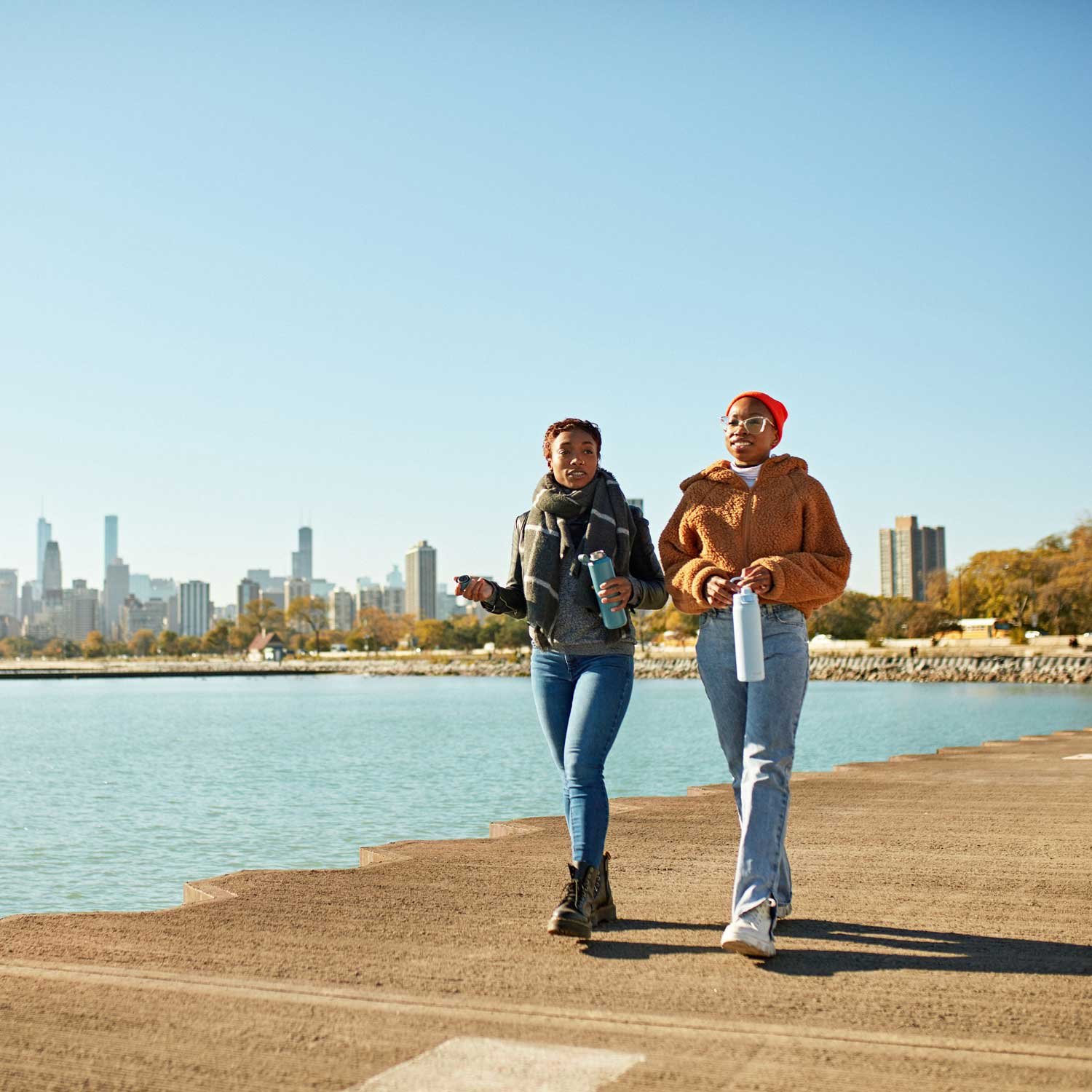
Walking: The Most Accessible Way to Stay Active Outdoors
Walking is one of the simplest and most effective ways to stay active outdoors. It requires no special gear, adapts to nearly any fitness level, and can be done almost anywhere.
A short neighborhood walk, a longer park loop, or an unhurried urban wander all count. Walking supports cardiovascular health, joint mobility, and mental clarity—especially when you allow yourself to notice your surroundings rather than rushing through them.
Hiking for Variety and Engagement
Hiking adds variety by introducing uneven terrain, elevation changes, and changing scenery. Even easy trails engage different muscles and invite a steadier, more intentional pace.
You don’t need remote wilderness for hiking to be meaningful. Local trails, foothills, and open spaces can offer the same sense of rhythm and reset that makes outdoor movement feel refreshing.
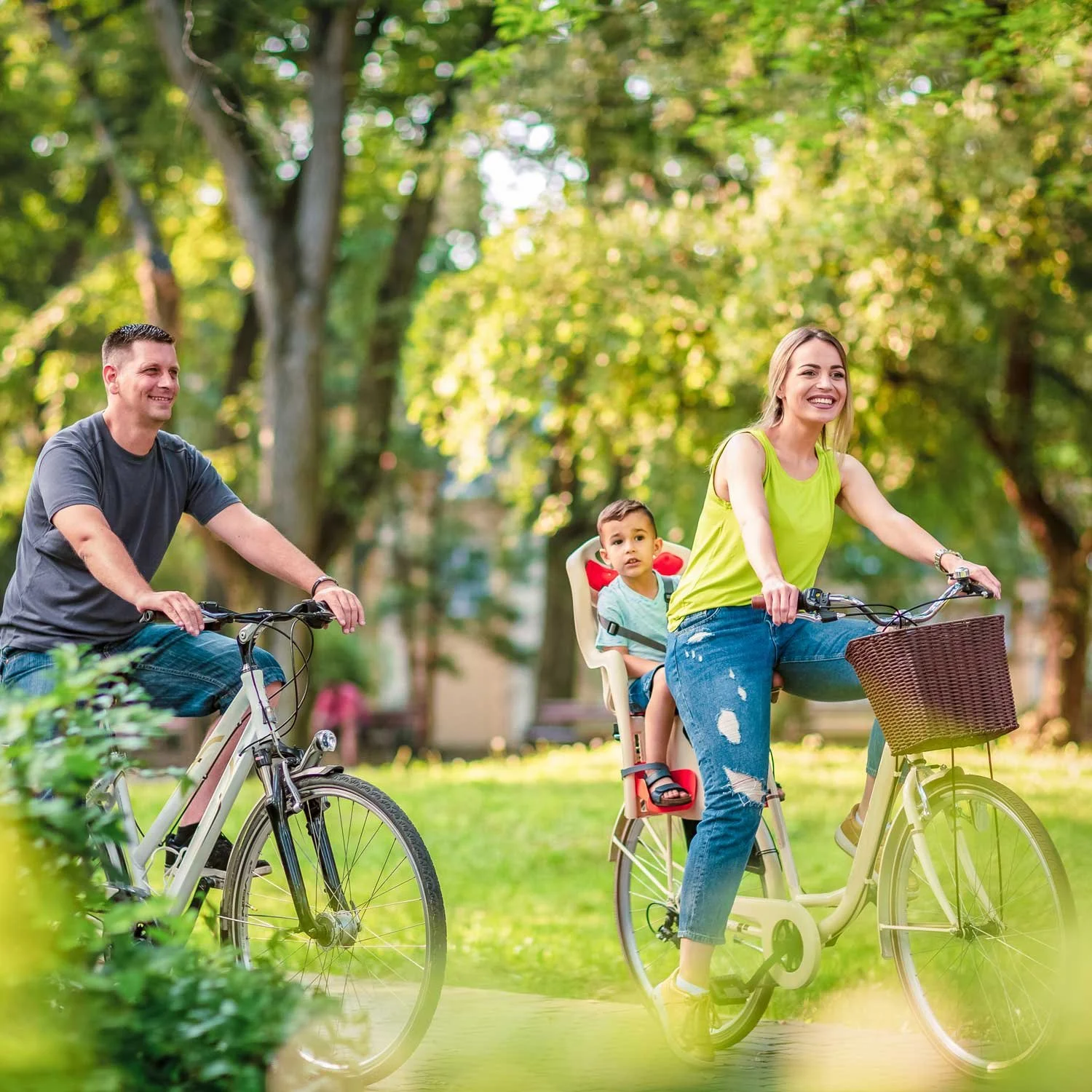
Cycling for Low-Impact Movement
Cycling is a low-impact way to stay active outdoors while covering more ground. It works well for short outings or longer, exploratory rides and can be adapted to roads, paths, or gravel routes.
The steady motion of cycling creates momentum without requiring intensity, making it a sustainable option for staying active over time.
Simple Strength and Movement Outside
Outdoor activity isn’t limited to cardio. Bodyweight movement done outside can support strength and mobility without feeling rigid or demanding.
Short sessions of squats, lunges, step-ups, or light stretching in fresh air can be highly valuable, especially when done consistently.
Everyday Outdoor Tasks That Keep You Moving
Gardening, yard work, and outdoor projects are often overlooked ways to stay active outdoors. Digging, lifting, carrying, and walking all contribute to functional movement.
These activities also create a sense of purpose, reinforcing that staying active doesn’t always need to look like exercise.
Water-Based Activities for Full-Body Movement
When access and ability allows, water-based activities like swimming, kayaking, or paddleboarding offer a refreshing way to stay active outdoors. Swimming in particular provides full-body movement while being gentle on joints.
Water changes how movement feels. The resistance, rhythm, and sensory experience can help make activity feel restorative.
Micro-Adventures Close to Home
Staying active outdoors doesn’t require big trips or dramatic destinations. Some of the most sustainable movement comes from small, local adventures woven into everyday life.
A micro-adventure might be choosing a longer route home, walking a neighborhood you’ve never explored, visiting a nearby park, or heading outside with no plan beyond seeing where your feet take you. These moments add novelty without adding complexity.
By reframing ordinary outings as exploration, movement becomes something you’re drawn to—not something you have to schedule.
A List of 25 Outdoor Activities to Stay Active
Walking
Hiking
Urban hiking or city walking routes
Cycling
Trail running or light jogging
Gardening
Yard work or outdoor chores
Outdoor yoga or stretching
Bodyweight strength exercises
Swimming
Kayaking
Paddleboarding
Frisbee or casual catch
Playing with your kids outdoors
Walking a dog
Nature photography walks
Birdwatching while walking
Snowshoeing
Cross-country skiing
Skating (ice or roller, weather permitting)
Beach walking or shoreline exploring
Rucking (walking with light weight)
Going for a walk while you talk on the phone
Exploring local parks or greenbelts
Intentional wandering without a destination
Make Outdoor Activity Sustainable
The key to staying active outdoors isn’t doing everything—it’s choosing activities that feel inviting enough to repeat. Some days might involve longer efforts, while others are as simple as stepping outside and moving gently.
When outdoor activity feels flexible rather than forced, it becomes part of your lifestyle instead of another task to manage.
Why Small Steps Outside Matter
Staying active outdoors isn’t about maximizing effort or chasing constant progress. It’s about building a relationship with movement that you can return to—day after day, season after season.
Small moments outside matter. A short walk, a few minutes of fresh air, or a spontaneous detour can shift your mood, reset your focus, and gently support your physical health. Over time, these small choices add up, creating consistency without pressure.
When outdoor activity is simple and adaptable, it becomes easier to sustain. And when it’s sustainable, it naturally becomes part of how you live—not something you have to think about or force.