
An Introduction to Urban Hiking

Finding Adventure in the Everyday
Urban hiking is exactly what it sounds like—hiking in a city or town environment. But at its core, urban hiking is less about where you go and more about how you move through the places you already inhabit.
Instead of seeing sidewalks, streets, and neighborhoods as space to pass through, urban hiking treats them as terrain worth noticing. It borrows the spirit of hiking—steady movement, curiosity, and awareness—and brings it into everyday life. No trailhead required.
Urban hiking doesn’t replace traditional hiking. It fills the space between those outings and makes movement feel possible on ordinary days.
What Is Urban Hiking?
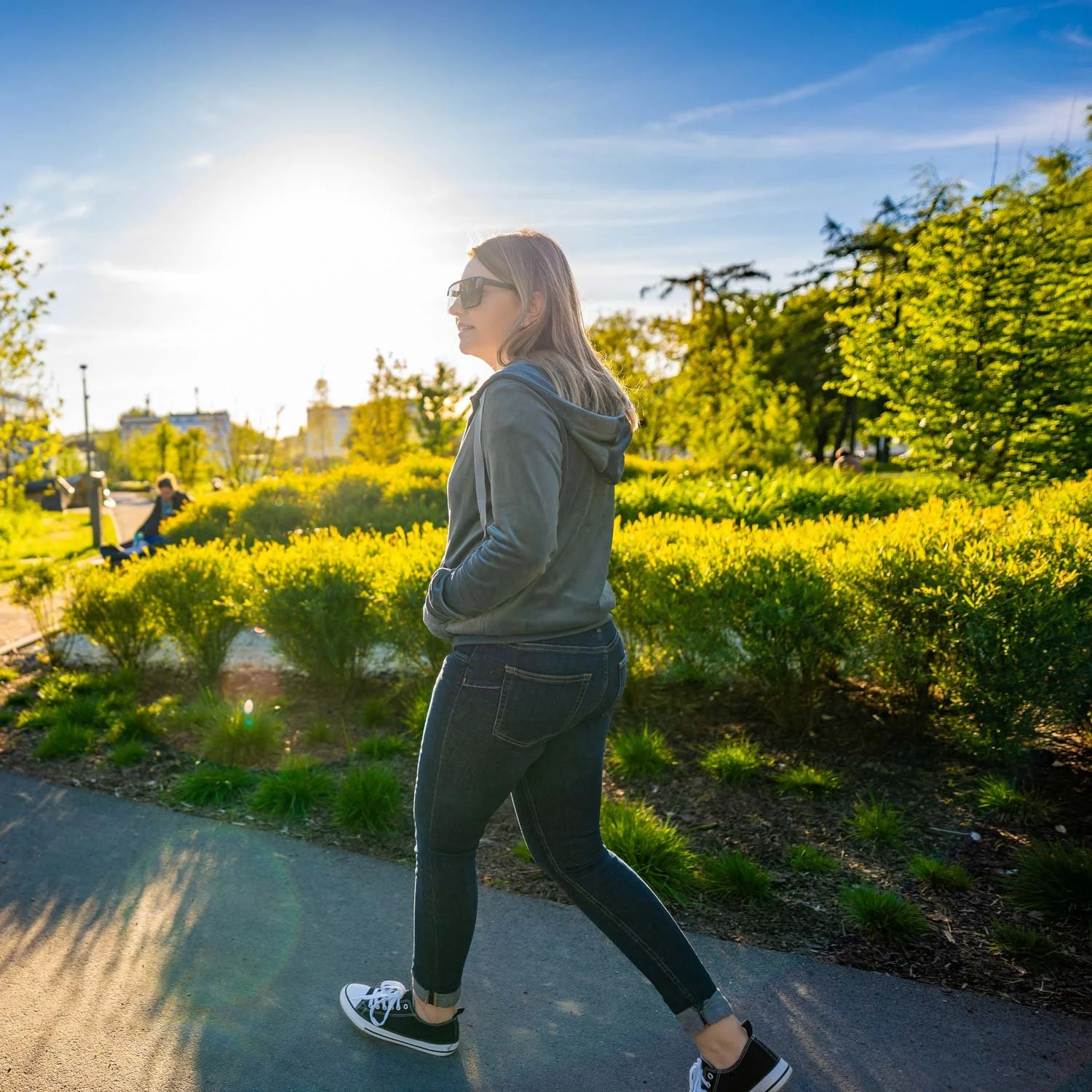
Urban hiking is intentional walking through city and town environments. It takes the core ideas of hiking—steady movement, awareness, and curiosity—and applies them to the places where many people already spend their days.
Instead of trails and trailheads, urban hiking moves through sidewalks, staircases, parks, greenways, and neighborhood streets. The setting changes block by block, blending buildings, people, and small pockets of nature. What stays consistent is the approach: moving with purpose rather than rushing from one place to another.
Most simply urban hiking is the practice of walking with attention—choosing presence over efficiency and allowing familiar surroundings to feel a little less ordinary.
Why People Choose Urban Hiking
Urban hiking works because it fits into real life.
Many people are drawn to hiking for how it clears the mind and grounds the body, but can’t always make time for long drives, careful planning, or full-day outings. Urban hiking keeps the essence of hiking while removing many of the barriers.
It also offers a different kind of satisfaction. Cities reveal layers when experienced on foot. Familiar routes feel less transactional and more lived-in. Over time, urban hiking turns routine environments into places of quiet familiarity and discovery.
When Nature Isn’t Nearby—and When It Is
Not everyone has easy access to forests, mountains, or trail systems. For many people, getting to a traditional hiking environment requires time, transportation, and flexibility that aren’t always available. Urban hiking offers a meaningful alternative—not as a substitute, but as its own complete experience.
Rather than framing the city as a compromise, urban hiking treats it as legitimate terrain. Sidewalks, parks, and neighborhood routes become places where movement still matters and presence still works.
And even for those who live close to trails or wild spaces, urban hiking holds value. It fills the gaps between other outdoor outings, keeps movement consistent, and removes the pressure to always plan something bigger. Access may change the context, but it doesn’t diminish the role urban hiking can play.
Rethinking What “Counts” as Hiking
Urban hiking challenges the idea that outdoor experiences need to look impressive to be worthwhile.
Some urban hikes are exploratory and energizing. Others are repetitive, quiet, or short. All of them count. The value comes from showing up consistently and choosing movement with intention, even when time or motivation is limited.
Urban hiking reframes success as participation rather than performance.

Some Types of Urban Hiking
Urban hiking isn’t a single style of movement. It adapts to different environments, intentions, and energy levels. The setting stays urban, but the experience can shift depending on how you approach it.
Neighborhood wandering
This is the most open-ended form of urban hiking. Routes are loose or undefined, and the goal is simply to explore. Turning down unfamiliar streets, noticing architectural details, or letting curiosity guide direction are central to this style. Neighborhood wandering often feels reflective and low-pressure, making it a natural way to reconnect with familiar surroundings.
Greenway linking
This approach links together parks, rivers, canals, rail trails, and greenways using sidewalks or shared paths. These routes often feel more immersive, with longer uninterrupted stretches of movement. Greenway hiking works well for sustained outings and can blur the line between urban and traditional hiking.
Stairs and elevation routes
Some cities offer unexpected vertical challenges. Staircases, steep streets, overpasses, and terraced neighborhoods add physical texture without leaving town. These routes can be short but demanding, or combined into longer efforts that emphasize rhythm and effort over scenery.
Errand hiking
This style integrates movement into daily life. Walking to a coffee shop, grocery store, or meeting becomes the route itself. By choosing less direct paths or linking multiple stops, everyday tasks turn into intentional hikes without requiring additional planning.
Loop and landmark routes
Some urban hikes are built around structure. Loops that begin and end at the same point, or routes that connect specific landmarks, provide a clear sense of progression and completion. These routes often appeal to those who enjoy finishing something defined while still remaining flexible along the way.
Each type of urban hiking offers a different balance of exploration, effort, and familiarity. Over time, many people move fluidly between styles, choosing the one that fits the day rather than forcing a single approach.
When Urban Hiking Shines Most
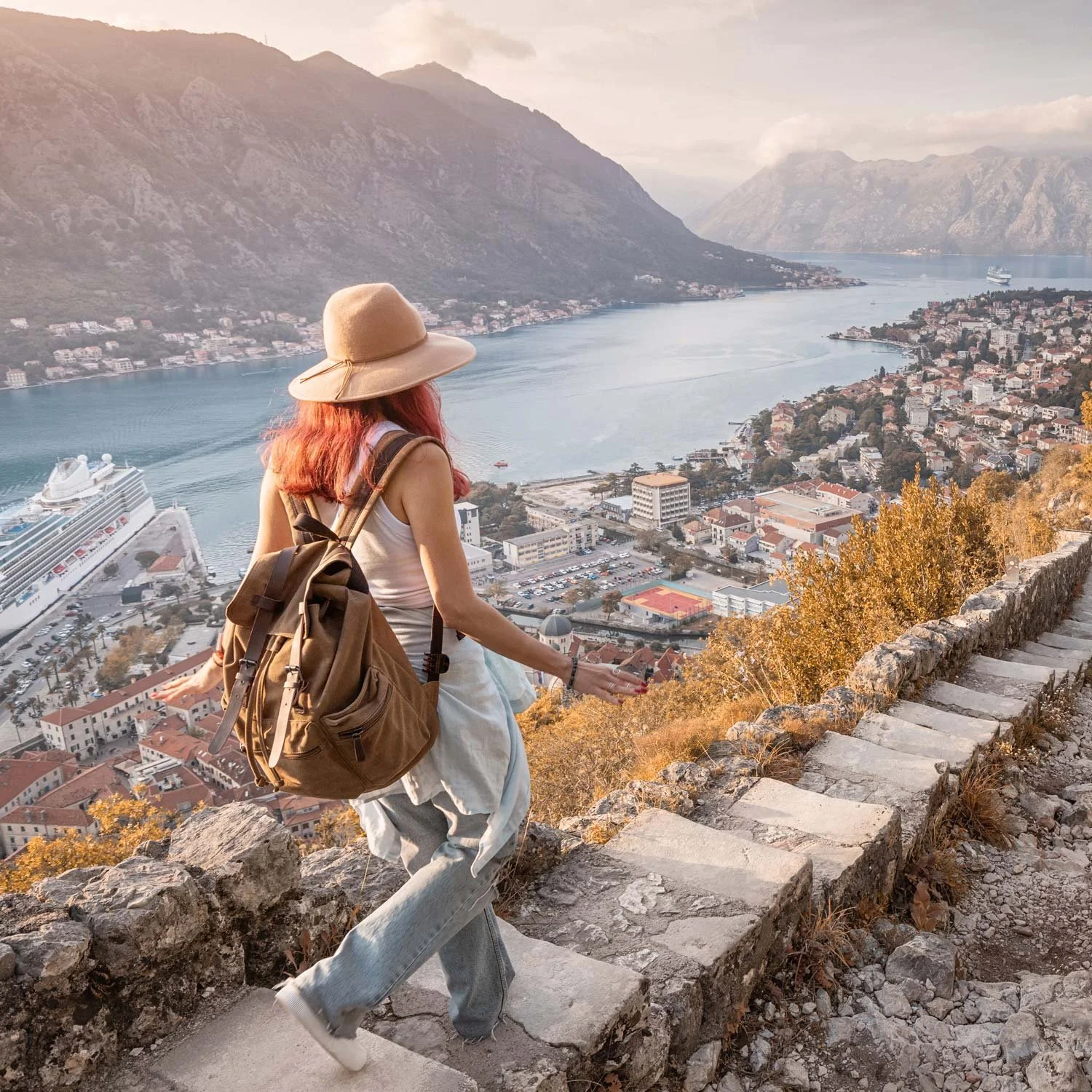
Urban hiking offers the same sense of completion and momentum as any hike—the satisfaction of covering ground, following a route, and finishing something you set out to do. What differs is the environment. Streets, neighborhoods, stairways, and parks become the backdrop instead of forests or mountains.
Urban hiking works especially well:
Completing a route without needing remote terrain
Exploring an urban environment with curiosity rather than urgency
Staying grounded through periods of change or transition
Orienting yourself in unfamiliar places by moving through them on foot
Filling the space between larger outdoor trips without losing momentum
Settling into the rhythm of steady, sustained movement
Maintaining intention and effort while remaining adaptable
Some urban hikes are casual and wandering. Others are long, demanding, and purposeful. Both can carry a sense of achievement. The distinction isn’t only how hard the hike is—it’s where it unfolds.
Urban hiking doesn’t reduce the value of effort. It reframes the setting in which that effort happens.
What Makes a Good Urban Hiking Route?
Urban hiking routes don’t need to be rigid, but a little forethought can make them more enjoyable—especially when time is limited or you’re exploring somewhere new.
A good urban hiking route balances structure with openness. Planning a general loop or direction can help you relax into the walk, knowing you’ll end up back where you started. At the same time, the best routes leave room for adjustment. A wrong turn, an extra block, or an unexpected park can easily become part of the experience.
Variety matters more than distance. Routes that move through different neighborhoods, textures, and environments tend to feel more engaging. Shifts between busy streets and quiet residential areas, stretches of greenery, small elevation changes, or staircases all add interest without requiring you to leave the city.
Good urban hiking routes also respect the rhythm of the day. Time of day, foot traffic, and light can change how a route feels. A street that’s hectic at noon might be calm in the early morning. Planning with those rhythms in mind can turn an ordinary walk into something more restorative.
Most importantly, a good route supports your intention. Some days that means exploration. Other days it means simplicity or predictability. Urban hiking routes work best when they serve the experience you’re looking for, not the other way around.
Common Misconceptions About Urban Hiking
Urban hiking is often misunderstood, largely because it doesn’t fit neatly into traditional definitions of hiking or exercise. These assumptions can keep people from seeing its value—or from trying it at all.
One common misconception is that urban hiking doesn’t “count” unless it takes place in nature. This view assumes that the benefits of hiking are tied exclusively to scenery. In reality, many of the most meaningful aspects of hiking—steady movement, attention, completion, and mental reset—are shaped by how you move, not only where you go.
Another assumption is that urban hiking is simply walking with a new label. While the movement may look similar, the intention changes the experience. Urban hiking involves choosing a route, staying present, and engaging with the environment rather than moving through it on autopilot. That shift, while subtle, can make the outing feel more purposeful.
Some people also assume urban hiking is easier or less legitimate than trail hiking. Urban hikes can be casual and short, but they can also be long, demanding, and physically engaging. Effort isn’t removed—it’s simply expressed in a different setting.
There’s also the idea that urban hiking is only useful when access to nature is limited. While it can be an important alternative, urban hiking stands on its own even for those who regularly hike trails. It fills gaps, supports consistency, and offers a different kind of relationship with movement and place.
Urban hiking doesn’t replace traditional hiking. It expands the definition of what hiking can be, making it more accessible without diminishing its depth.
What You Need for Urban Hiking
Urban hiking is intentionally uncomplicated, but a few thoughtful choices can make the experience more comfortable and sustainable—especially as conditions change.
Comfortable shoes are the foundation. They should support steady walking over varied surfaces like pavement, stairs, and mixed terrain. If you can walk for a while without thinking about your feet, you’re in good shape.
Similar to what you’d wear for any hike, layering your clothes is a smart idea. Cities create their own microclimates—shade between buildings, wind along open streets, warmth in sheltered areas. Being able to add or remove a layer helps you stay comfortable as conditions shift. A light outer layer or mid-layer that’s easy to carry often makes a bigger difference than heavier, single-purpose clothing.
Dressing for movement rather than appearance helps as well. Fabrics that breathe and allow freedom of motion tend to feel better over the course of a longer urban hike. Comfort supports presence.
Water and snacks are useful, especially on longer routes or warmer days.
A phone can help with navigation or orientation, though part of the appeal is learning to move without constant reference.
Urban hiking works best when preparation removes friction instead of adding it. The goal is to make it easy to step outside and keep going, whatever the city throws your way.
The Mental and Emotional Benefits of Urban Hiking
Urban hiking offers more than physical movement. It creates a steady, accessible way to reset mentally and emotionally—without requiring escape or isolation.
Moving through familiar places at a walking pace changes how they’re experienced. Streets that usually feel functional begin to feel personal. Patterns emerge. Details stand out. This shift in attention often brings a sense of grounding, even in busy environments.
Urban hiking can also quiet mental noise without forcing stillness. The rhythm of walking provides structure, while the changing surroundings offer gentle stimulation. Thoughts have room to move and settle naturally, rather than being pushed aside or amplified.
There’s also value in the balance urban hiking strikes between effort and ease. Completing a route, covering distance, and following through on a plan creates a sense of progress. At the same time, if you’re covering familiar terrain the setting reduces pressure. You’re not navigating the unknown—you’re deepening your relationship with what’s already around you.
Urban hiking doesn’t demand a particular mood or outcome. It simply provides a steady, reliable way to step out of autopilot and return a little more centered than when you left.
Making Urban Hiking Sustainable
Urban hiking lasts when it stays flexible. When it fits naturally into your life rather than competing with it. Sustainability here isn’t about frequency or discipline—it’s about creating an experience you’re willing to return to.
One of the strengths of urban hiking is its flexibility. Routes can change. Effort can adjust. Some days call for exploration and variety, while others benefit from repetition and familiarity. Both are valid, and both support consistency in different ways.
Sustainability also comes from releasing rigid expectations. Not every urban hike needs to feel energizing or productive. Some outings are about completion, others about observation, and some simply about moving and coming back home. Allowing the purpose to shift keeps the practice from becoming stale or demanding.
Urban hiking supports long-term movement by reducing friction. There’s no need to wait for ideal conditions, perfect motivation, or a specific outcome. When movement is accessible, it becomes easier to maintain—especially through changing seasons and circumstances.
Over time, urban hiking becomes less about deciding to go and more about knowing that you can. That quiet reliability is what makes it sustainable.
Urban Hiking as Everyday Adventure
Urban hiking reframes adventure as something closer and more attainable than we often assume. It doesn’t replace traditional hiking or time in wild places—it fills the spaces between them.
By choosing to move with intention in ordinary environments, urban hiking reminds us that meaningful experiences don’t always require going somewhere else. Sometimes they begin the moment you step outside and decide to pay attention.