
Hiking With Dogs
What to Know Before You Go
Hiking with dogs can turn an ordinary walk into a shared adventure. It’s movement, exploration, and time outside—experienced together. But hiking with dogs also comes with a few extra considerations that can make the difference between a great day on the trail and one that feels stressful or unsafe.
This guide walks through what to consider before heading out and offers a few ways to keep hikes enjoyable for both of you. Whether you’re new to hiking or just new to bringing your dog along.
Is Your Dog Ready for the Trail?
Not every dog enjoys hiking, and that’s okay. Before planning longer routes, pay attention to your dog’s temperament and physical ability.
Some dogs thrive on long stretches of movement and new smells. Others are happier with shorter outings or familiar terrain. Age, breed, energy level, and overall health all play a role. Puppies and senior dogs often do best on shorter, gentler hikes, while some dogs may struggle more in warm or exposed conditions.
If you’re unsure what’s appropriate, it’s always a good idea to check with your vet before starting new hiking routines.
When you do begin, start small and let your dog show you what they’re comfortable with. Watch how they move and behave as the hike unfolds. Slowing down, stopping often, or lingering in the shade are usually subtle signs that it’s time for a break.
Check in occasionally and be willing to adjust your plans. Turning around early or shortening a hike doesn’t mean it went poorly—it means you were paying attention.
Planning a Hike With Your Dog
Hiking requires planning. When hiking with dogs, planning matters more than usual. The trail you choose affects your dog as much as it affects you.
As part of how to plan a hiking trip, look for:
Dog-friendly trails (some parks restrict dogs entirely)
Clear leash rules
Access to shade and water
Trail length and elevation that match your dog’s ability
What to Bring When Hiking With Dogs
Hiking with dogs adds a few practical considerations, but it doesn’t need to become complicated. Think of it as a small extension of what you already bring.
Water, a leash, and waste bags are the basics. Beyond that, many people like to carry a few treats for breaks, a collapsible bowl, or a small towel for muddy paws. On longer outings, food for both you and your dog helps keep energy steady.
What Clothes to Wear for Hiking When You Have a Dog
Figuring out what clothes to wear for hiking often becomes more practical when a dog is involved. You’re more likely to kneel down, brush past plants, sit on rocks, or stop in shaded spots.
Comfort and durability matter more than anything else. Flexible layers, fabrics that handle dirt well, and shoes you trust all contribute to a smoother experience. Because hiking with dogs usually includes more stops and starts, layers that are easy to add or remove help you stay comfortable without thinking about it.
You’ll want to wear clothes that let you focus on the trail instead of what you’re wearing.
On-Trail Etiquette and Awareness
Hiking with dogs means sharing the trail—not just with other hikers, but with wildlife, families, runners, and other dogs. A little awareness goes a long way in keeping the experience positive for everyone involved.
Even well-behaved dogs can be unpredictable in new environments. Narrow trails, blind corners, and crowded viewpoints are good moments to slow down and keep your dog close. Giving others space when passing helps set a relaxed tone and avoids unnecessary tension.
Leash rules exist for a reason, and following them helps protect access for dogs overall. Even on trails where dogs are allowed off-leash, having a leash ready makes transitions smoother when conditions change. Wildlife, steep drop-offs, or a sudden increase in foot traffic can shift the situation quickly.
It also helps to watch how your dog is interacting with the environment. Digging, chasing scents, or wandering off-trail can unintentionally damage sensitive areas. Staying on established paths and keeping your dog nearby helps preserve the trail so it remains open and enjoyable for future hikes.
Finally, trail etiquette includes being mindful of pace and stopping spots. Step aside when taking breaks so others can pass easily. Clean up after your dog and pack waste out, even if the trail feels quiet or remote.
Good etiquette doesn’t require constant vigilance—it’s simply about staying aware, adjusting when needed, and remembering that hiking with dogs works best when everyone feels considered.
Hiking With Dogs for Beginners
If you’re new to hiking, bringing a dog along can actually make it easier to start. That is because hiking with dogs reframes success. A hike doesn’t need to be long or impressive to be worthwhile. Showing up, moving a little, and enjoying the time outside is enough. That mindset makes consistency feel achievable instead of daunting.
In terms of practical guidance, many ideas from 10 Hiking Tips for Beginners apply directly when hiking with dogs. Keep expectations simple. Choose approachable trails that don’t require complex planning. Pay attention to conditions and timing, and leave room to turn back early if the hike isn’t unfolding as expected.
Choosing Trails That Fit the Experience You Want
When hiking with dogs, some days may call for wide, social trails where you’ll see other hikers and dogs. Other days feel better on quieter routes where the focus is simply moving and being outside.
As part of planing your hiking trip, it helps to think about the kind of experience you want to share. Loop trails often work well because they remove pressure to reach a specific turnaround point. Trails with natural features—meadows, overlooks, streams—may pair well with dogs because they naturally encourage pauses.
A good hiking guide can be especially helpful here, not just for distance and elevation, but for context: how busy a trail is, what the terrain feels like, and whether it lends itself to a slower, more exploratory pace.
Why Hiking With Dogs Feels Different
Dogs experience the outdoors fully. Every smell, sound, and shift in terrain matters. When you hike with a dog, that curiosity becomes contagious. You may stop more often—not because you planned to, but because the moment invites it.
Hiking with dogs turns a trail into a series of small moments rather than a single destination. A bend in the path, a patch of sunlight, a pause at a viewpoint—all become part of the experience. Familiar trails feel new again when you’re seeing them through that lens.
This shift alone can make hiking feel more accessible, especially if traditional hiking culture has ever felt intimidating or overly performance-driven.
Similarly, one of the understated benefits of hiking with dogs is how quickly distance stops being the main metric. Dogs don’t care about miles logged. They care about movement, novelty, and time together.
This mindset can be freeing. A short out-and-back can feel just as satisfying as a longer route when the focus is on being present. Over time, that approach often carries into other hikes too, making the outdoors feel more approachable and less goal-driven.
Hiking with dogs gives you permission to redefine what a “good” hike looks like.
The Social Side of Hiking With Dogs
Hiking with dogs has a way of opening quiet social doors. Conversations happen naturally on the trail. A shared love of dogs becomes an easy starting point, even among strangers.
For solo hikers, dogs can make time outside feel less solitary without requiring constant interaction. For families or groups, dogs often become the common thread that keeps everyone moving together at a shared pace.
In many ways, hiking with dogs softens the edges of the outdoors, making it feel more welcoming.
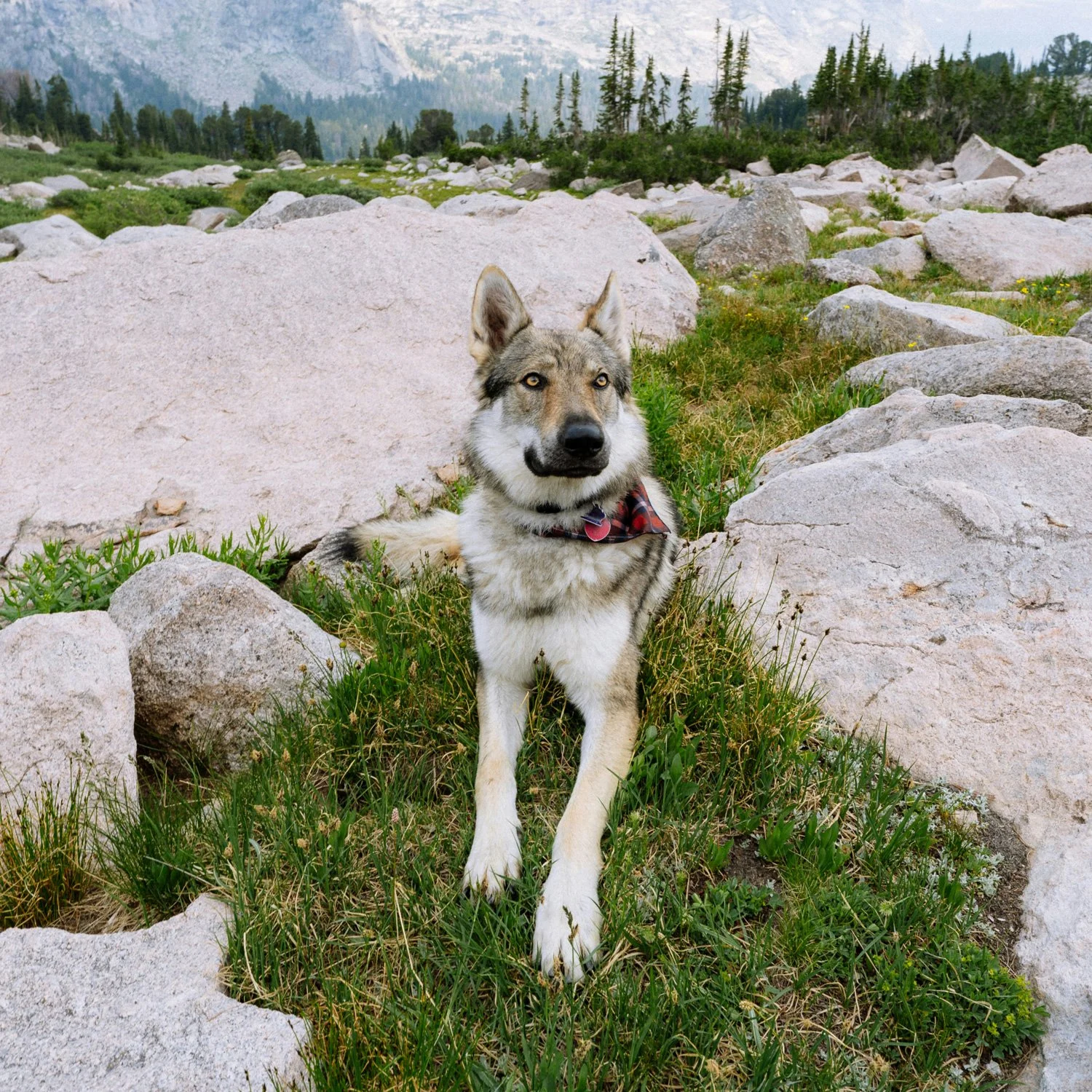
Turning Hiking Into a Routine, Not an Event
The best outdoor habits are the ones that fit naturally into your life. Dogs help with that. They create a reason to get outside even when motivation is low or schedules are full.
Hiking with dogs doesn’t have to be a big production. It can be a familiar loop after work, a weekend reset, or the same trail revisited in a different season. Over time, those small outings add up—not just in miles, but in comfort, familiarity, and confidence outdoors.
Hiking with dogs invites a simpler approach to being outside. Less urgency. Less optimization. More presence. You don’t need perfect conditions or ambitious plans. You just need a trail, some time, and a willingness to move together.